He hesitated to call himself a poet.
For who was he?
he asked,
to claim ownership of a title so famed?
A craft inhabited by many,
past and present,
so much more eloquent than he.
Those whose souls bled onto pages.
Whose wordplay and literary devices
ran circles
around anything he –
this untrained,
knowledge-bare novice –
had ever,
or could ever,
produce.
He’d never planned to write such words.
Never studied the craft –
beyond what was forced on him at school level.
Never taken pleasure
in reading sonnets and ballads,
haikus and limericks,
and all the other forms
of a genre reserved
(in his mind)
for the artsy and cultured…
those far beyond
his circle of interest and company.
But it came to him,
one day,
in the midst of solitude
and overwhelming emotions…
words bursting forth
to express everything inside…
Without effort.
Without thought.
Without plans
to ever share with another.
And as time passed,
and these compositions flowed
again and again and again,
he stepped out of his shell;
he sent those words out into the world –
albeit under a pen name –
for he was too inhibited
to ever let anyone know
who he really was.
And those words
which healed and helped him –
cathartic release whenever the pen moved –
sometimes found resonance with others.
And eventually,
he leapt forward
to fulfil a long-held dream
of producing a book.
And then another,
even though
the creative spirit inside
had been flailing
for years before,
as Life took its toll.
And now,
he sits in extended malaise –
conditions incongruent
with the base he once had;
the spaces –
inside and out –
which fed his creative appetite
in those glory days of old.
And as the days tick on,
and his remaining years grow ever shorter,
he wonders –
truly wonders –
if the poet inside
has died forever.
And if it has,
he can’t even muster memorable words
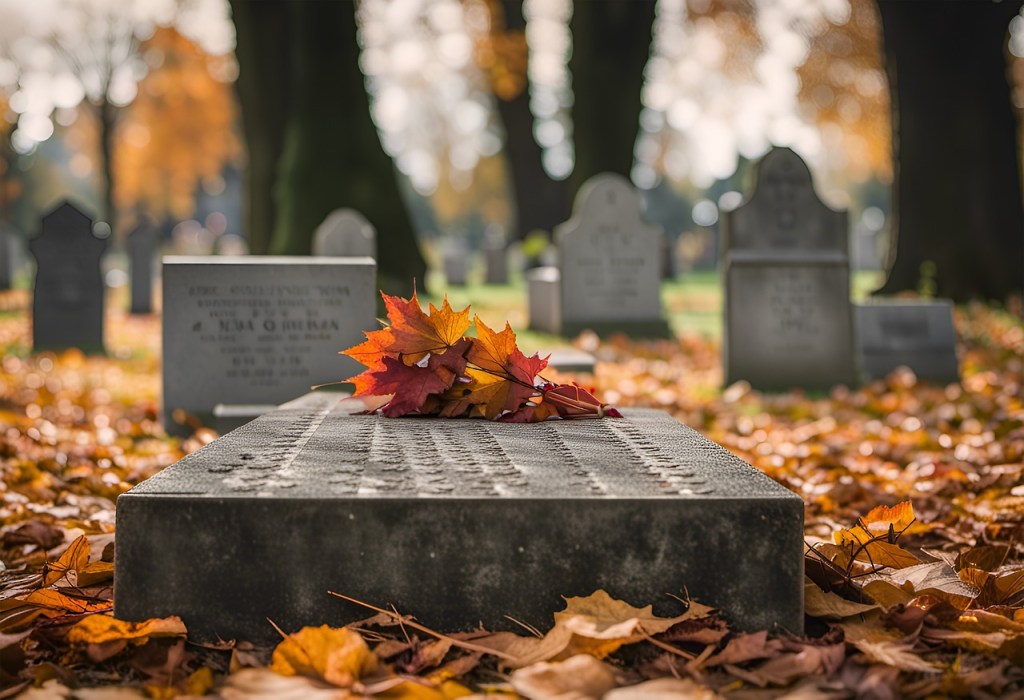
to place on his tombstone.
So he’ll have to settle:
“The words have dried up,
inspiration is gone.
Here lies a former (wannabe) poet,
may his spirit live on…”
 slip-sliding away.....
Not sure who the poet is in this fine poem (though I can guess). Whoever it is, sorry about the malaise, and I can relate to losing the writing muse. But the poet never dies — the words just go on sabbatical for awhile. The important thing is that they ever found their way out to begin with.
Good point, Vance. I think it’s just tunnel vision, and a lack of hope because I realise that some of the causes of this malaise are now permanent. Maybe, in time, I’ll adapt enough to accept the stresses as normal (and not be so disheartened by them), but that time – if it ever comes – seems a very faint and far-off light. Anyway…just keep swimming, right?
Not knowing the source of the malaise, I can only say that I hope the light at the end of the tunnel eventually finds you. And yes, all we can do is keep swimming forward. All the best.
Searing reflection, Yacoob. I would encourage this poet to slowly and meditatively read “The Creative Act” by Rick Rubin. ♥️
Thanks, Kitty. Would you believe that that very book has been sitting on my bedside pedestal for about a year? (on and off) I’ve got that, and The Artist’s Way, and just can’t bring myself to be consistent in working through either. I bought them because I knew they would be helpful at some point. Maybe when the time is right, they’ll make an impact.
The good thing about Rubin’s book is that he doesn’t prescribe exercises and Morning Pages, etc.; it’s not as “workbooky” as Cameron. Very small sections of text that, for me, are more like meditations to chew on for a day or two…and then, one day, you want to write again.
But do what calls you to your gifts. Sometimes, it’s important to be fallow and allow the ideas to grow in the dark unconscious, and other times it’s best to show up and see what happens. Peace and joy to your choices and process. What do you gain by not engaging?
The wind doesn’t blow all the time, this is a beautiful poem Yacoob and it certainly resonated with me, I’m sure it will resonate with many. That is all poetry is, a drum that is played to oneself which finds its rhythm with others.