Previous entries in this series:
After our brief but eventful stay in Cairo, we had a Monday morning 6 a.m. flight to Luxor for our 4-day Nile cruise. Given that we needed to be at the airport two hours before take-off, it was an insane schedule that saw us sleep only a few hours before having to wake up at 2 a.m. to be ready in time.
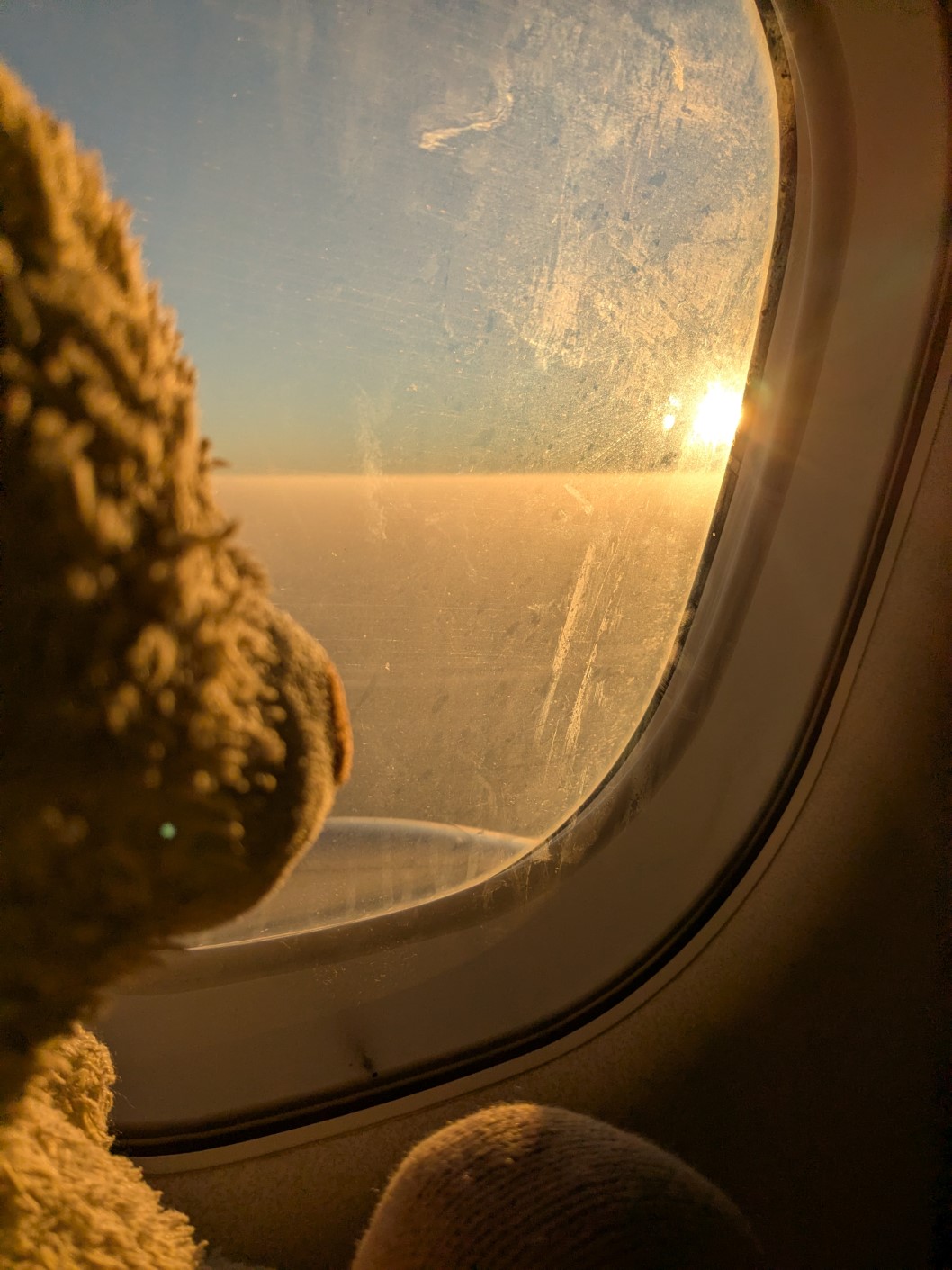
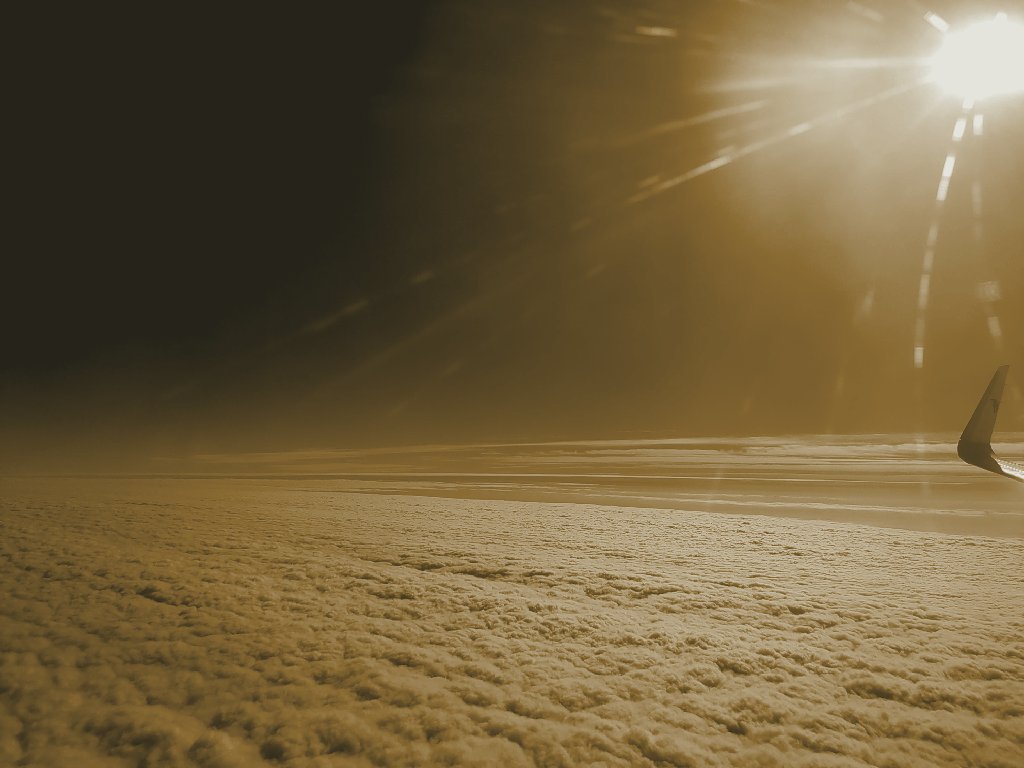
The flight was short, but memorable for the sunrise we saw as we flew.
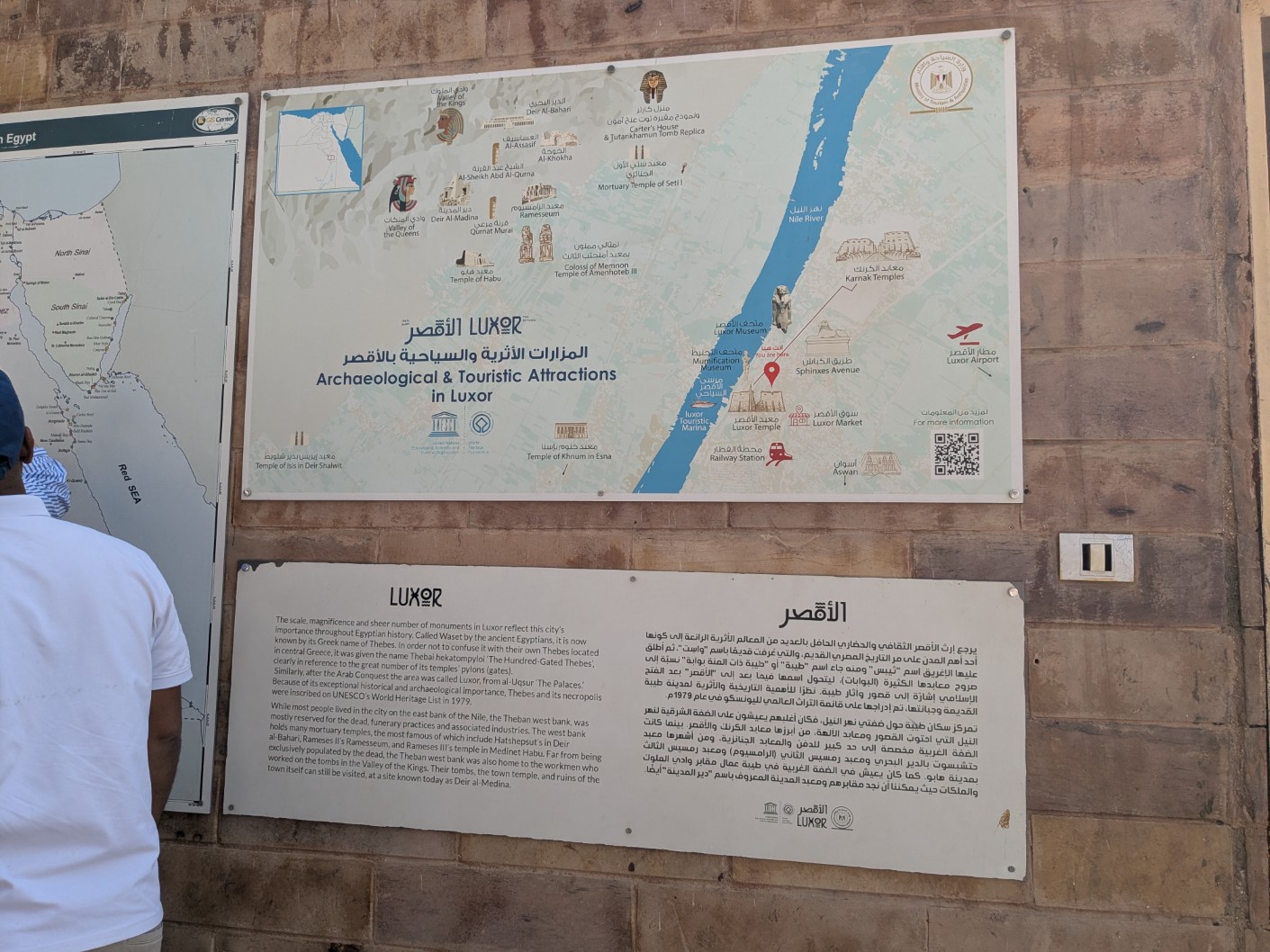
Once on the ground, we saw hot air balloons from a distance (an activity we declined the following day due to timing issues) before being collected by our tour operator and driving through a very lush Luxor, which sits next to the Nile river. The Nile is the lifeblood of Egypt, but unlike the congestion of Cairo (which sits next to the river further north), Luxor is far calmer and greener – reminding me of tropical environments like Mauritius and Durban.
Go! Go! Go!
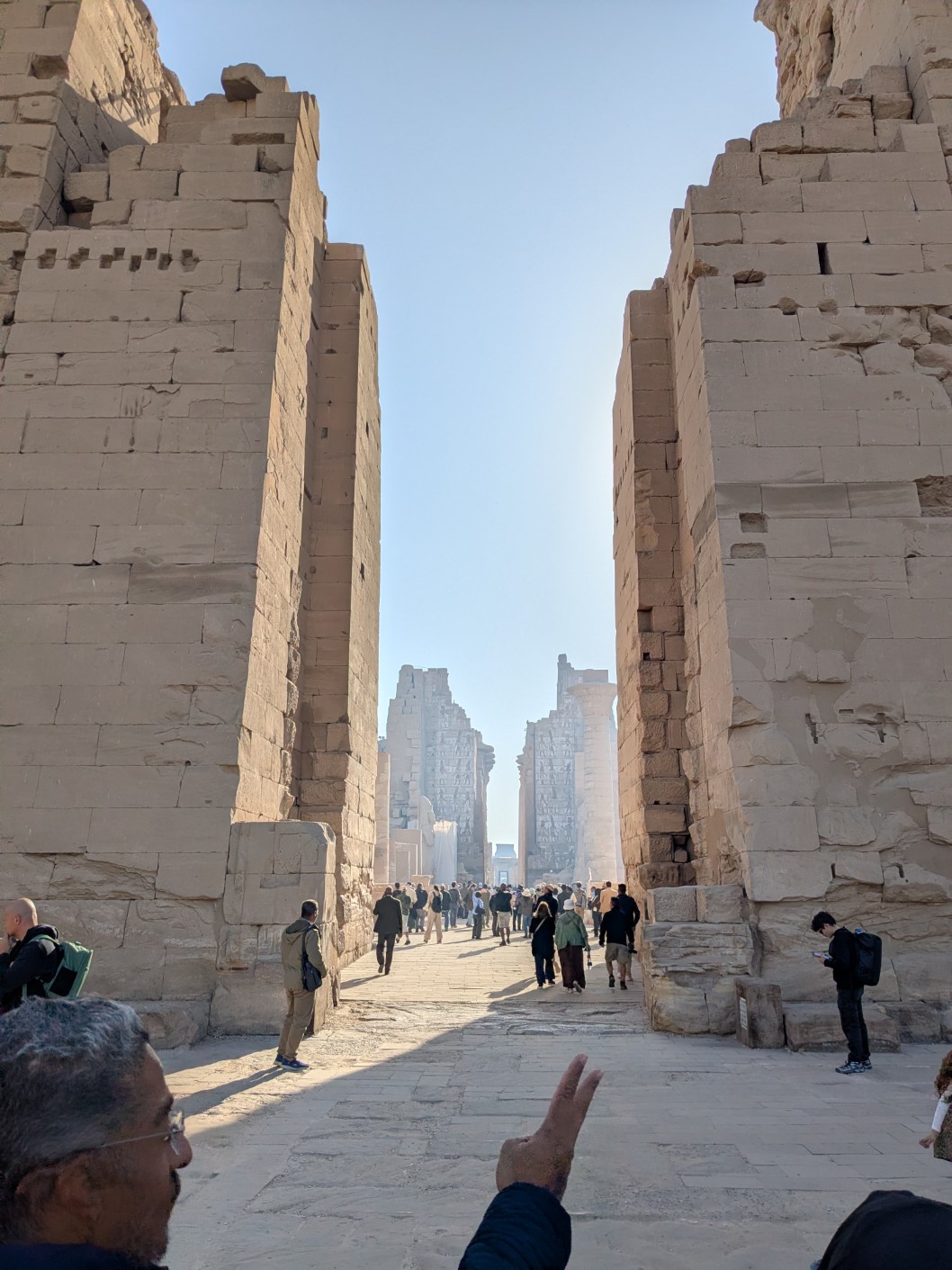
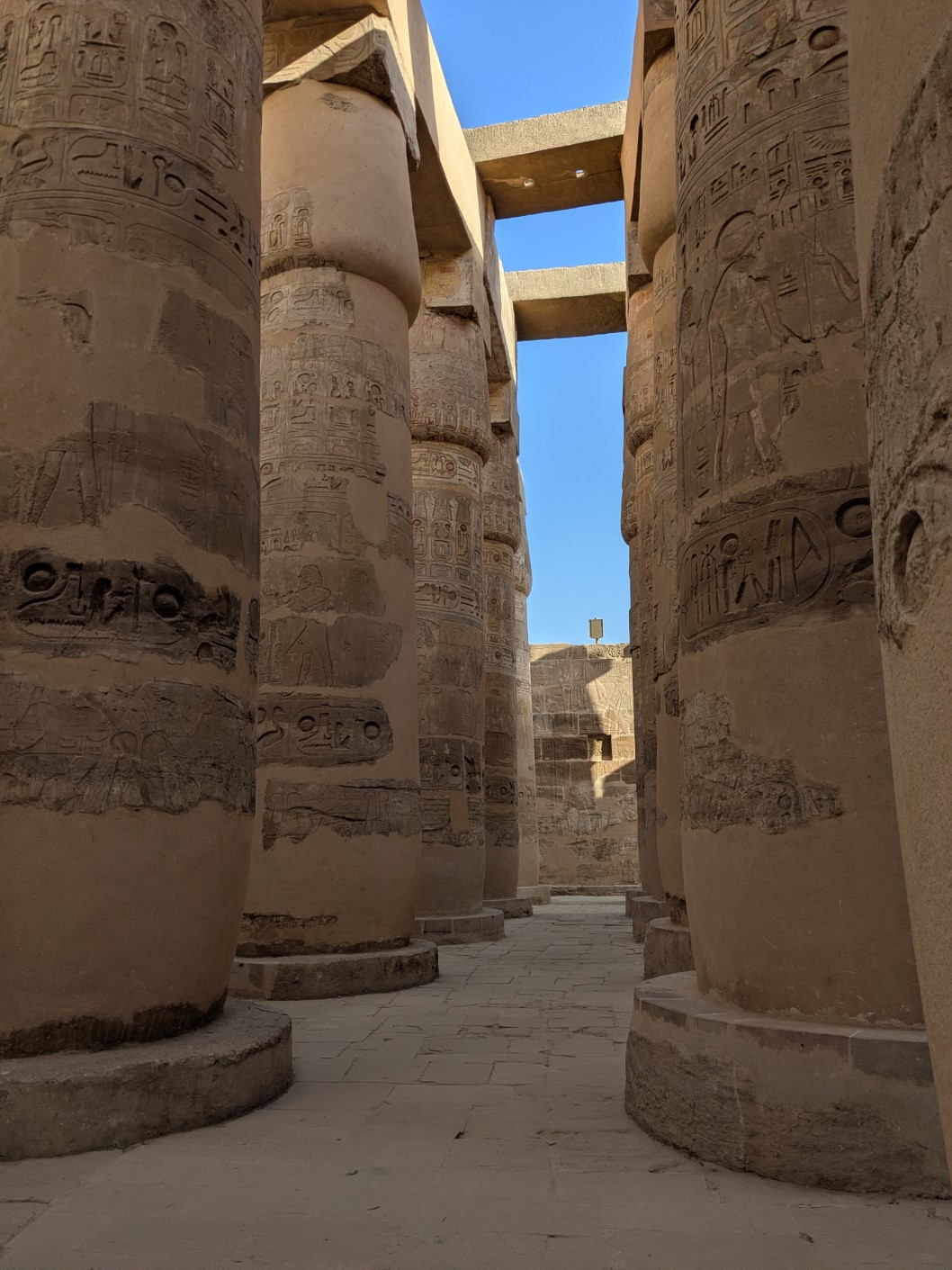
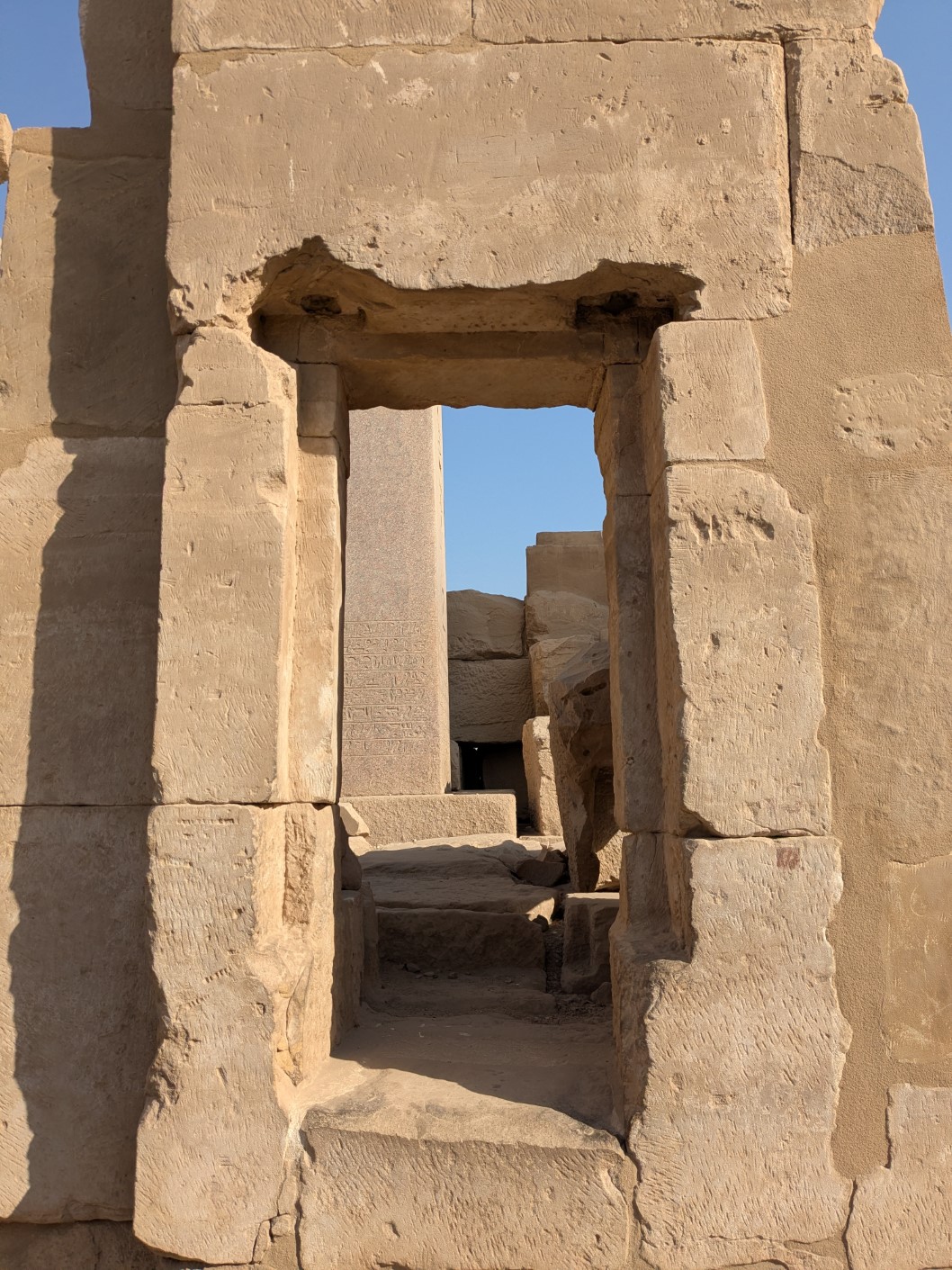
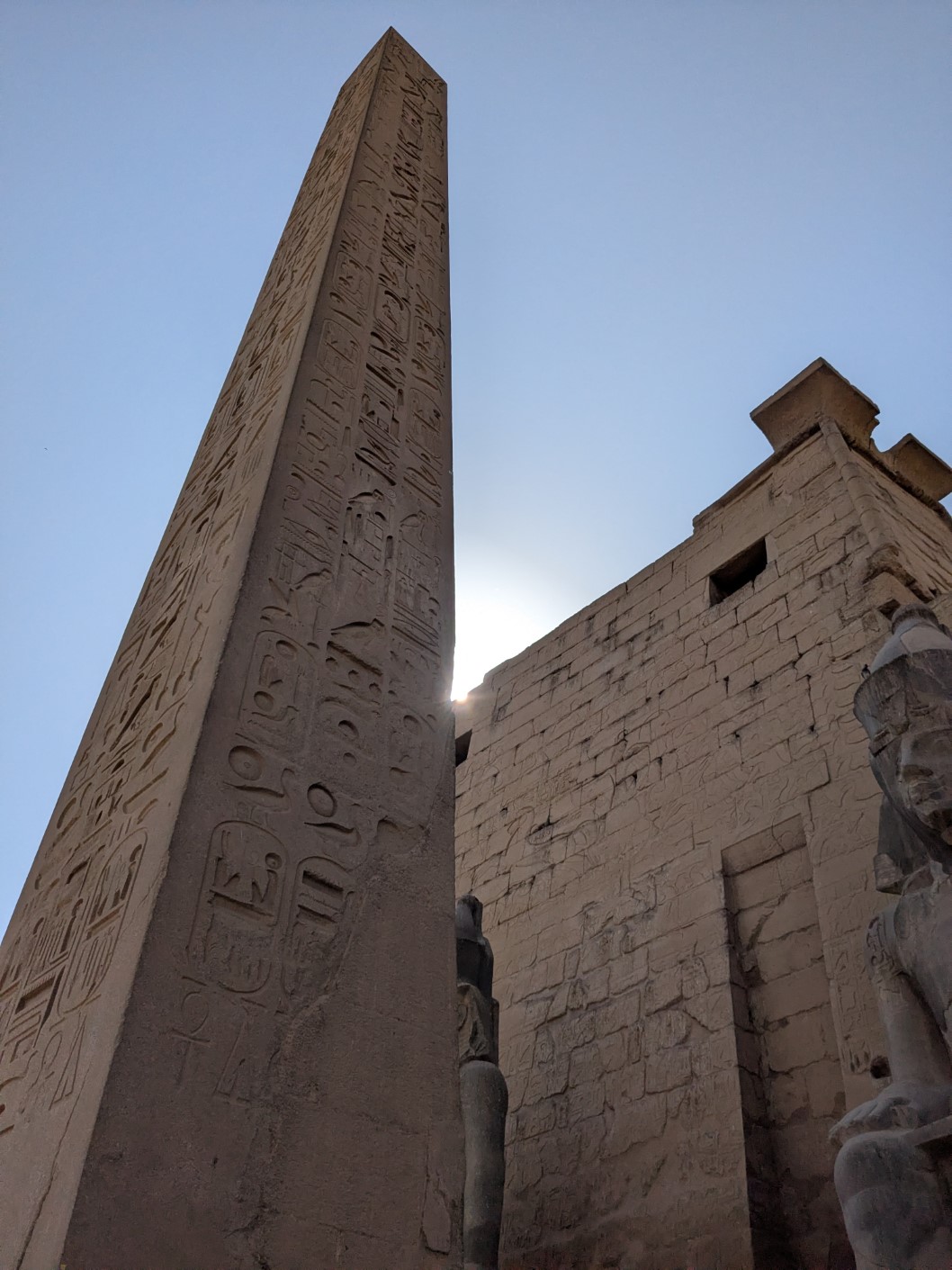
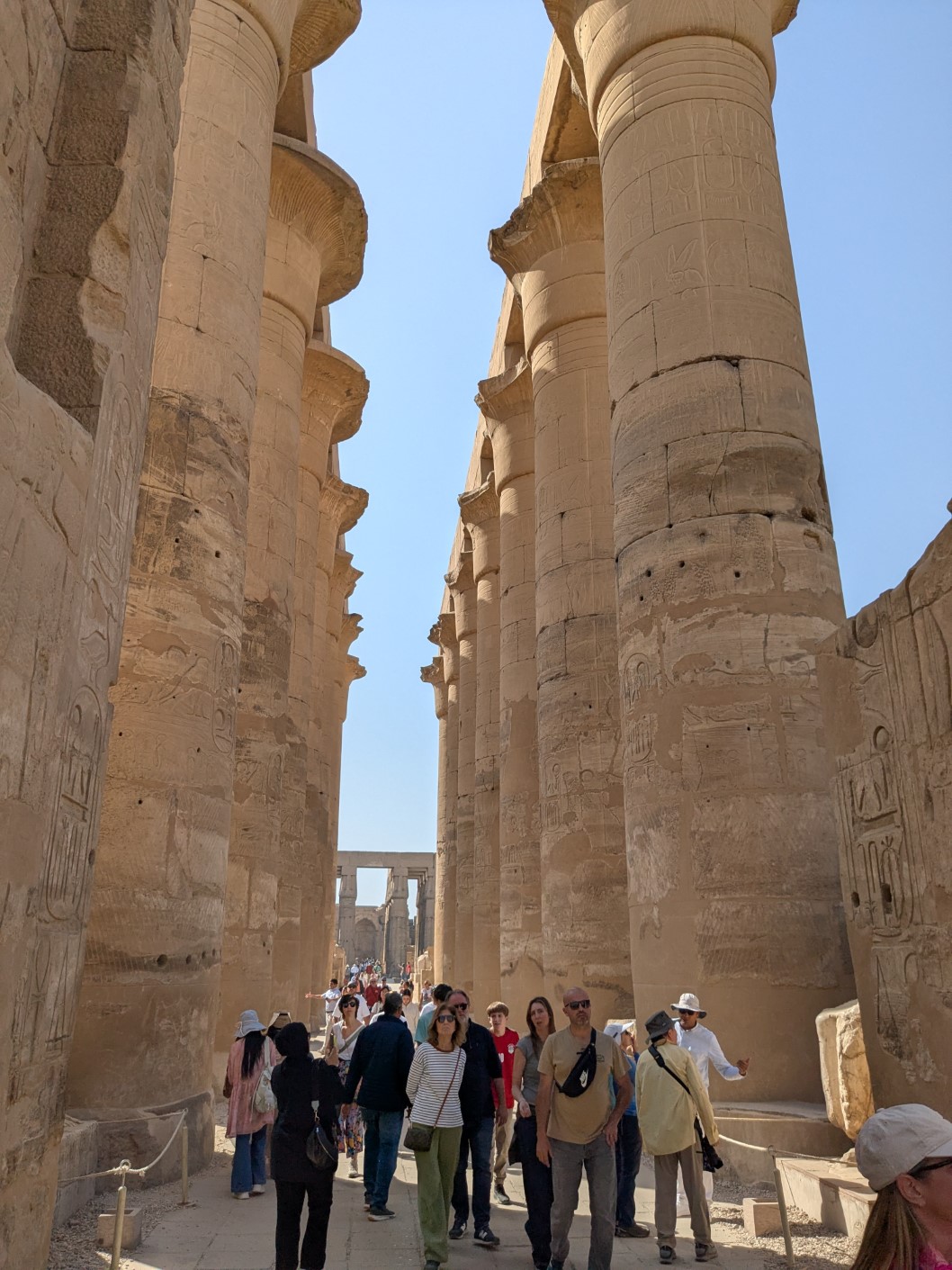
Our tour guide changed plans on us, so instead of resting and starting our tours after boarding the ship (which would only be at midday), he wanted to optimise our waiting time and rushed us straight into tours of Karnak and Luxor temples within the space of 3 hours. Needless to say, with so little sleep the night before, I couldn’t concentrate, so I felt zero guilt about almost falling asleep right in front of him (which he forgave, understanding the lack of sleep). It was made worse by the fact that the sites were so huge, with so much information, that he hurried us through point after point.
It wasn’t a good start, especially because he expected me to be an extrovert who would enthusiastically engage with him as we toured the sites. He would later learn my personality and back off, though his breakneck pace persisted over the coming days.
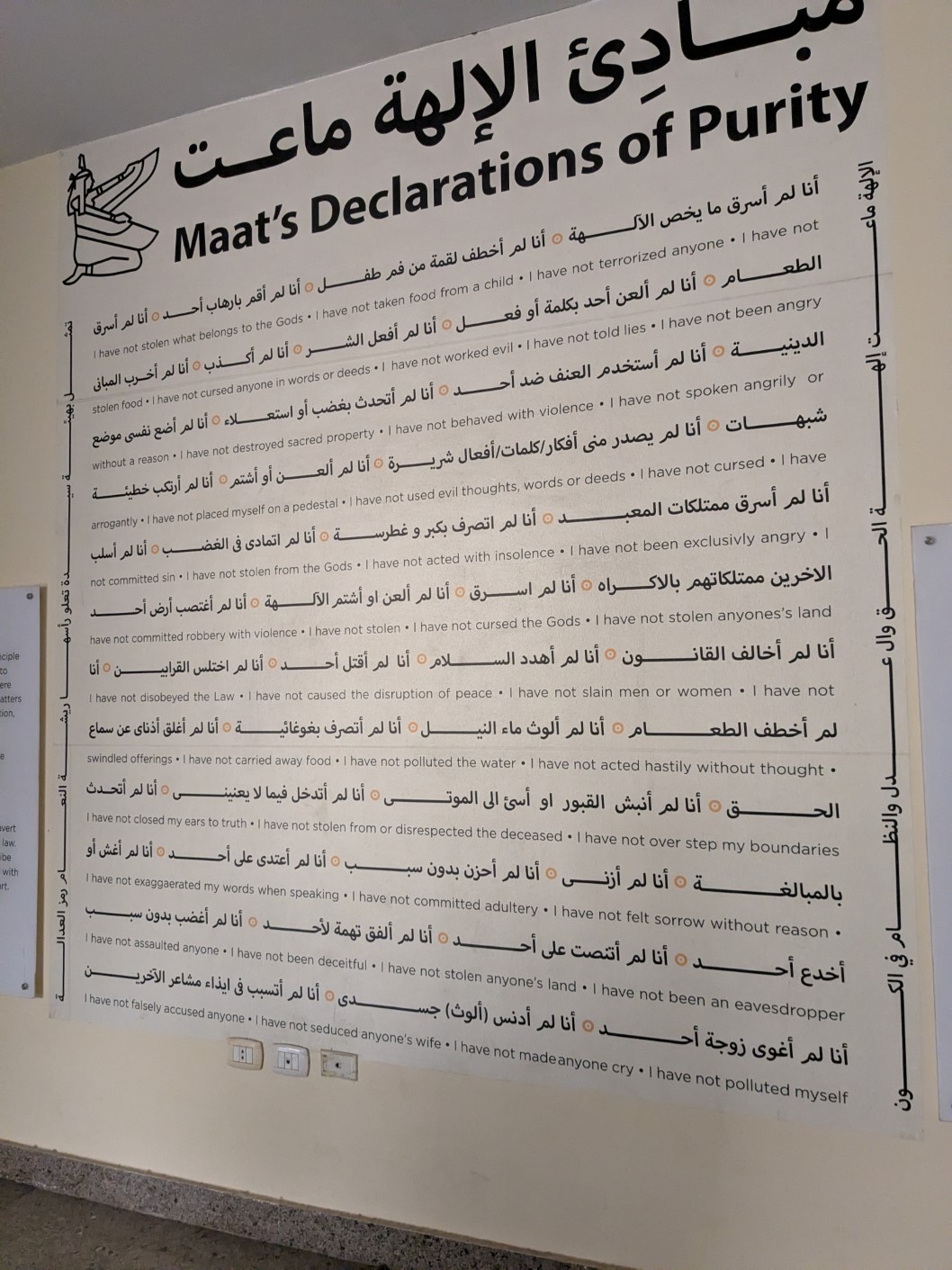
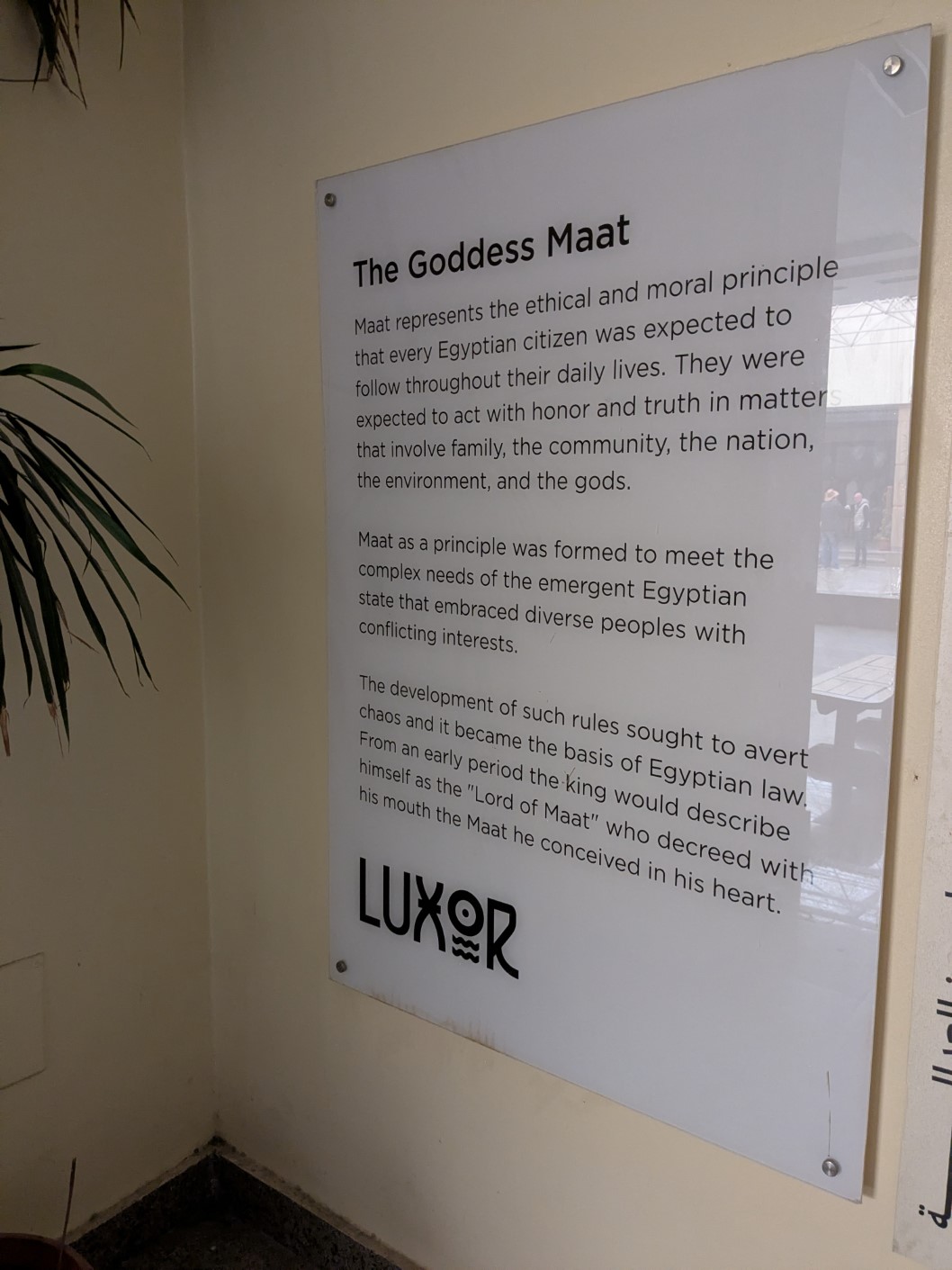
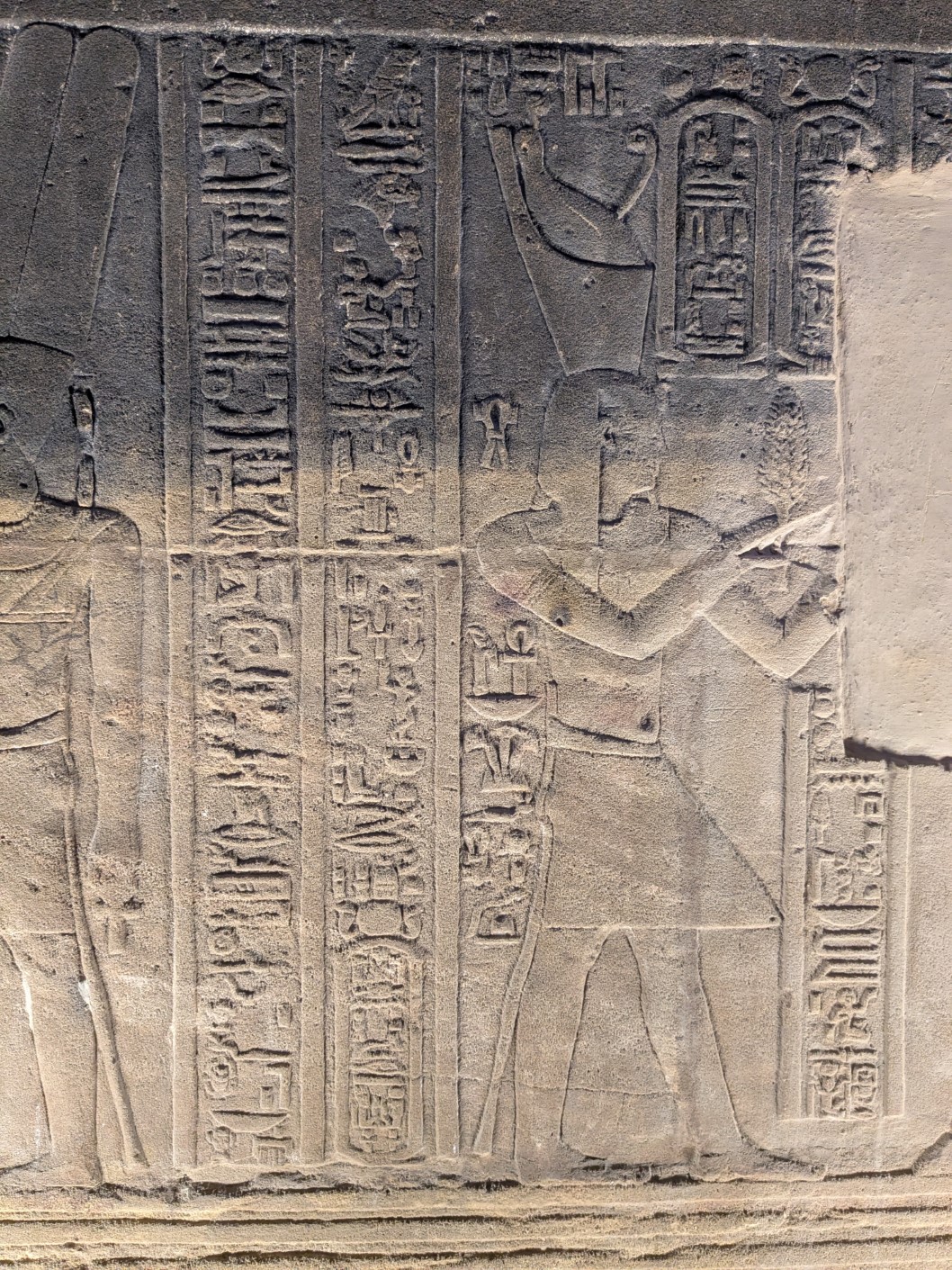
Having studied this field extensively in order to qualify, his focus was very much on the mythology and artwork of the temples, and his knowledge and passion was impressive. It was all fascinating to my eldest daughter, but the rest of us eventually grew bored by it, given that the sites and stories sounded similar after a while.
I remember feeling the same way on my first visit back in 1997, so nothing much had changed in three decades. And it’s not a judgement on the actual sites or information, because these were amazing places with incredible histories. It’s more a matter of personal interest. I just wasn’t into these topics, so to be exposed to the same thing over and over became tedious. But this trip wasn’t about me. It was primarily for my eldest daughter, and for her, it was definitely worth it. From my side, I simply tried to focus on the fact that we were visiting ruins of once-mighty structures, and I tried to imagine the workers who constructed these buildings and made this artwork which I got to see and touch thousands of years later.
Commerce on the water
After the tours, we boarded the ship, and after lunch, finally got a chance to rest before we later started sailing. The sailing itself was incredible – moving along the water, seeing the passing towns and nature.
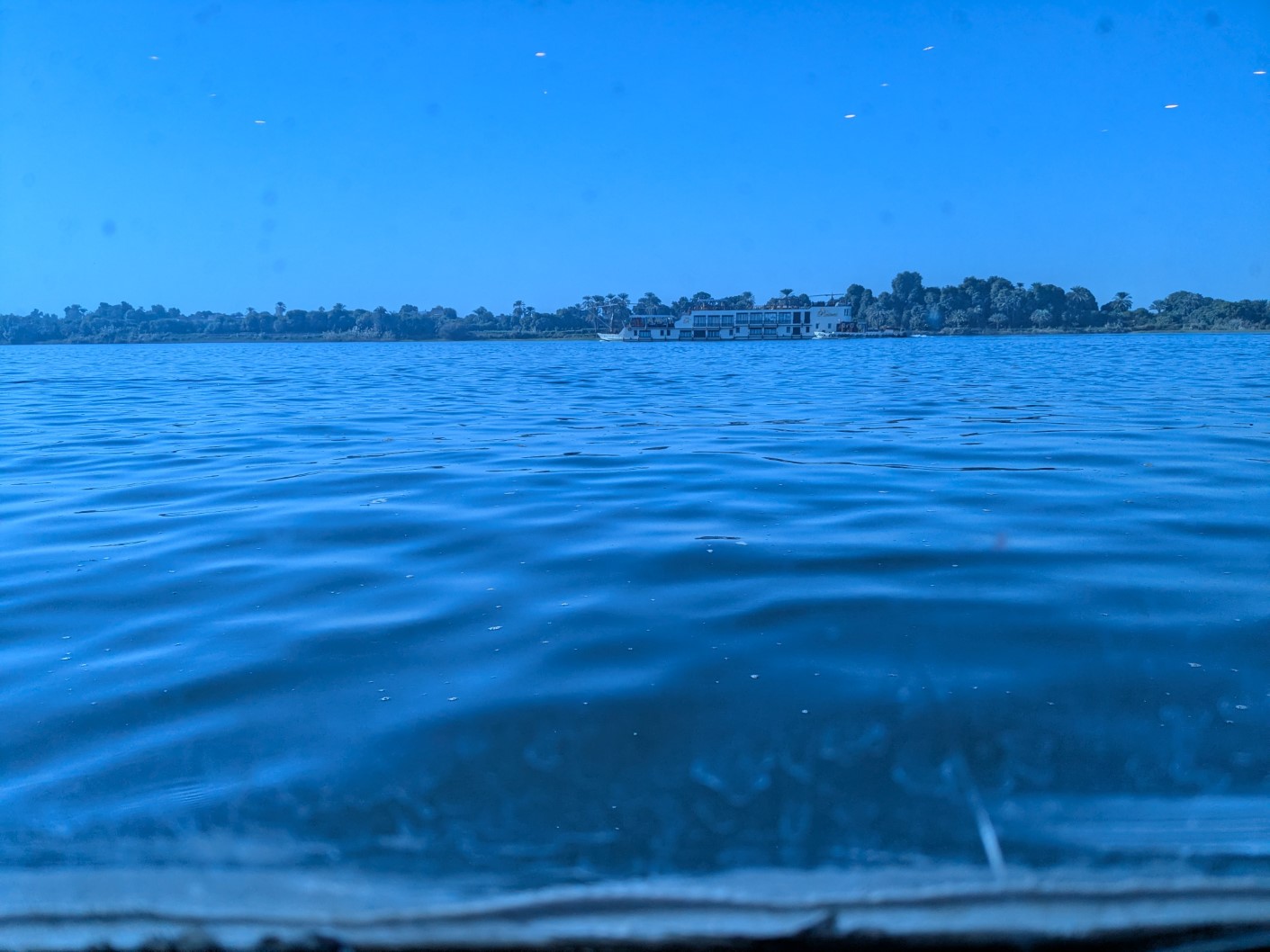
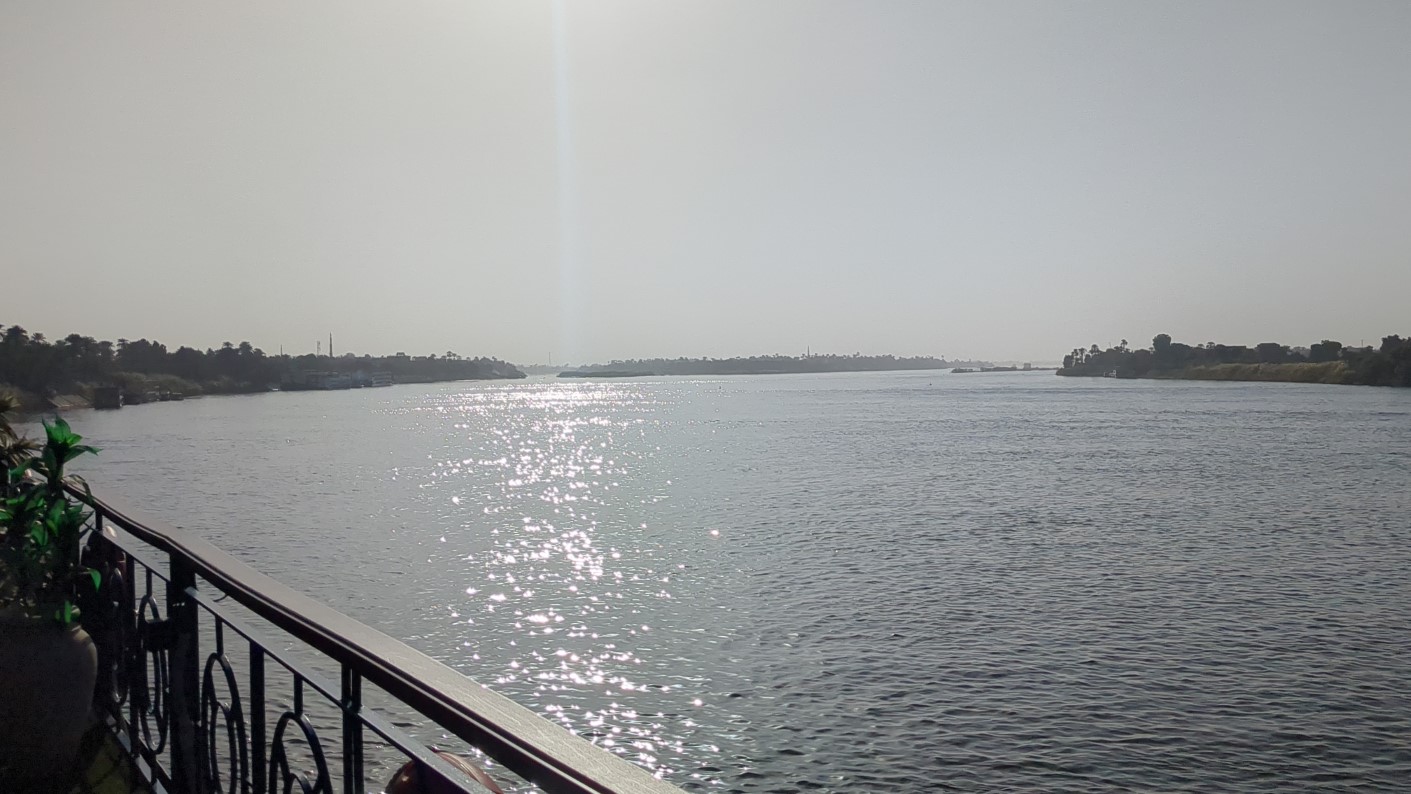
Our joy was cut short, though, when we heard the crude shouts of “Ola! Ola! Ola! Hellloooo?! Hellooo?!” from outside.
This was to be our first encounter with Nile River vendors – a name given to lively merchants who hook onto cruise ships and try to sell their goods to tourists (see a video here). It was all quite astonishing, albeit annoying, as it felt like we couldn’t even escape the harassment of sellers even on the water. This continued well into the night, but thankfully, didn’t occur again as we moved further south in subsequent days.
Down in the valley (of the kings)
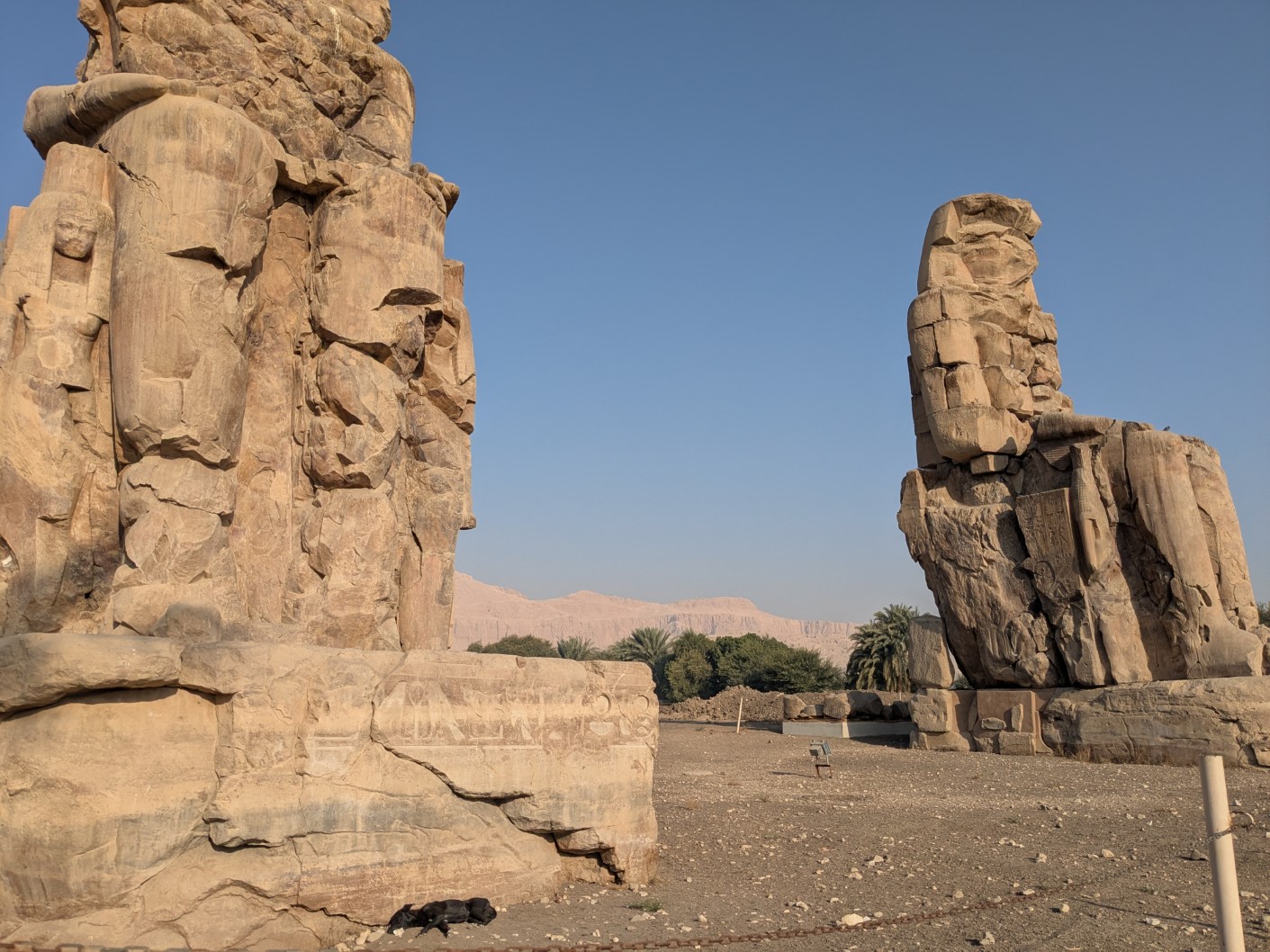
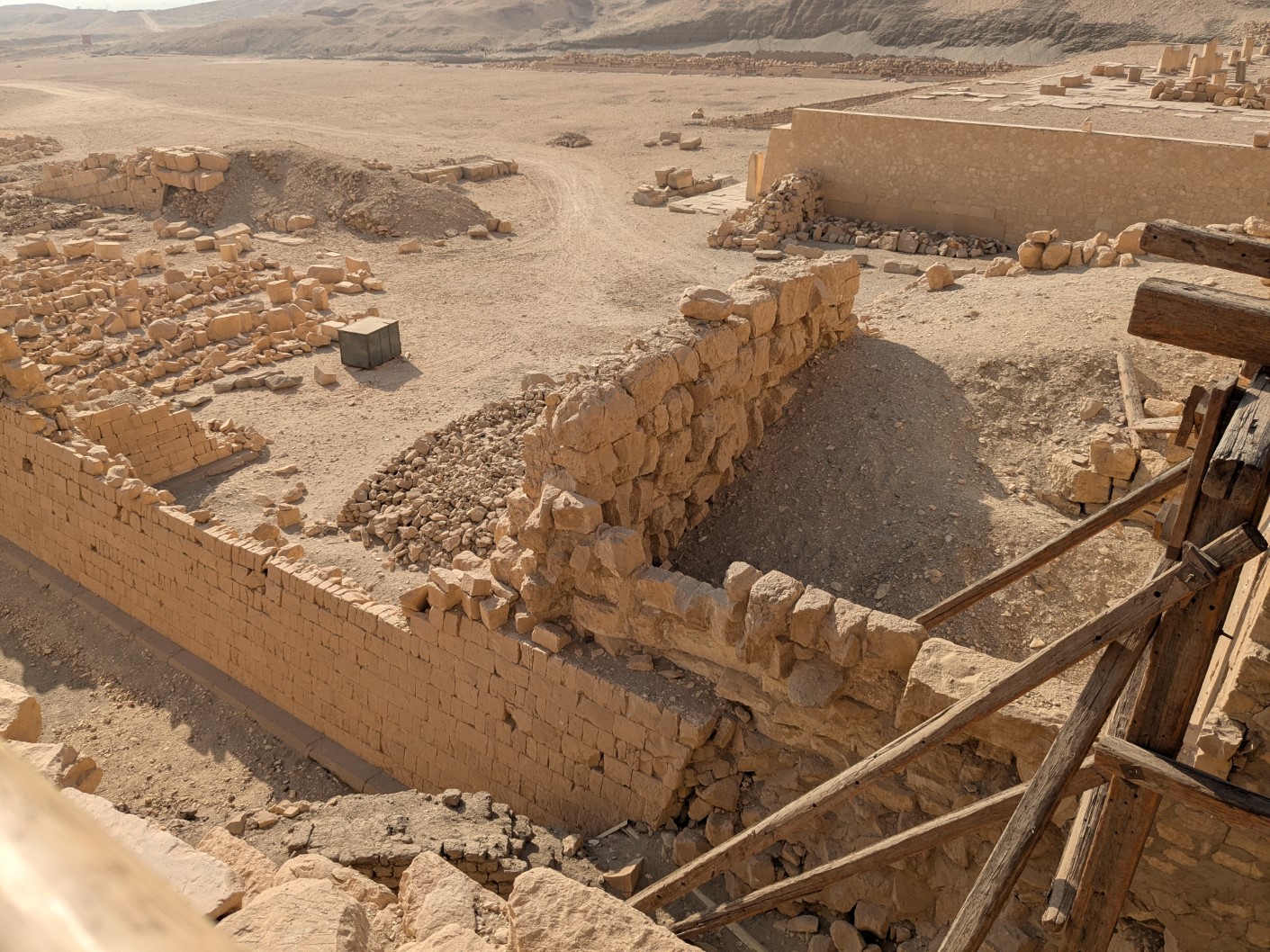
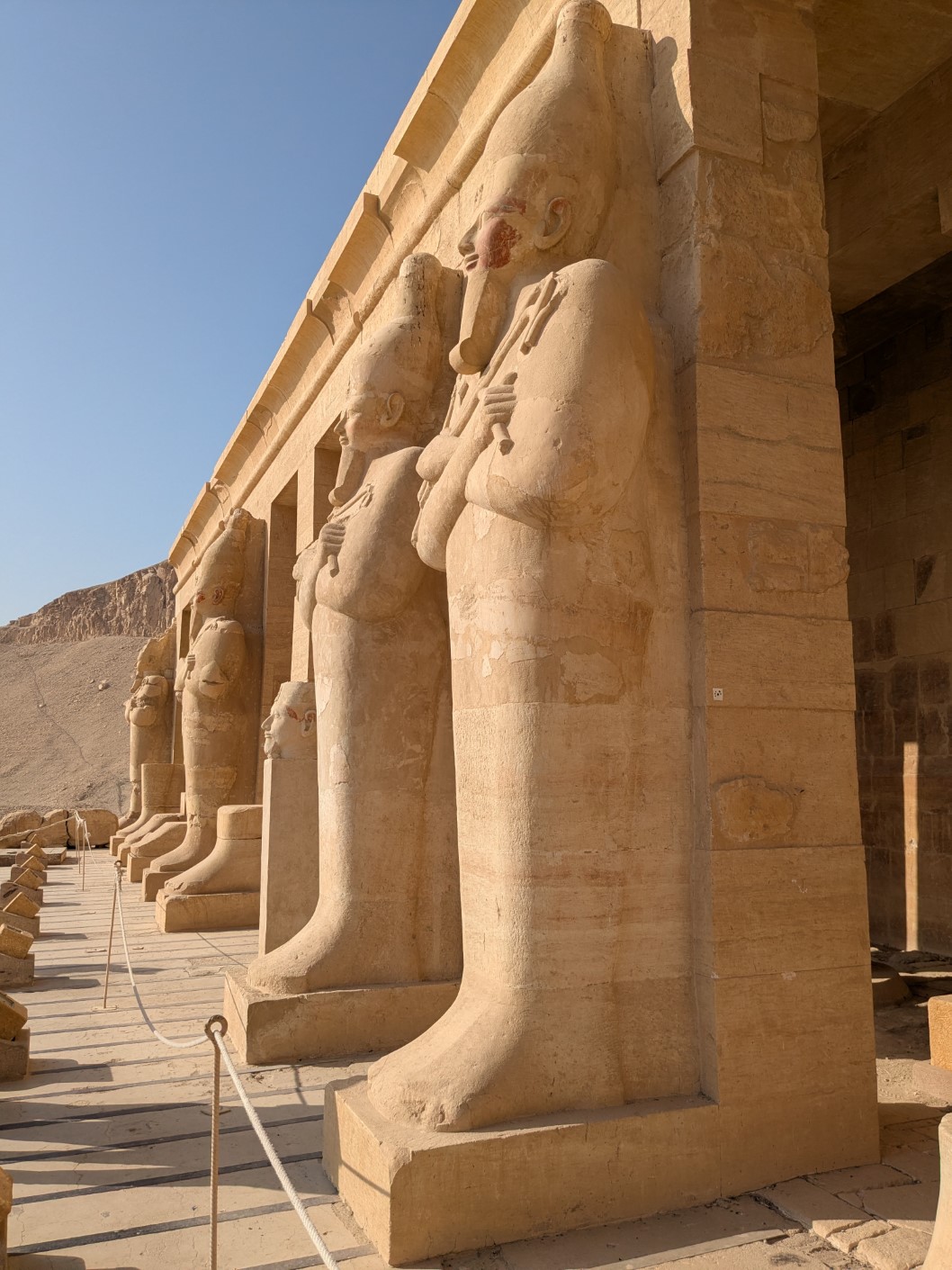
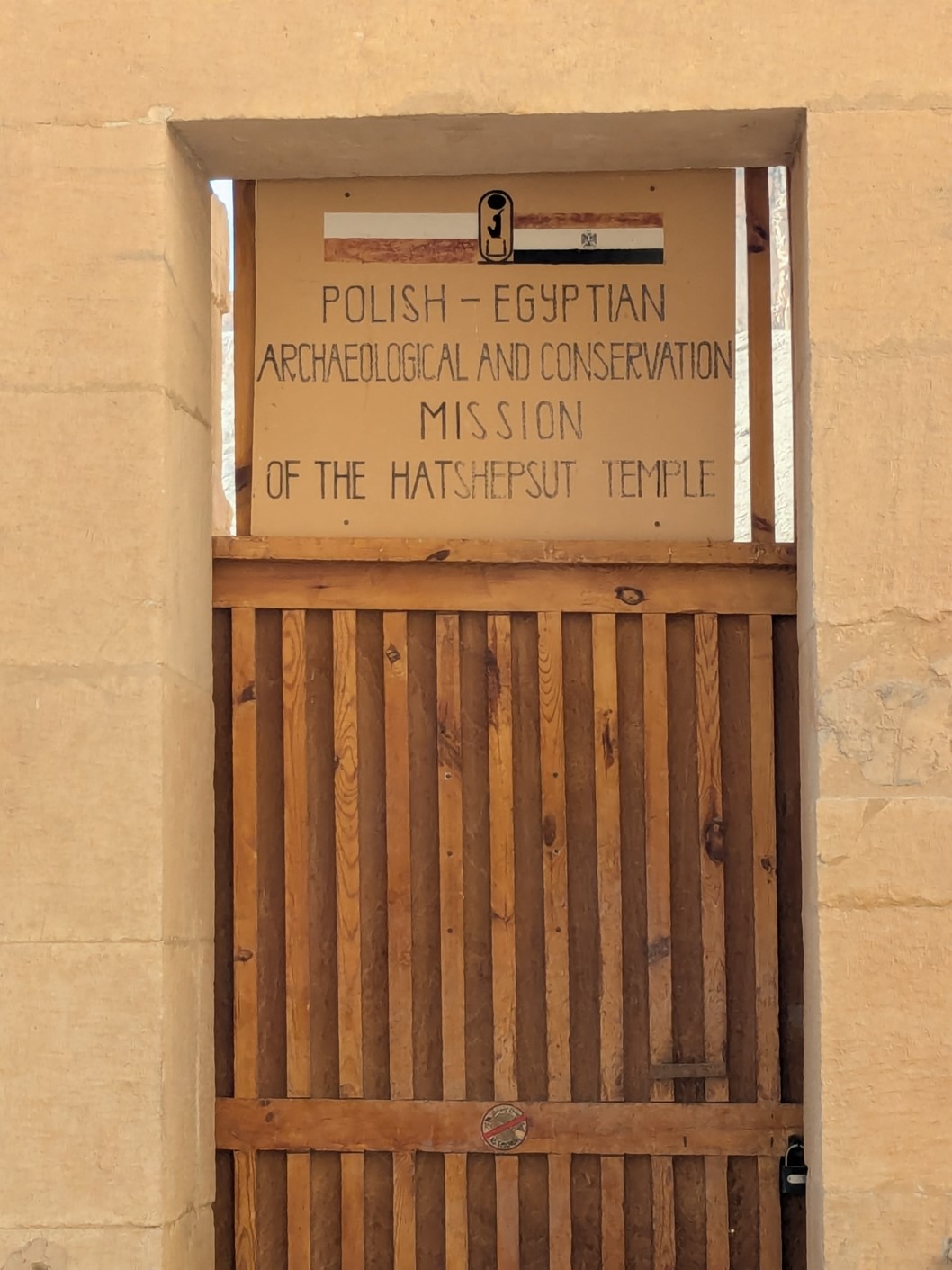
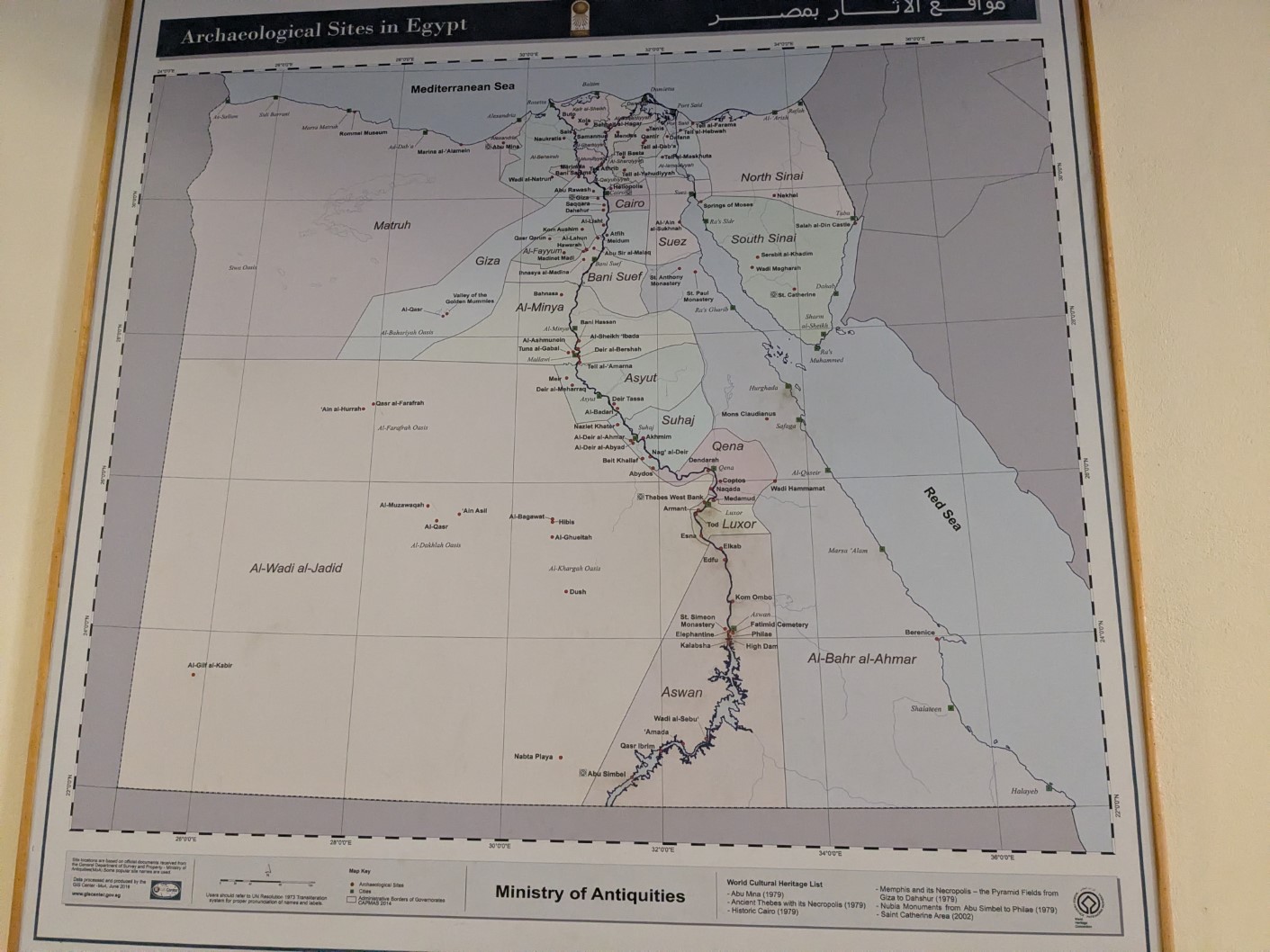
The following day, we visited the Colossi of Memnon and Amenhotep III Temple briefly, followed by the Temple of Hatshepsut – beautifully set against mountains. Aside from the pyramids, this was the only site I actually remembered from my first visit as a teenager.
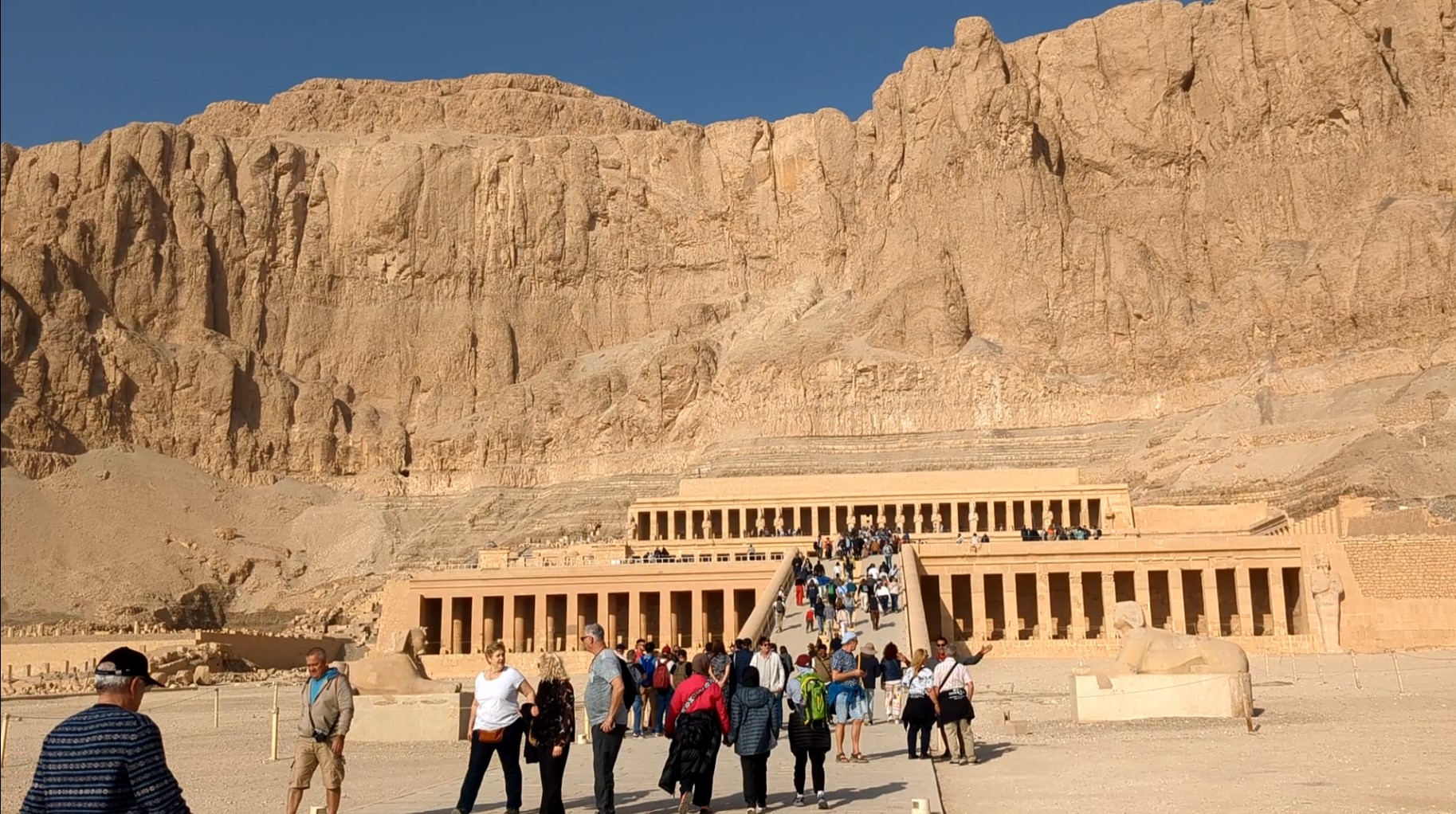
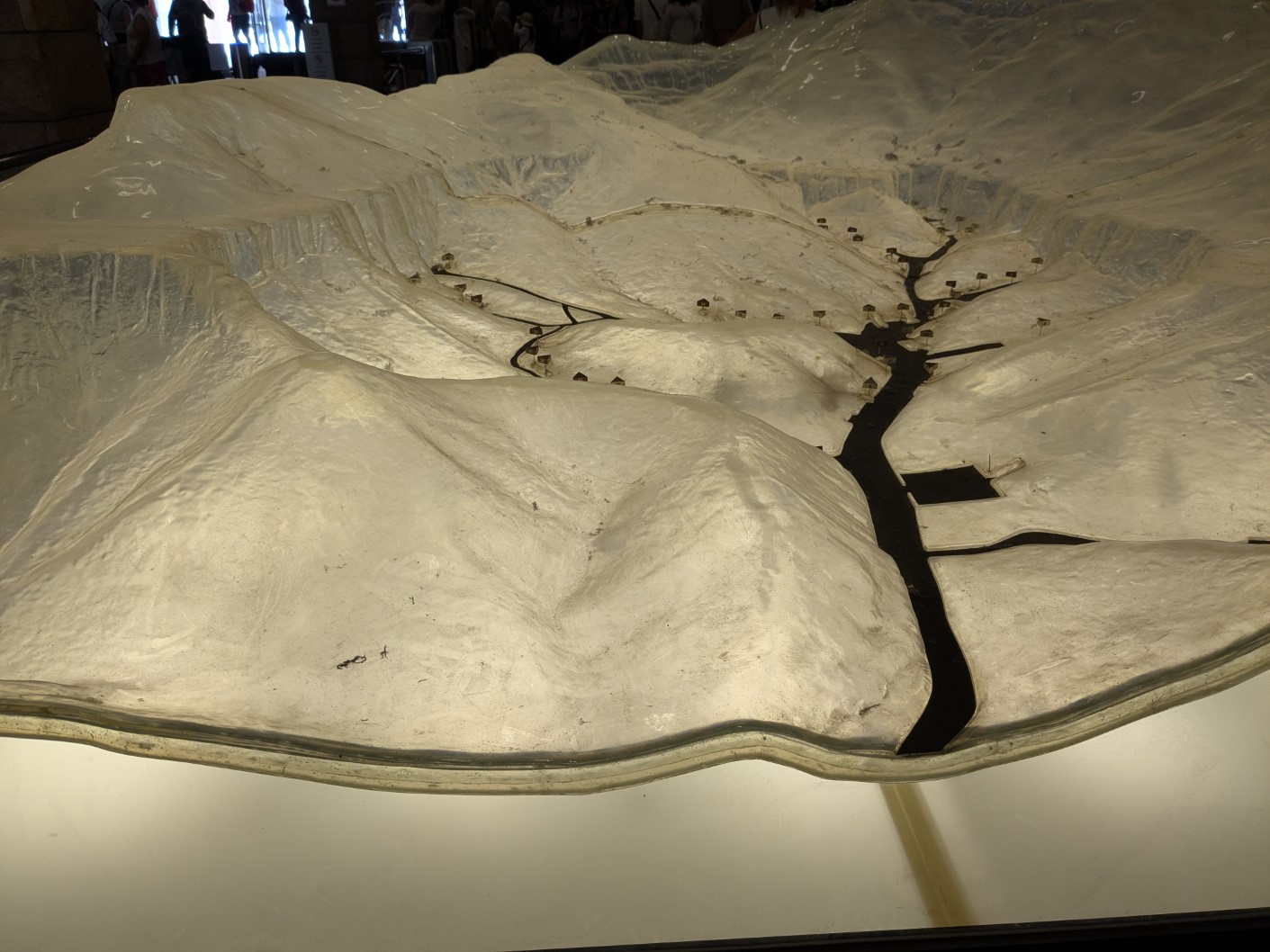
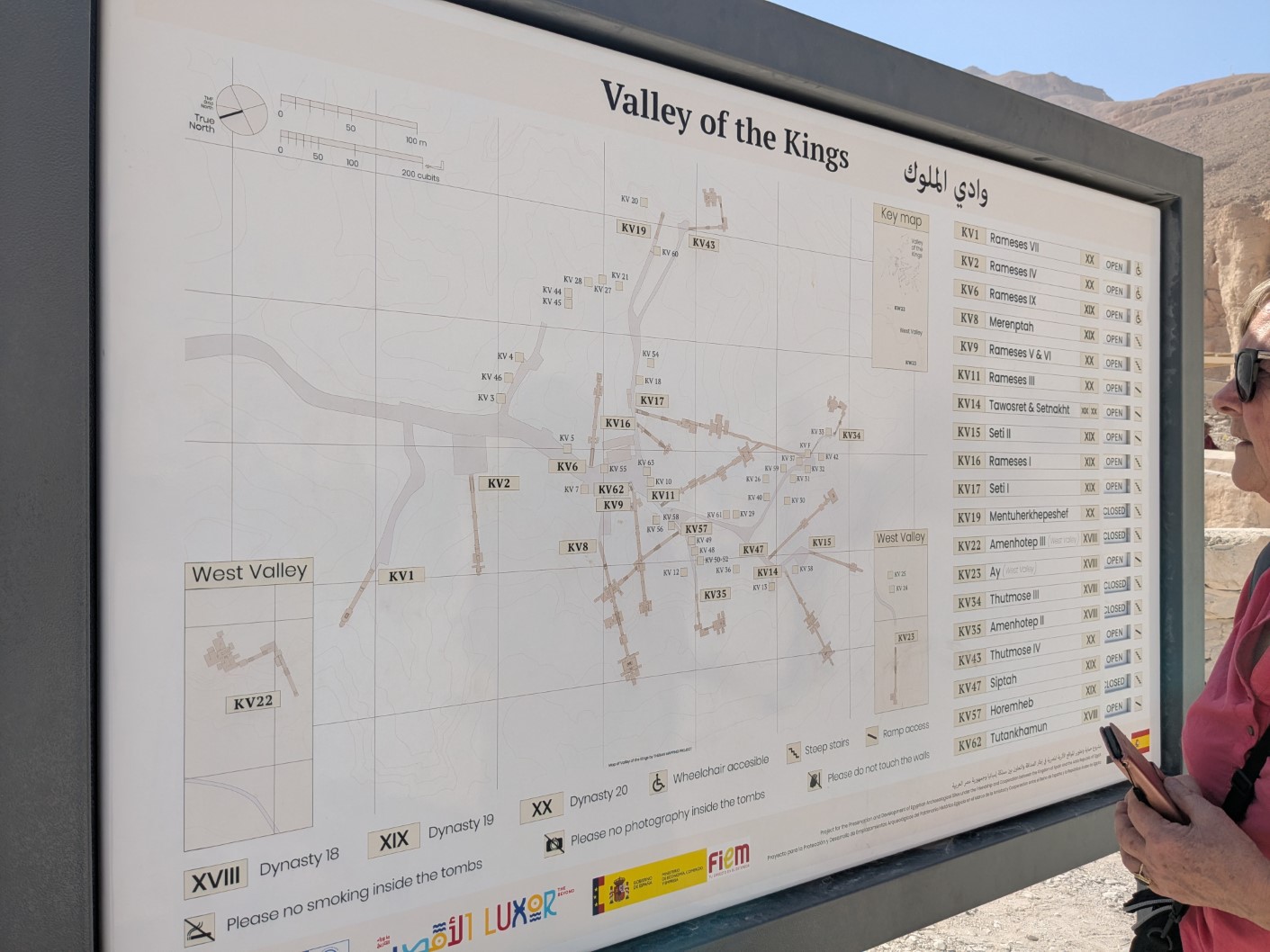
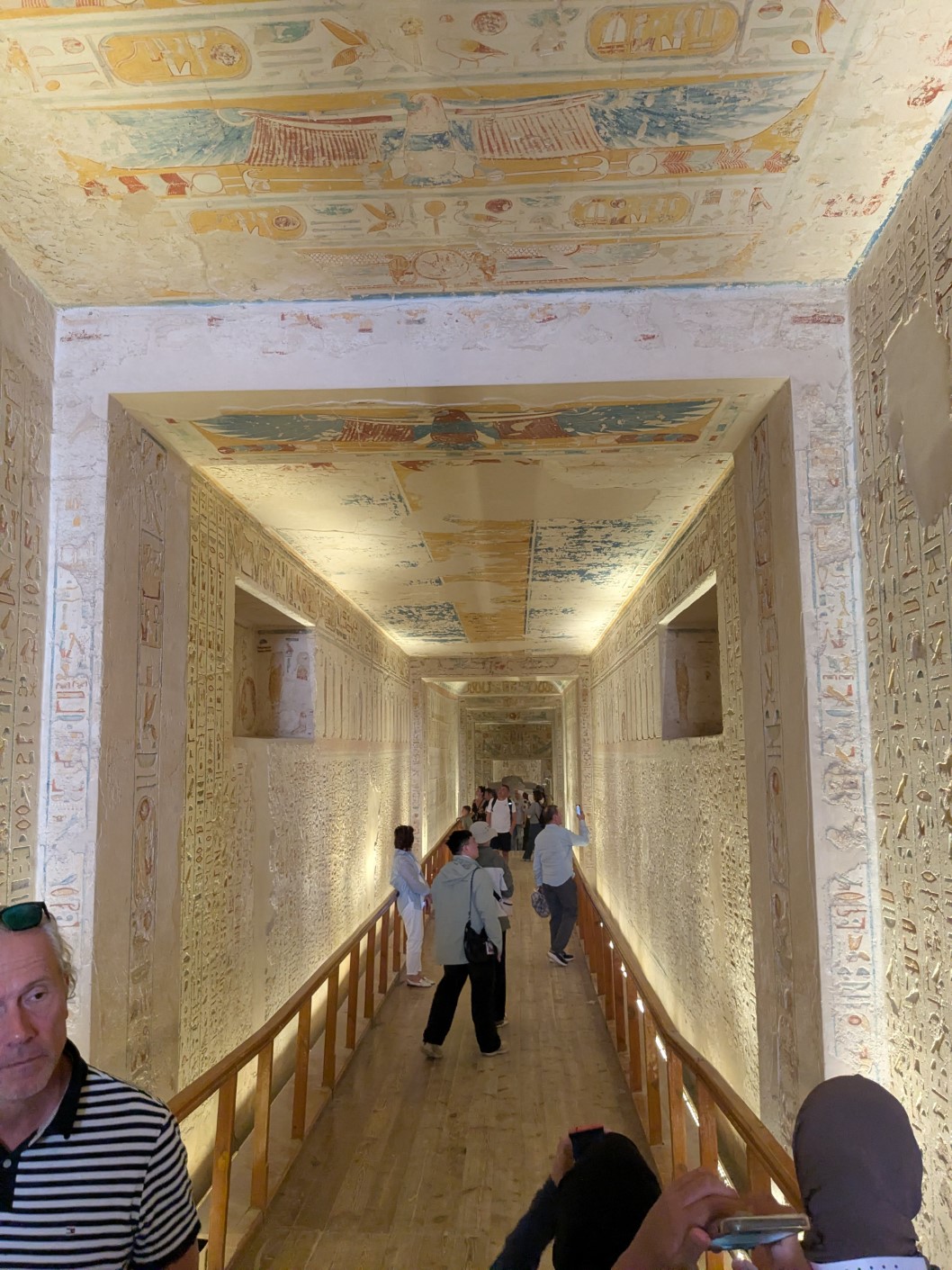
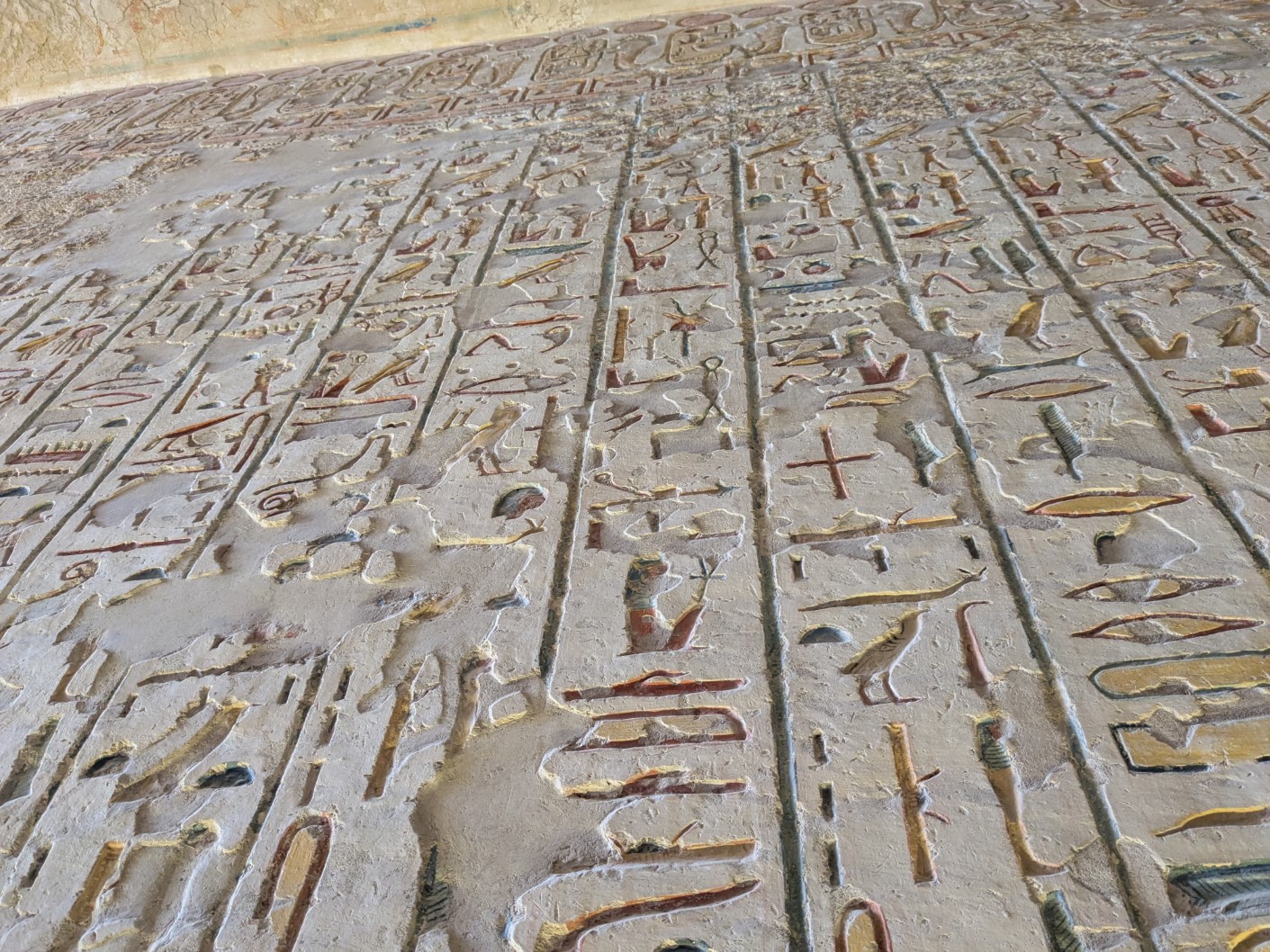
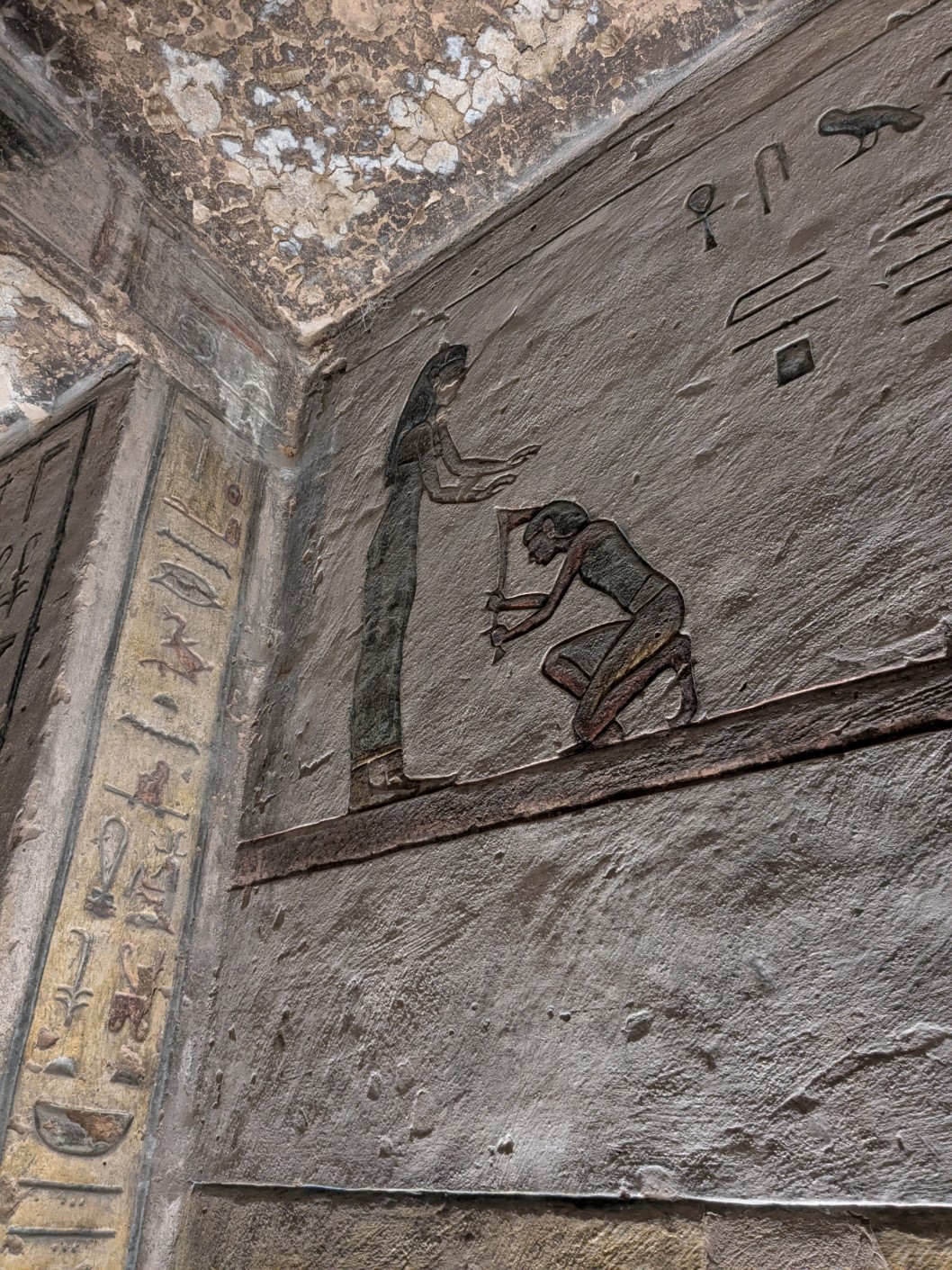
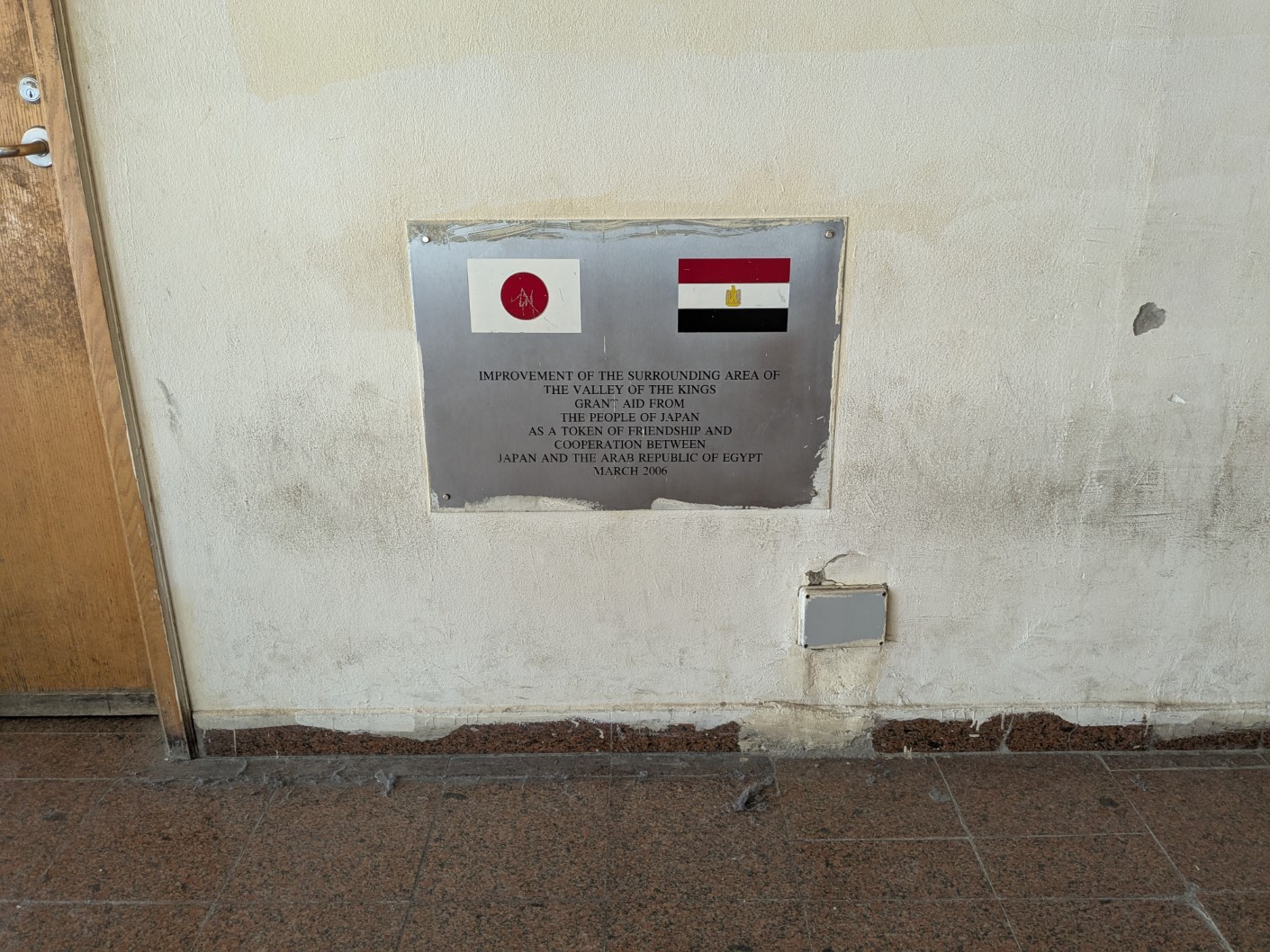
On the other side of the mountains, the Valley of the Kings contained a concentration of royal tombs, which had been looted by grave robbers over the centuries. It was fascinating to see how deeply they dug some of these tombs into the mountains (and underground) in an attempt to hide them. Most of the actual mummies had been moved to the National Museum of Egyptian Civilisation in Cairo, but Tutankhamun’s remains were still there, though an extra ticket is required to see the tomb. Tut’s tomb is famous because it was the only one discovered intact – with all his treasures still within.
The day also included a commercial break at an alabaster store, where old men working on stone carving had to put on a show for tourists – enthusiastically repeating an English script in unison like small schoolboys, while being prompted by the teenage host. It was rather demeaning, and sad to see. But I understood that in a country with such poverty, dignity is probably less important than the income they needed to survive.
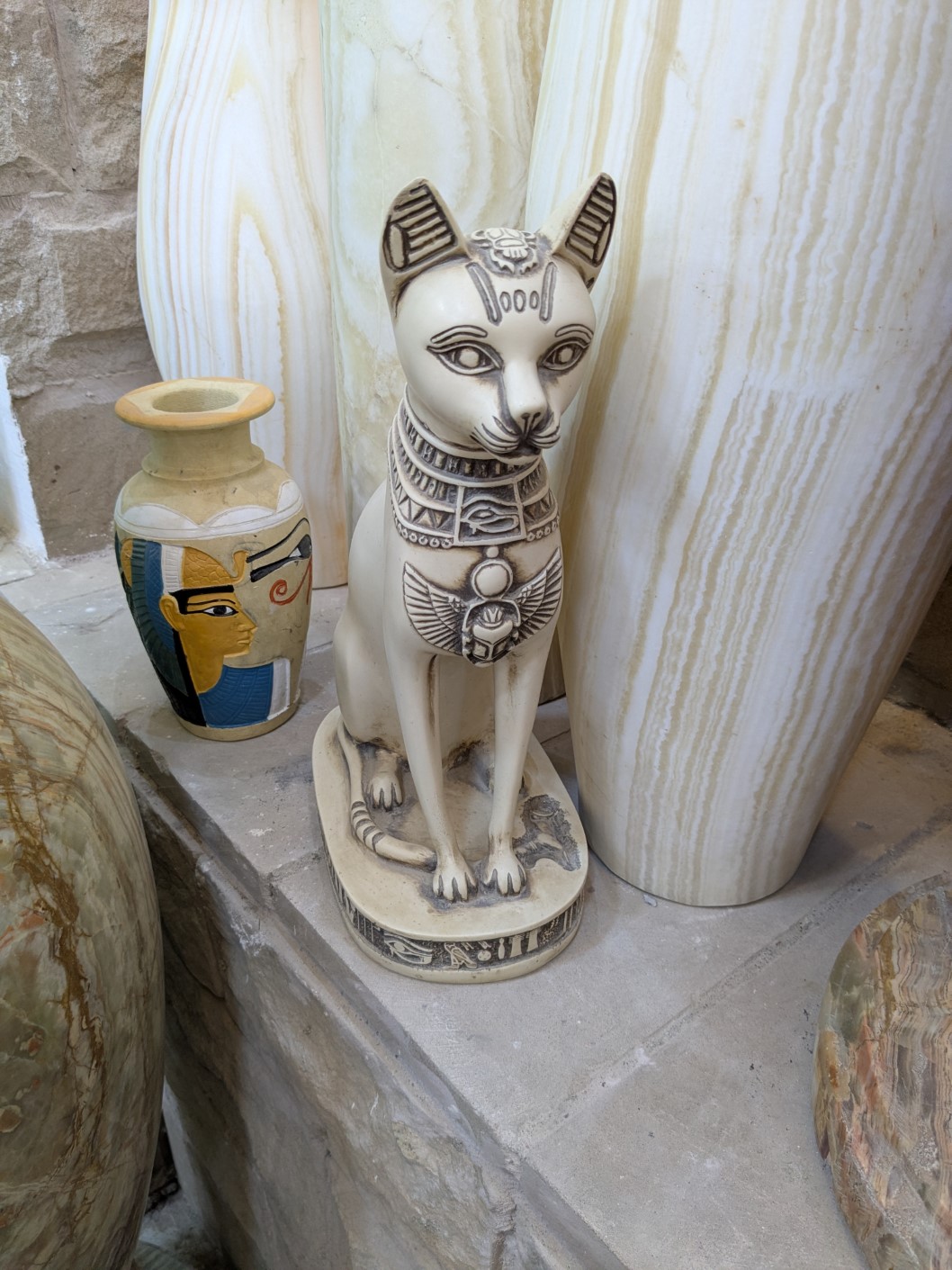
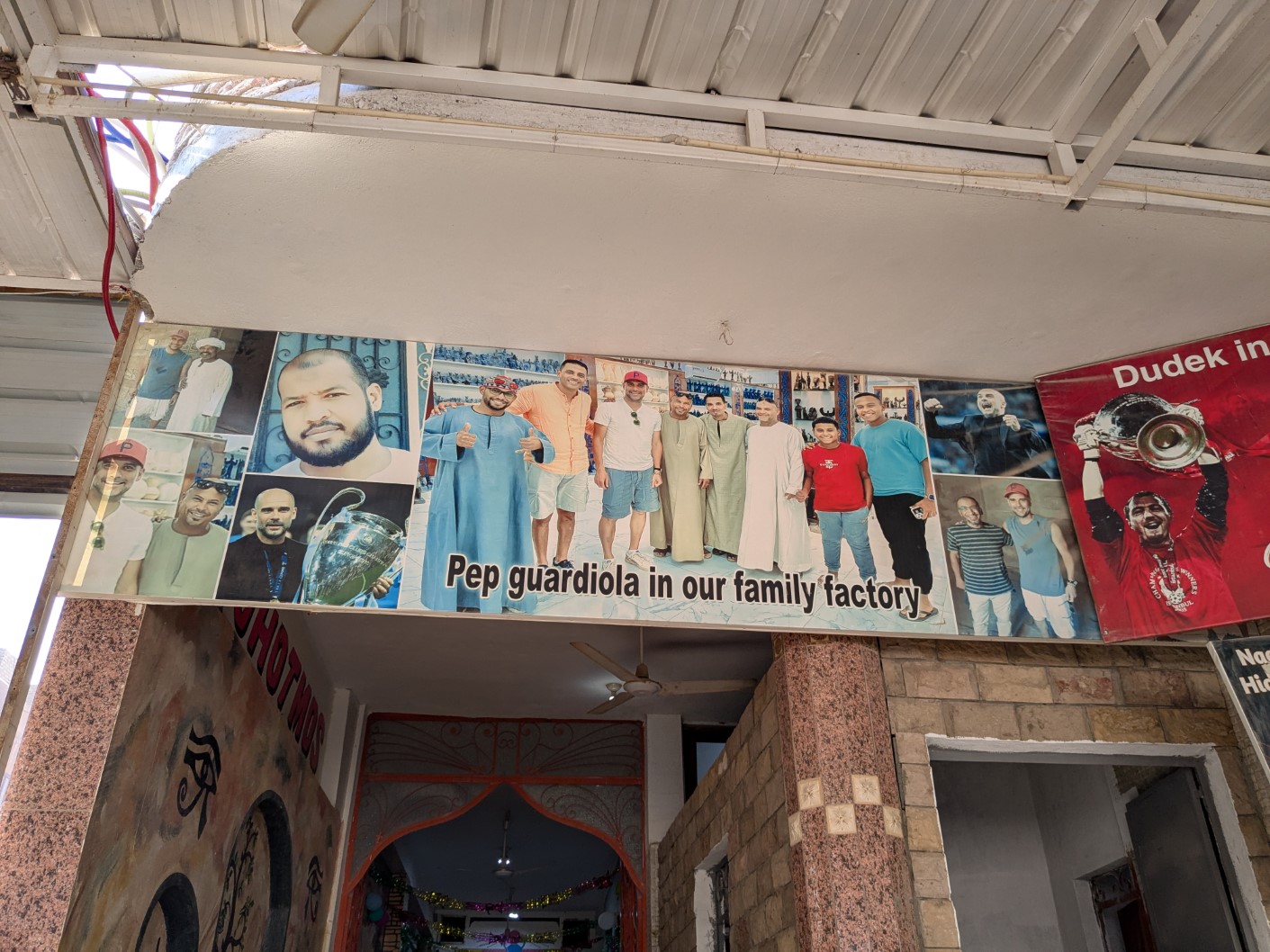
Tourists are commonly subjected to these routines in Egypt: your tour guide takes you to a papyrus, perfume, spice, or alabaster shop where the hosts offer you hospitality tea or drinks (sometimes food), show you their goods (sometimes with a demonstration), and then invite you to purchase. They often guarantee their goods are authentic – backed by a government certificate. However, you often find later on that some of the goods were overpriced and inauthentic. Scamming of tourists is unfortunately common in Egypt, as you’ll find if you search for reviews of the stores you’re taken too. We were well aware of this, but still indulged our hosts, and made purchases at some of the places. We were scammed (at least once, that we know of), but hoped that some of the money at least made it to the workers who needed it most.
More temples, and a dam
That afternoon, we sailed on to Esna, during which I was inspired to write this poem, which I published that night. Inspiration doesn’t come often to me anymore, so it was important to me to publish it quickly, while I still felt the energy and mood of the circumstances that gave birth to the piece.
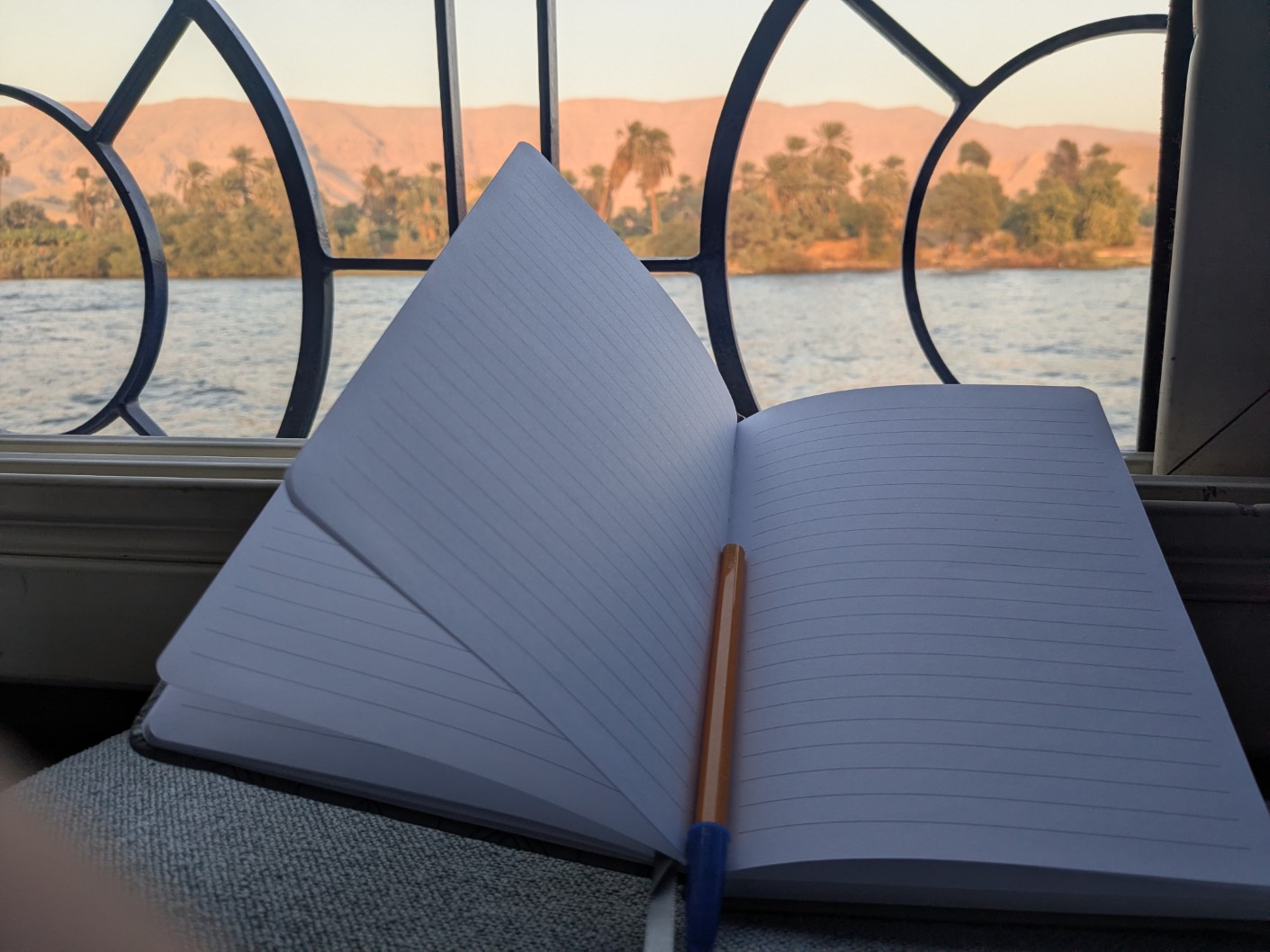
The following day, we took an early morning “horse and carriage” ride to Edfu Temple. The ride was anything but glamorous, but it did give us a glimpse of the morning routines of the town.
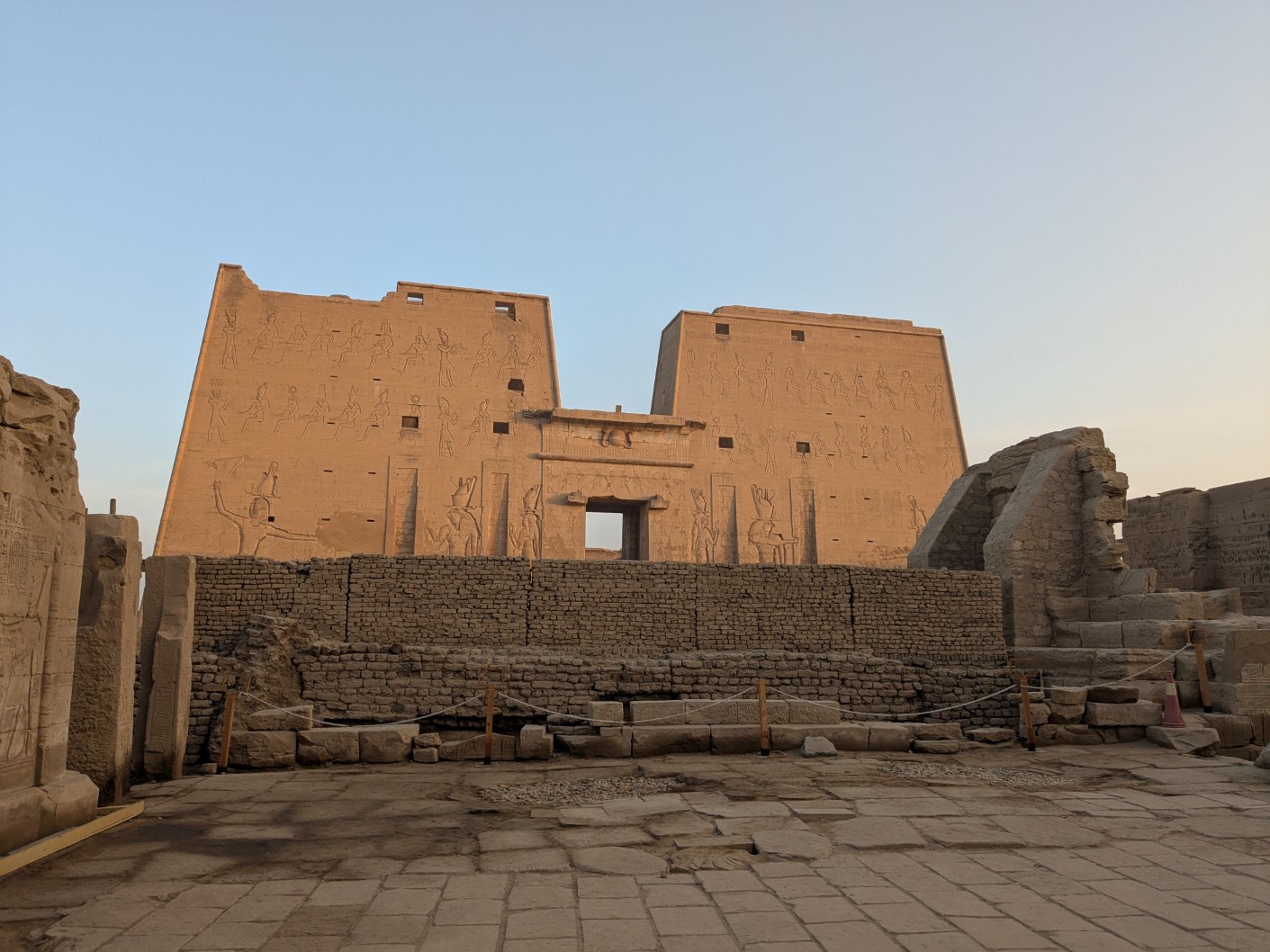
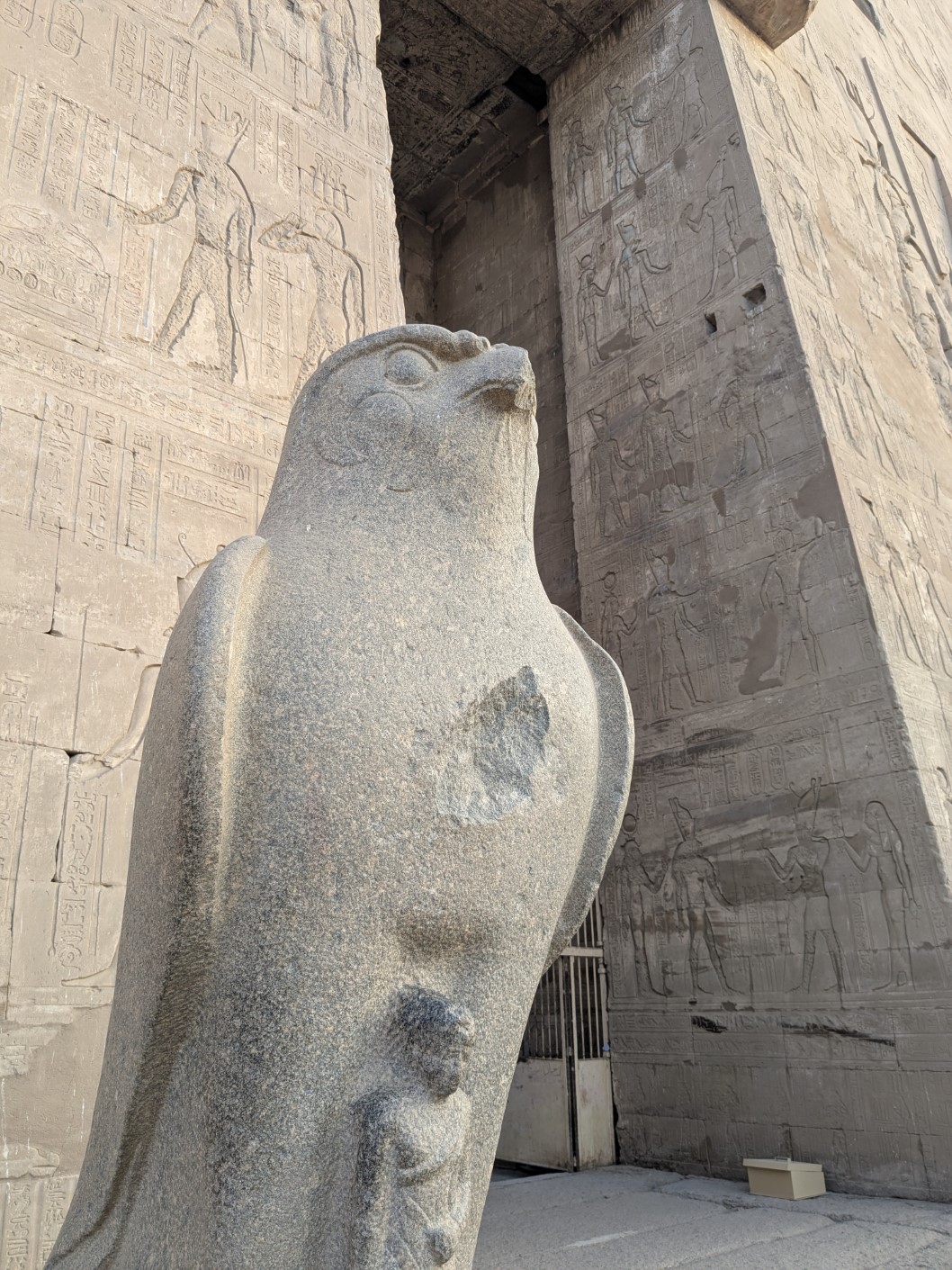
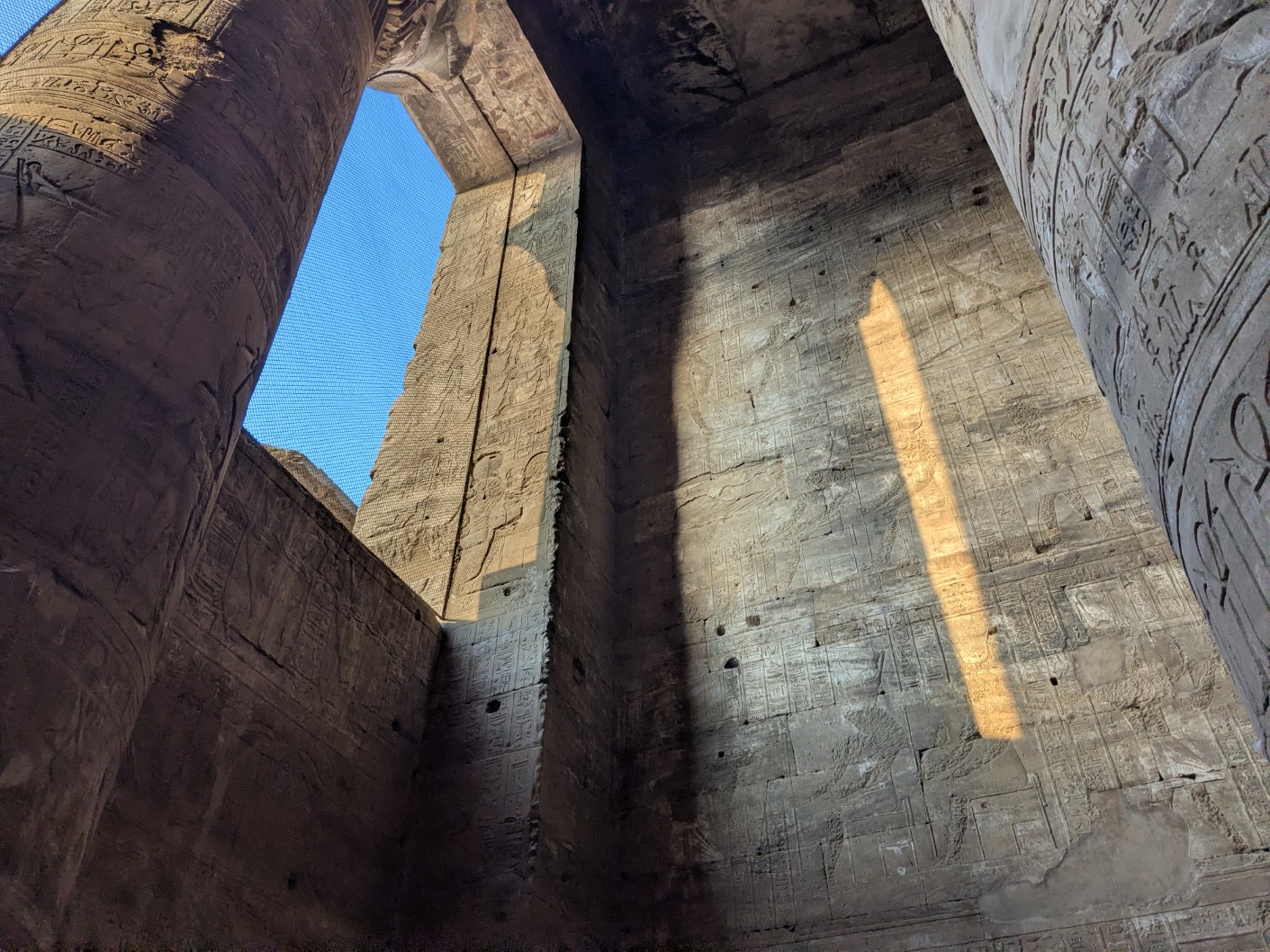
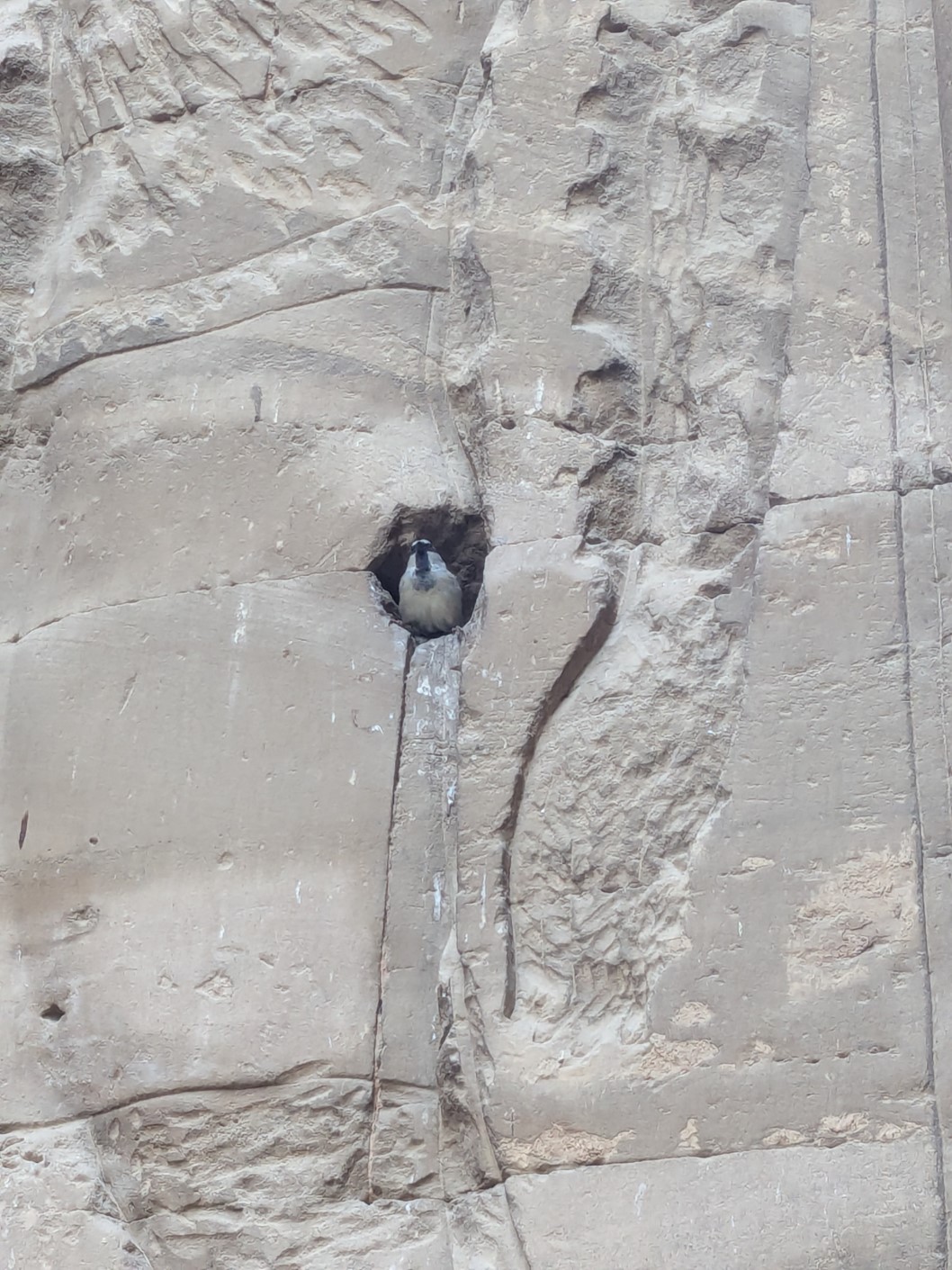
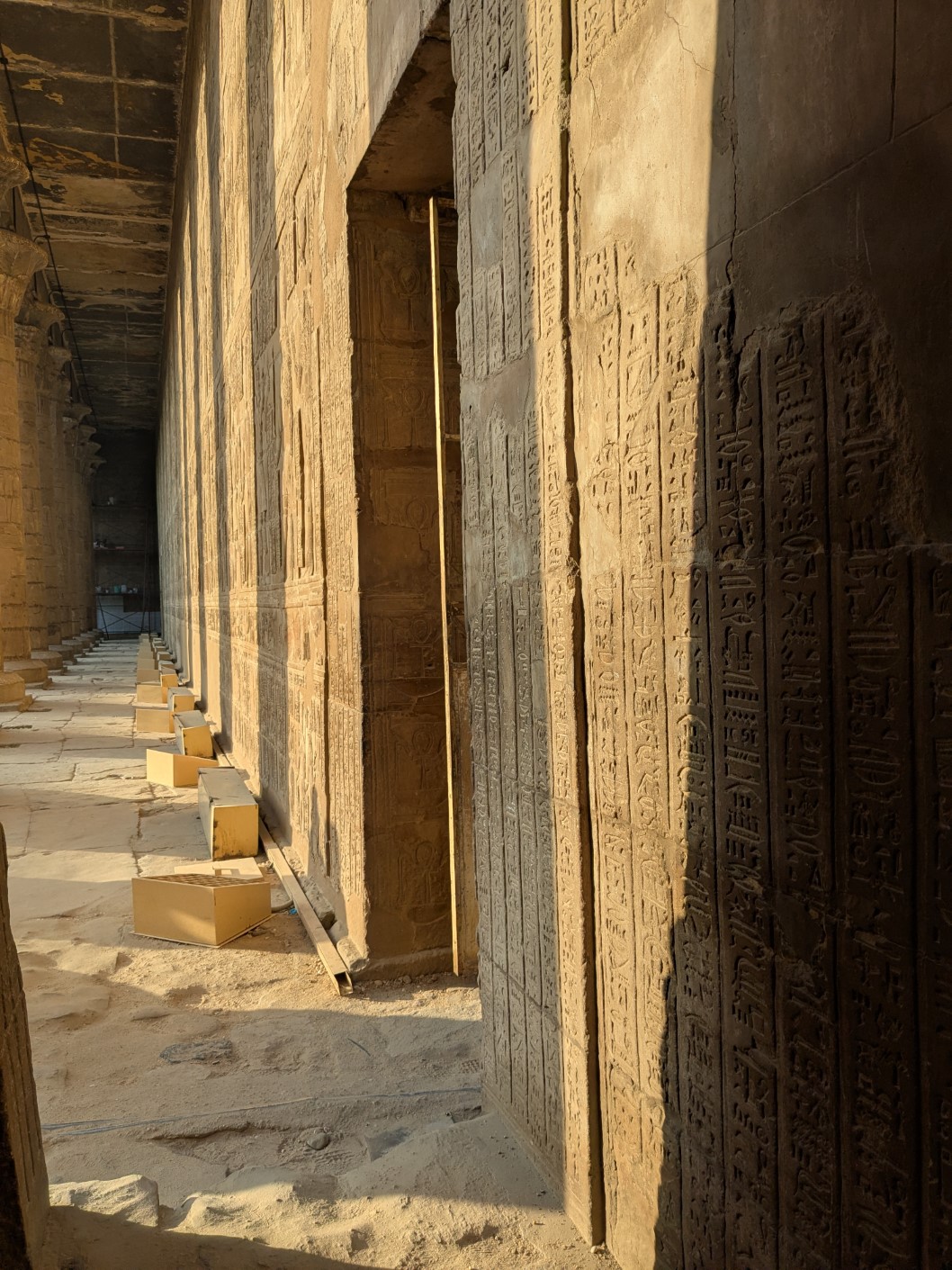
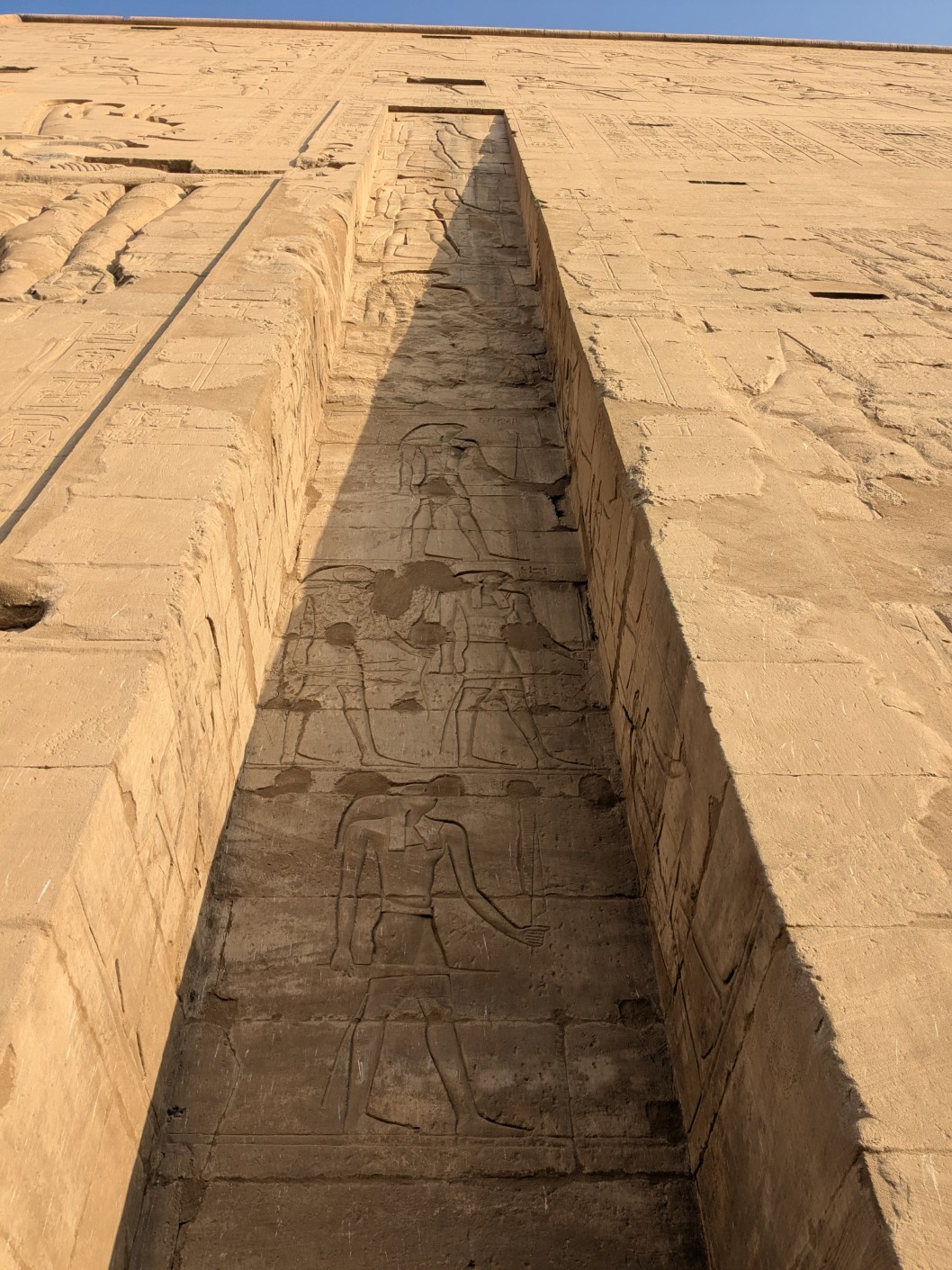
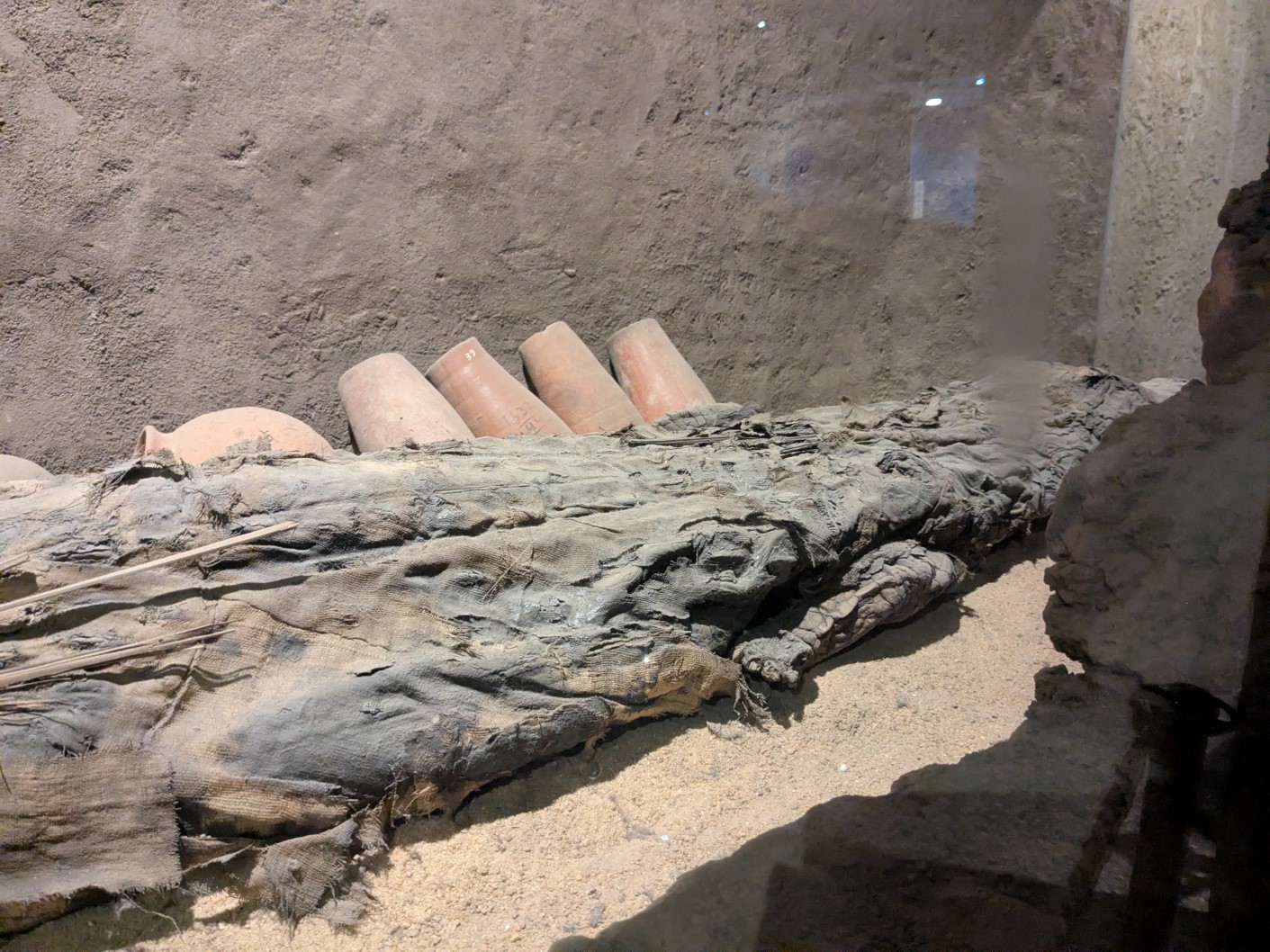
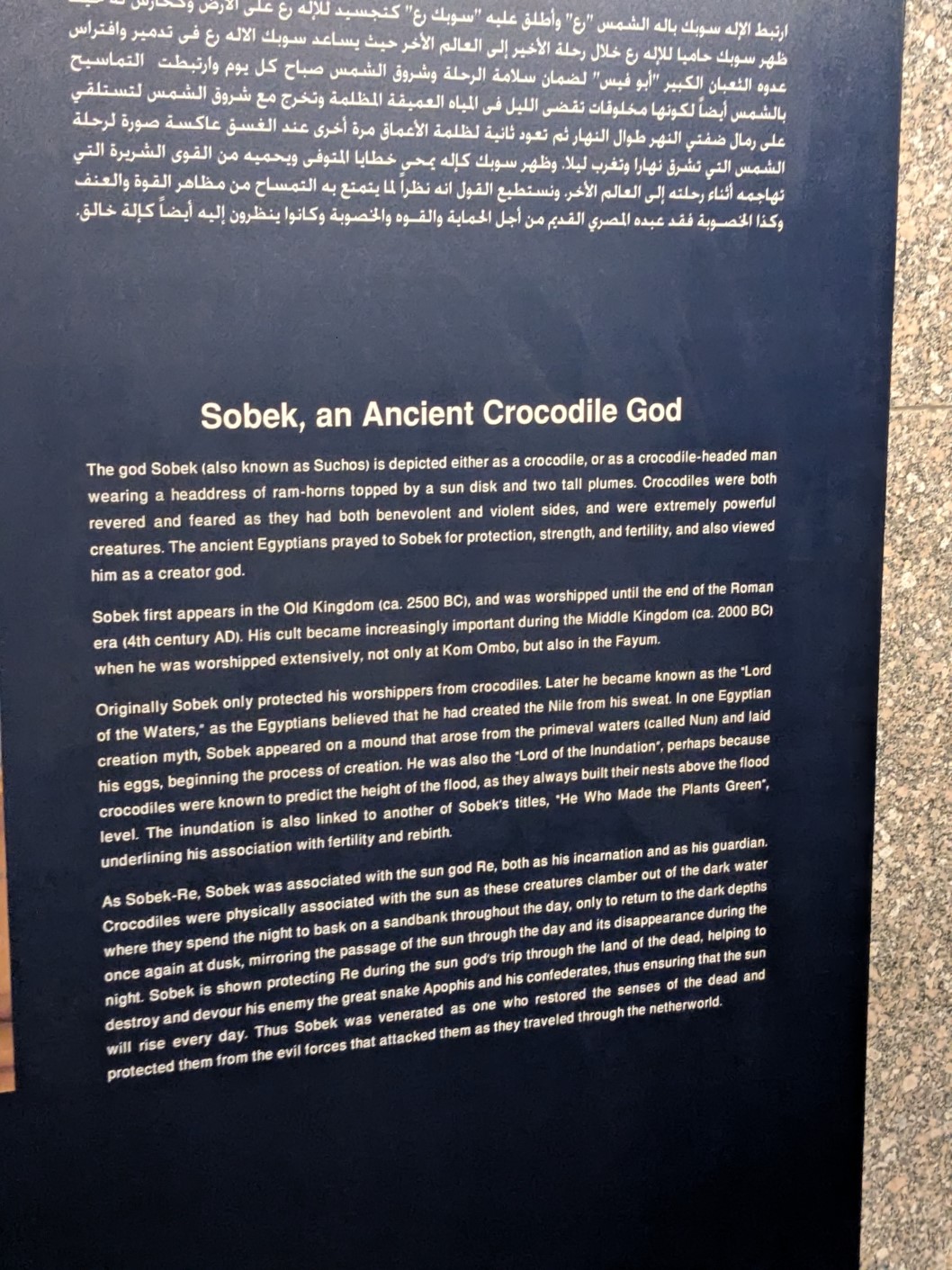
This was followed by more sailing – to our final stop of Aswan, and a stop at Kom Ombu Temple, which included a museum containing the mummified remains of crocodiles, which held religious significance to the ancient Egyptians.
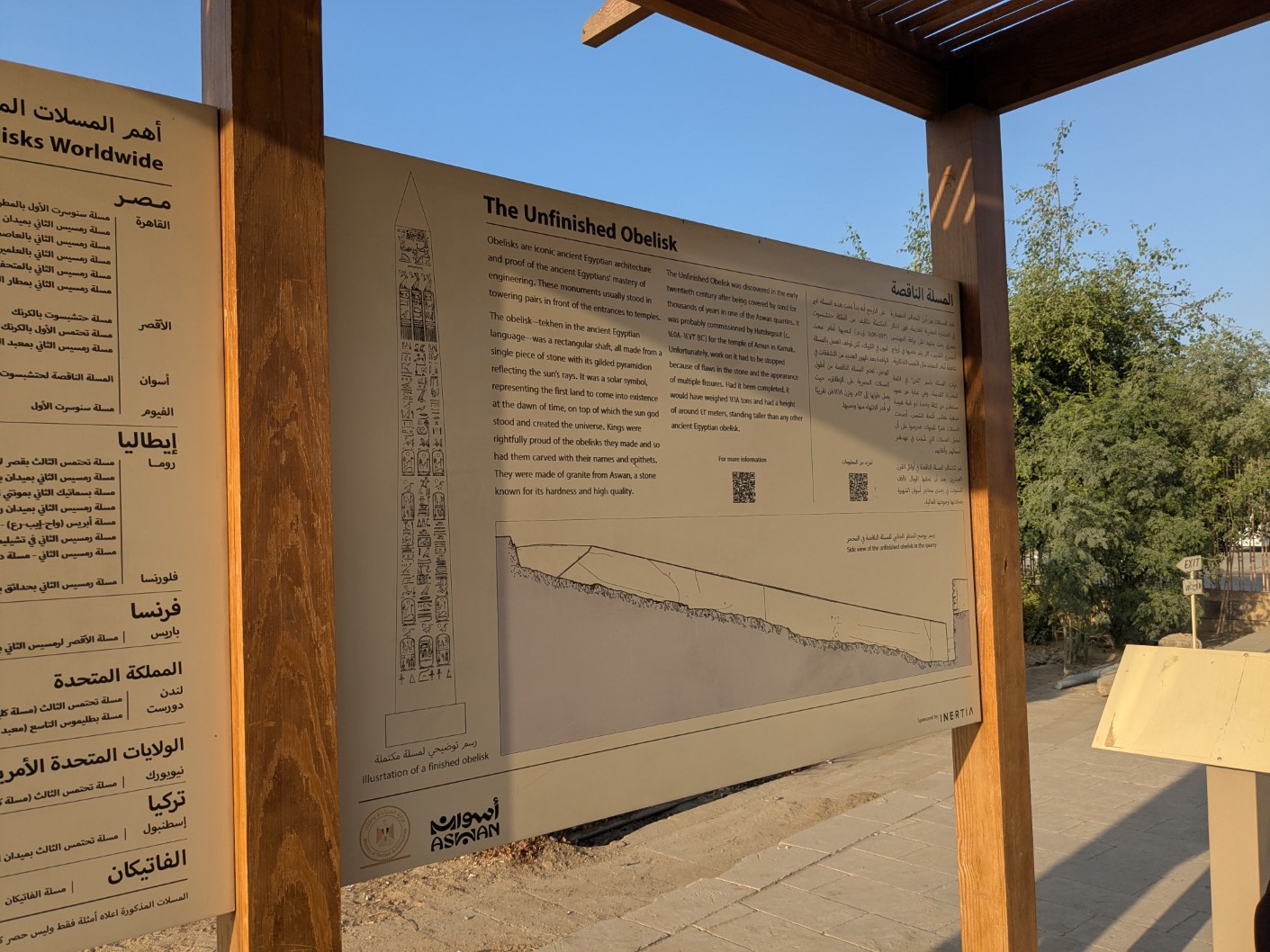
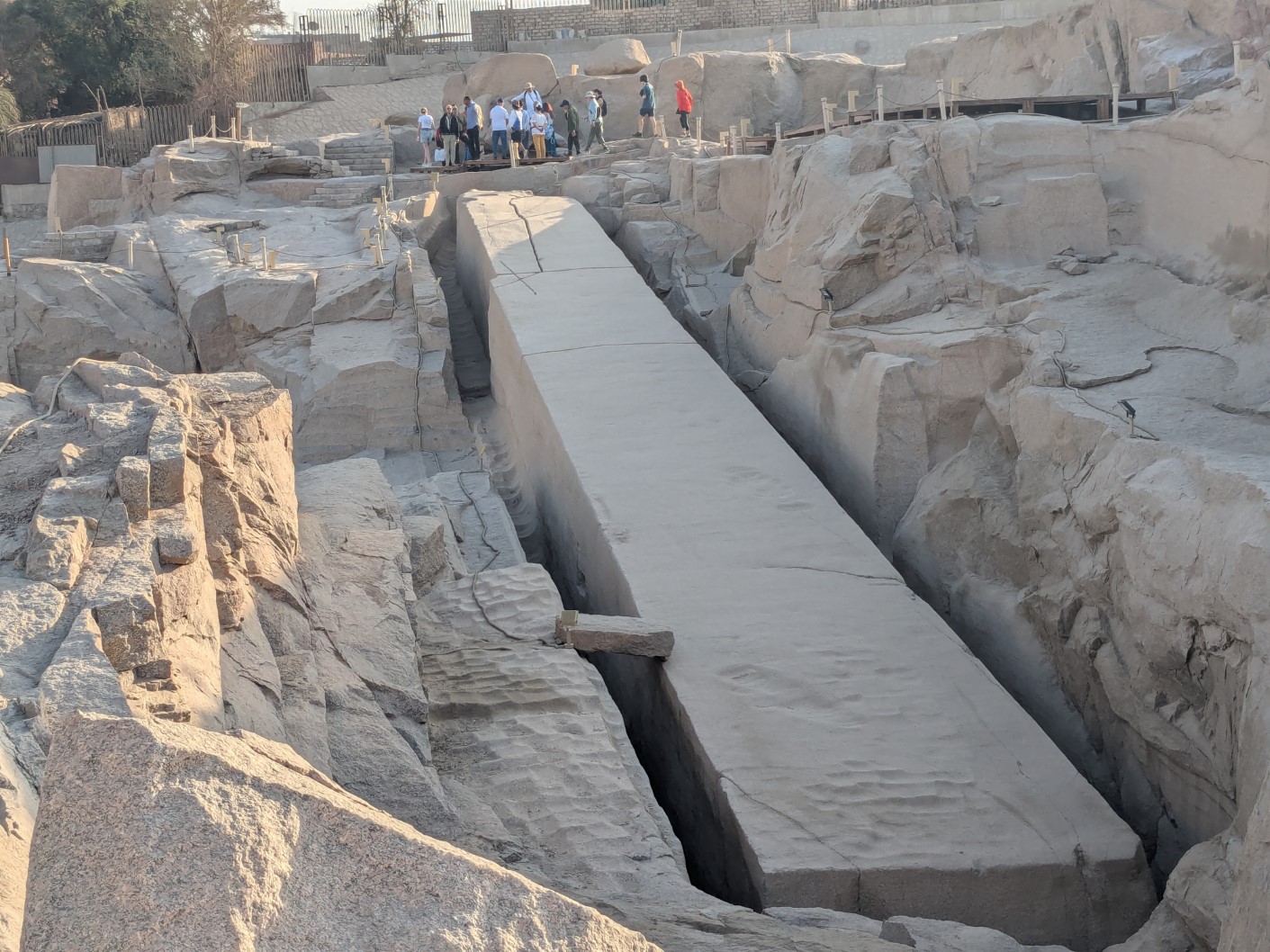
The following morning – our last day of the cruise – we visited the Unfinished Obelisk in a stone quarry in Aswan.
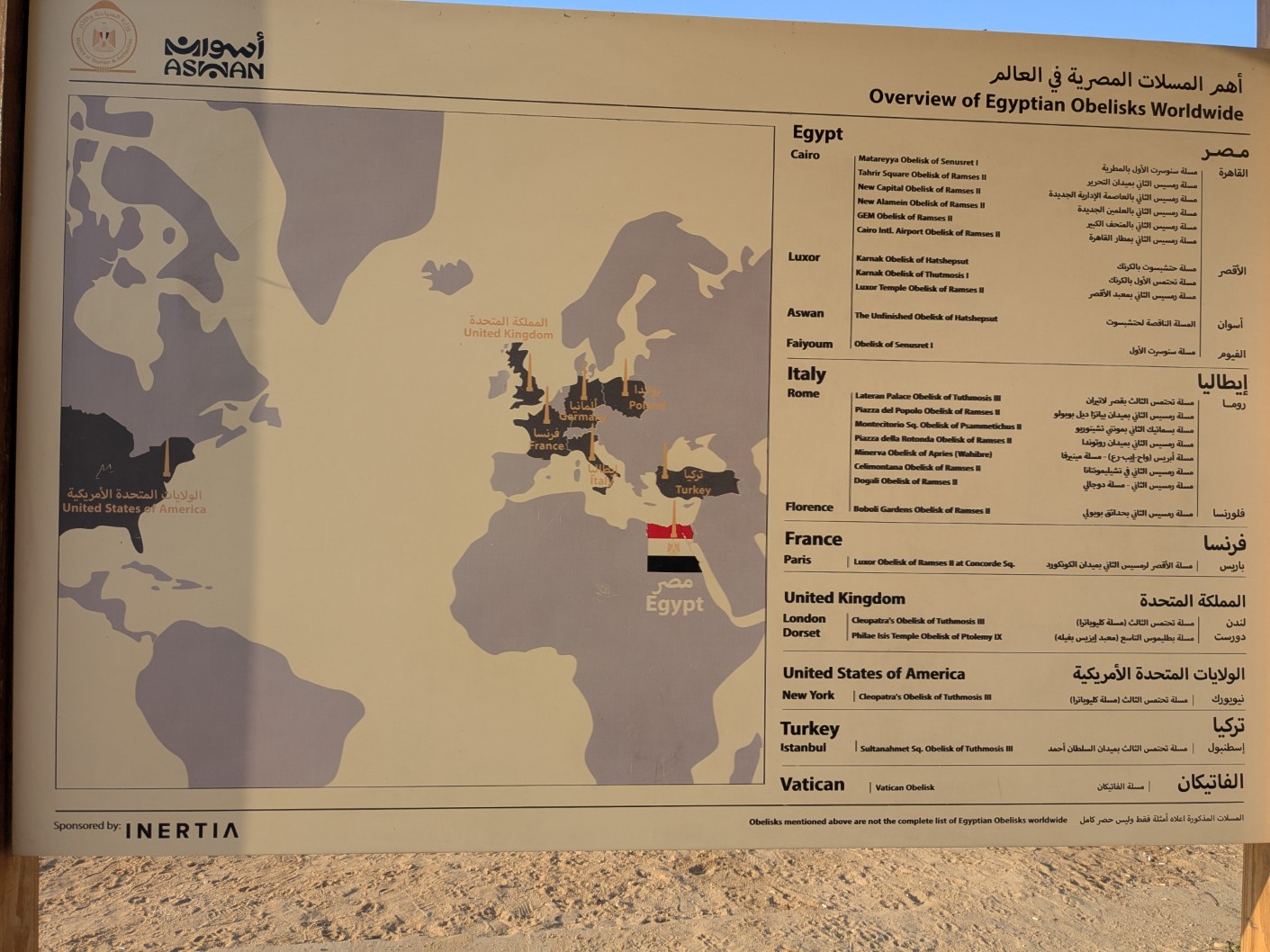
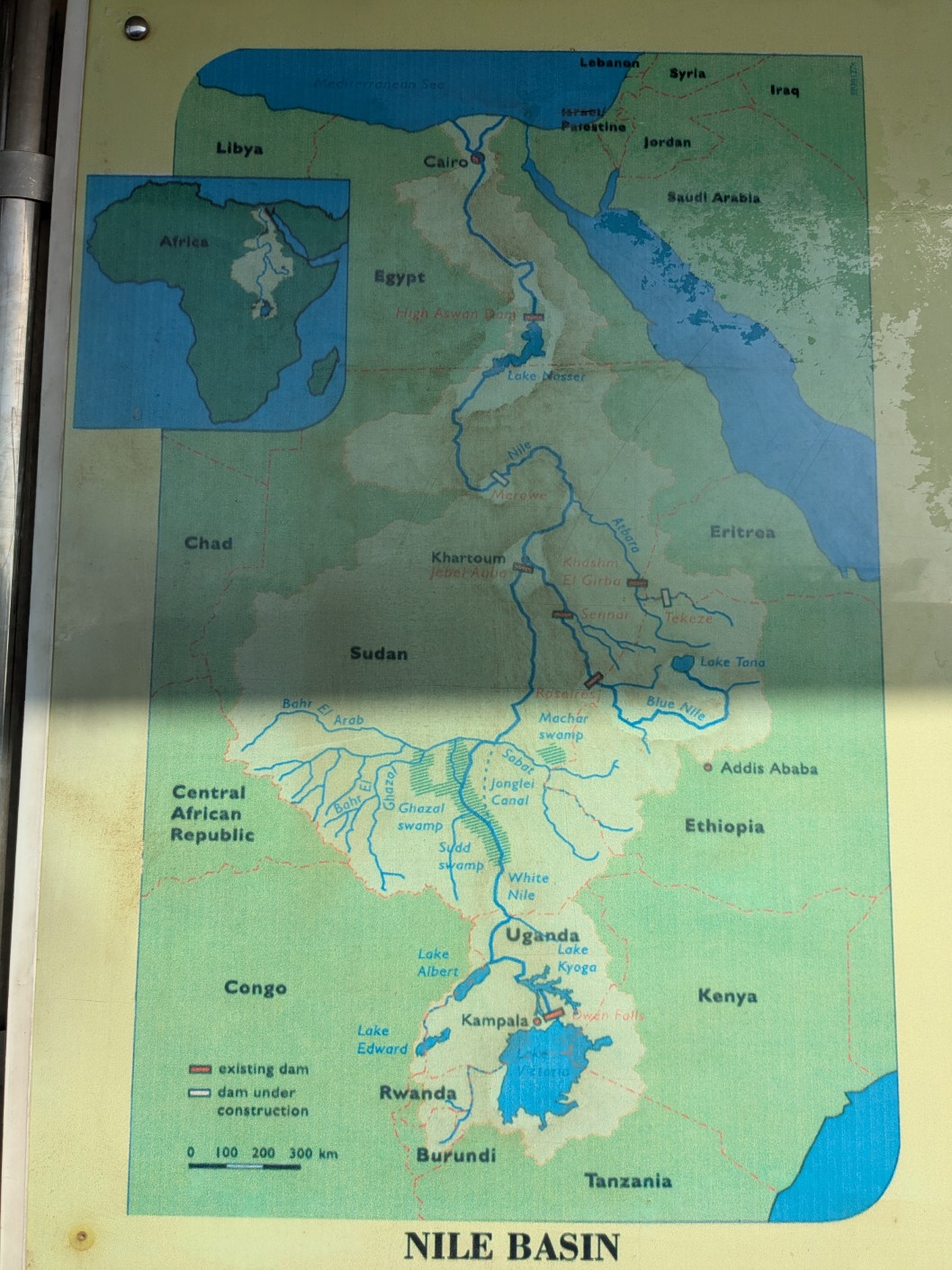
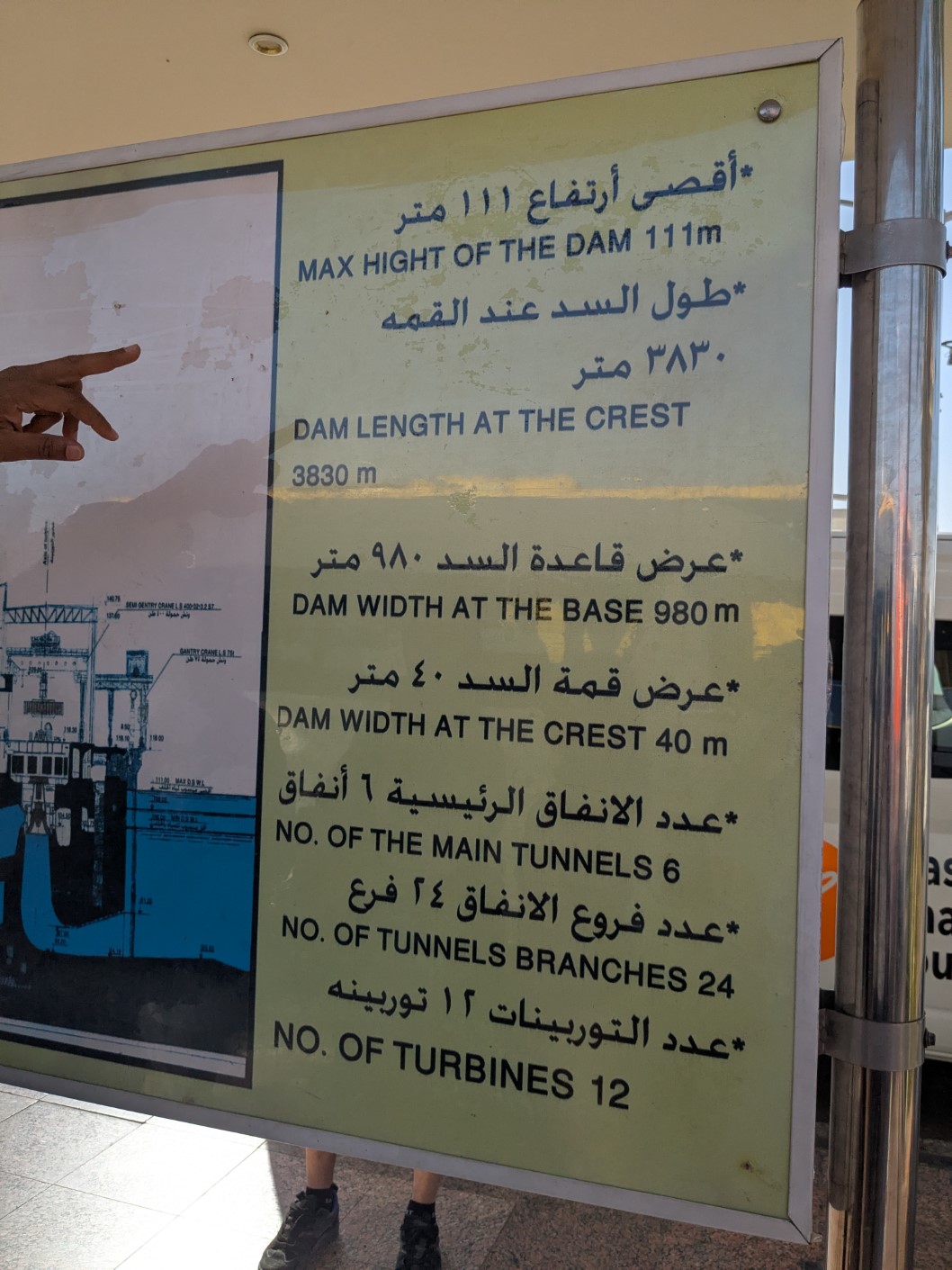
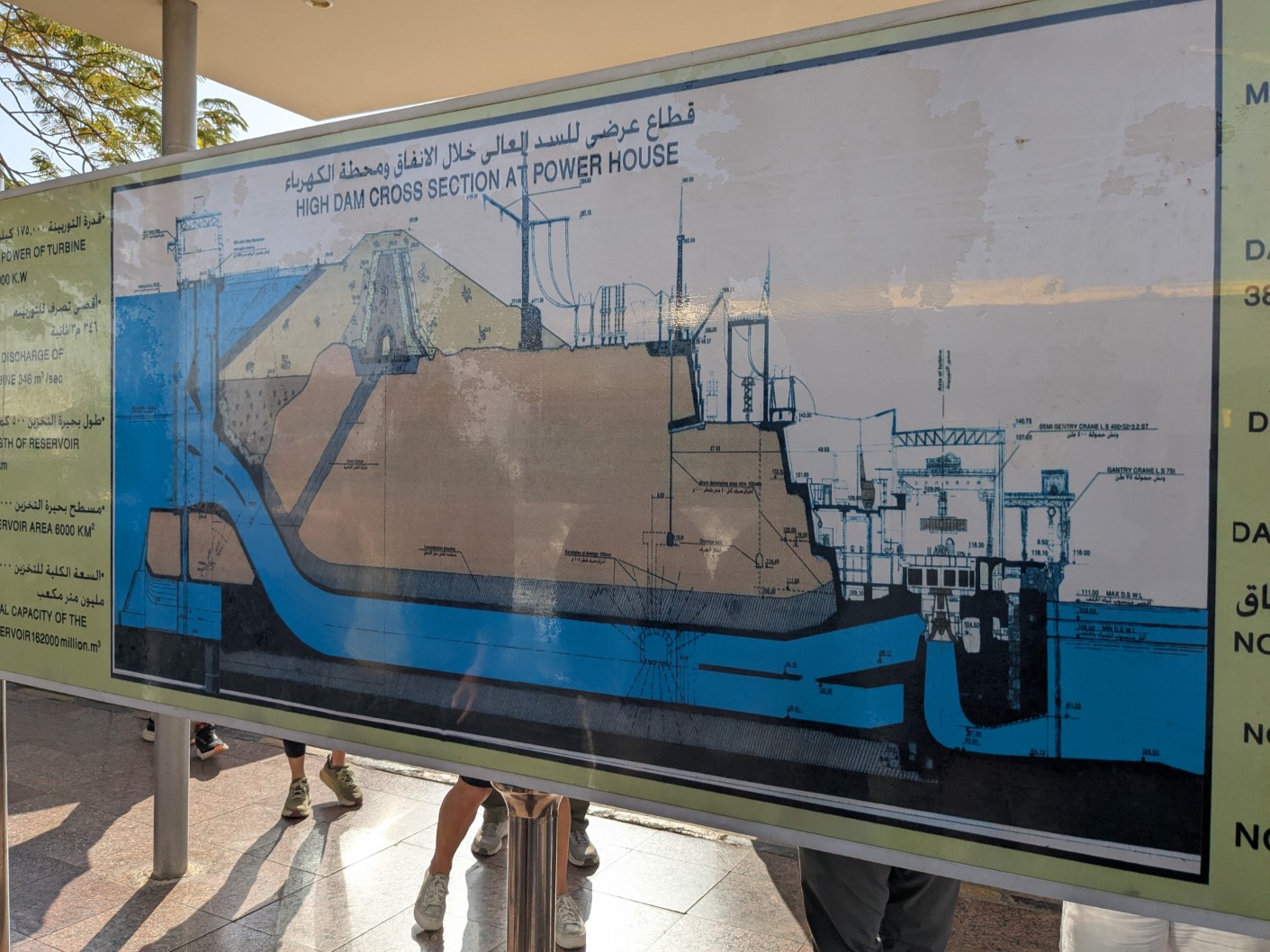
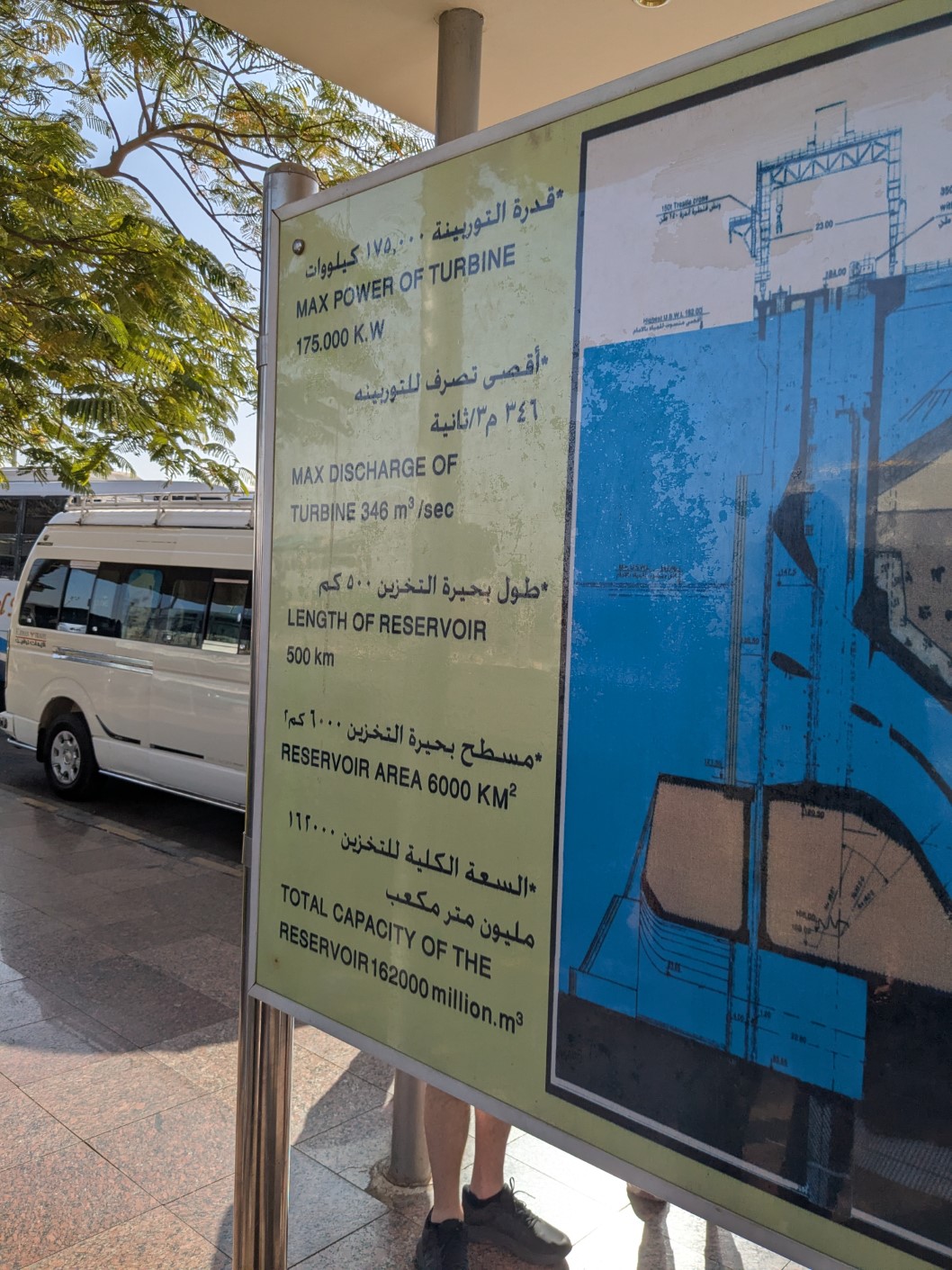
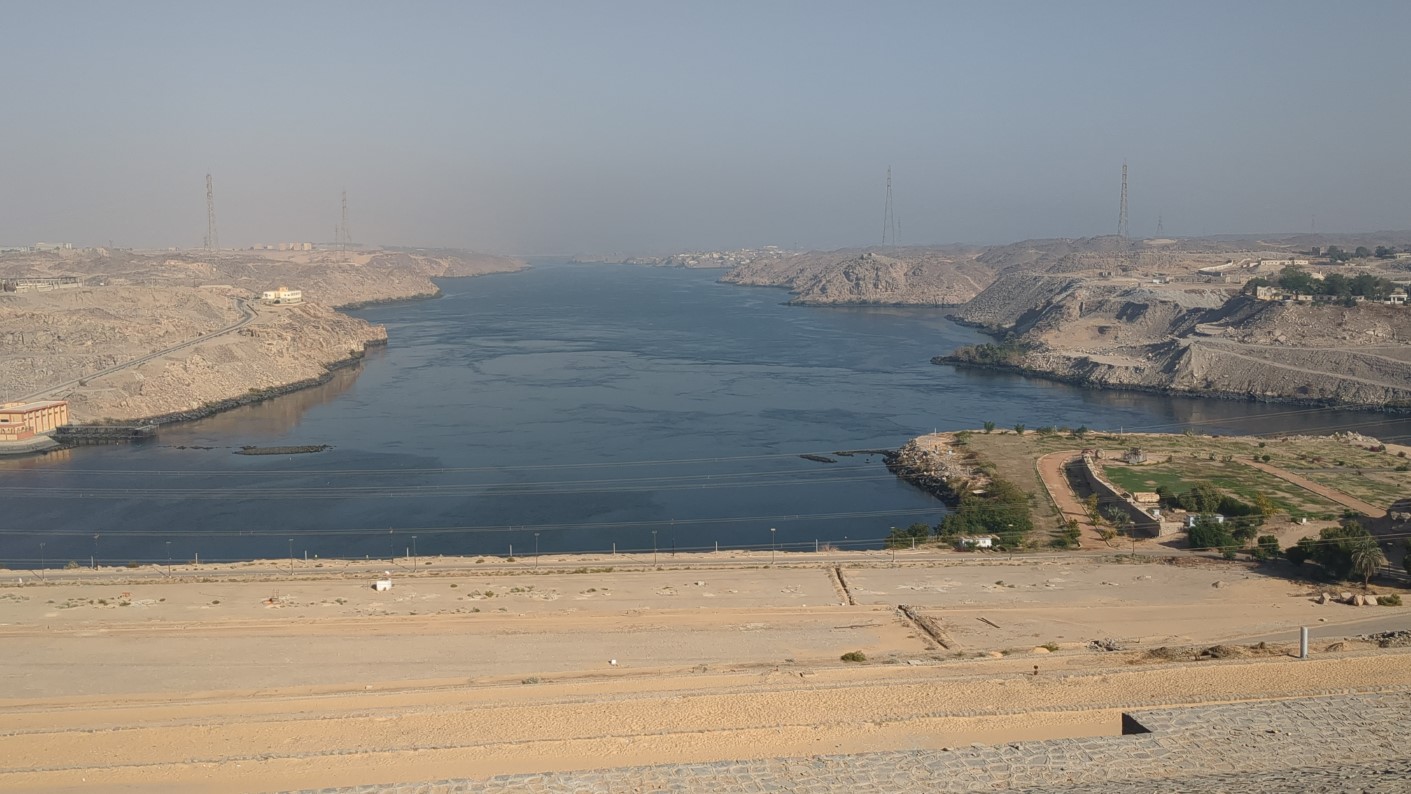
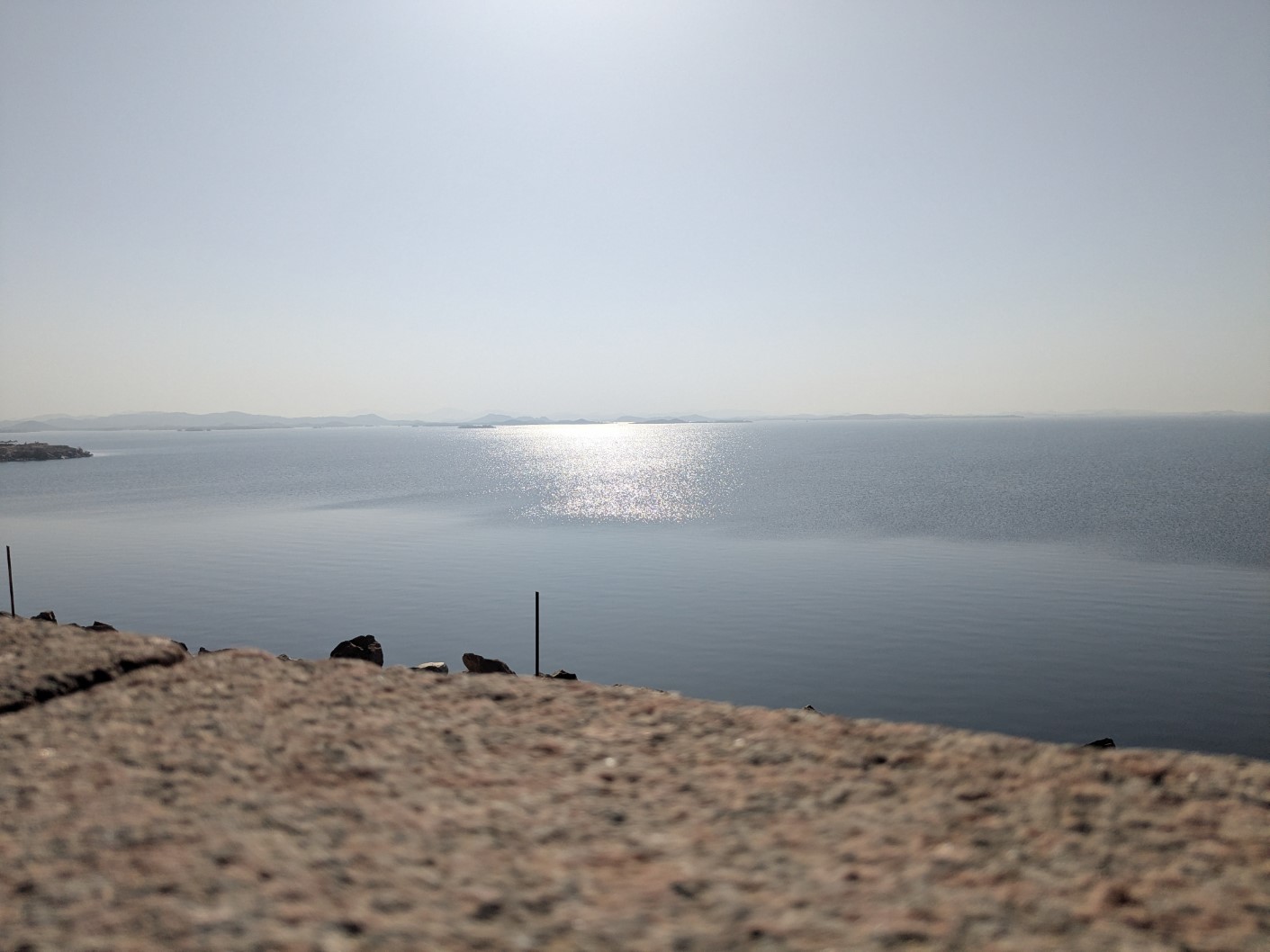
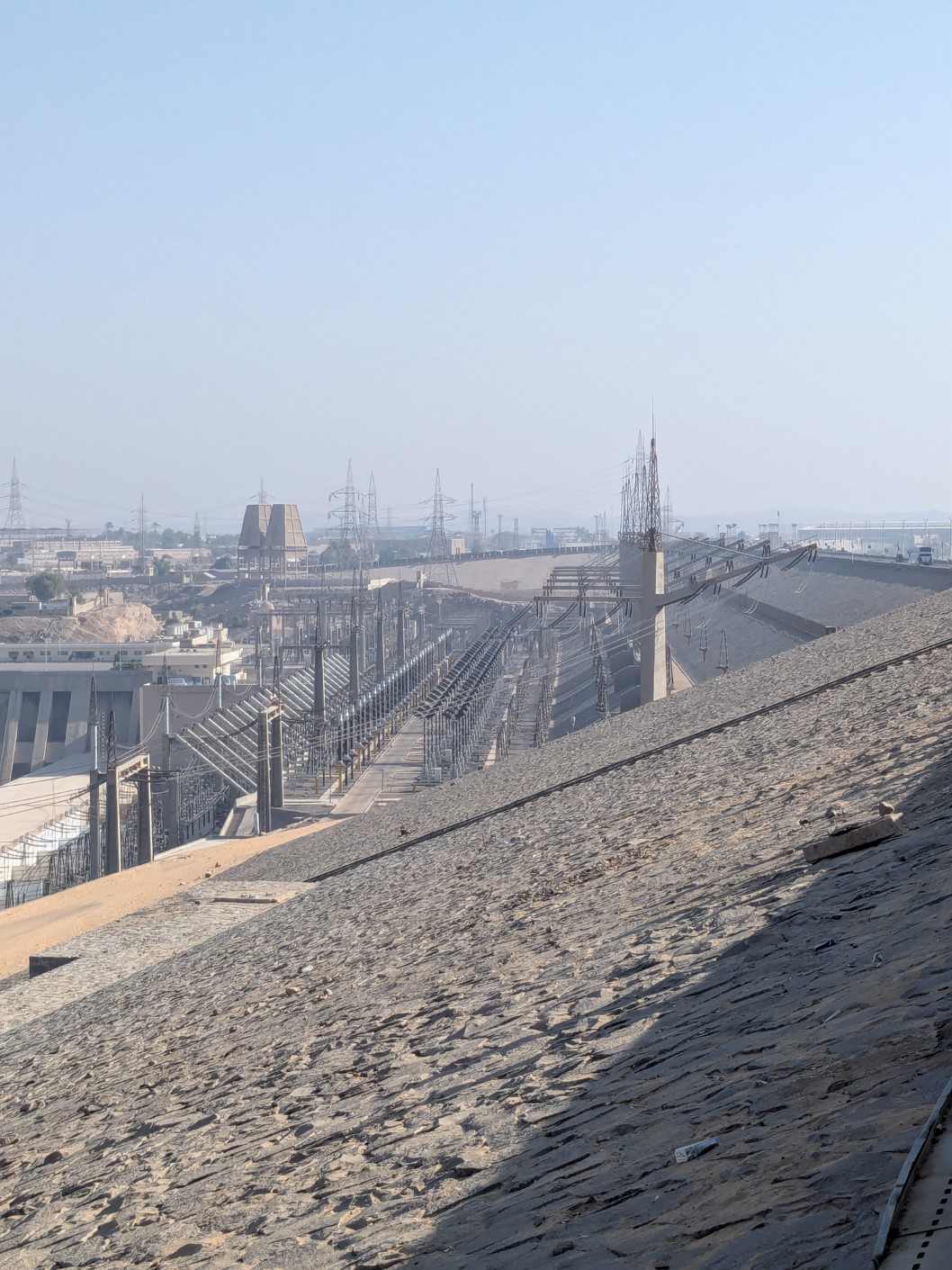
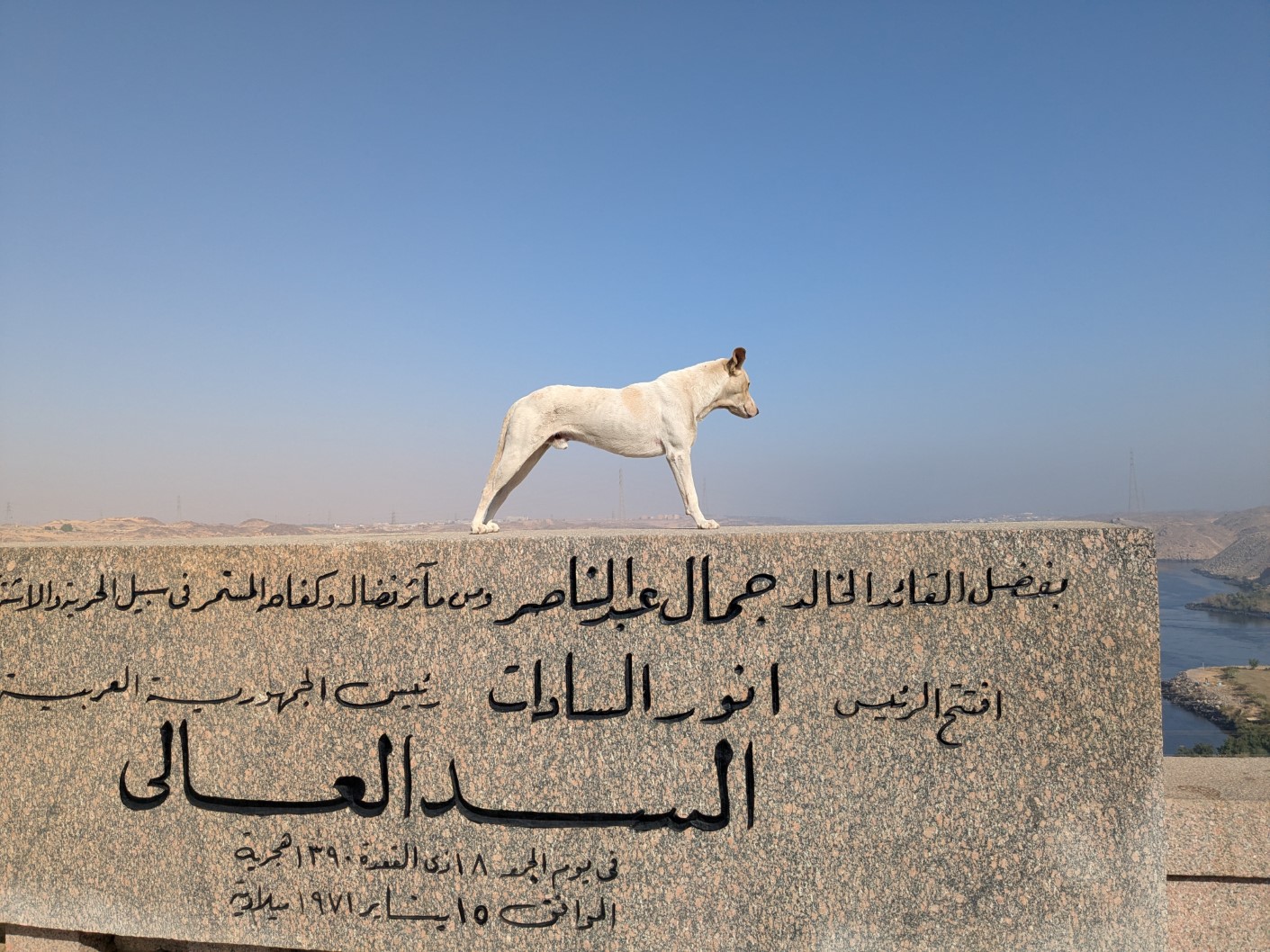
This was followed by the Aswan High Dam – which I’d learnt about in primary school. It was completed in 1970, and is critically important to Egypt for water control, and the generation of hydro-electric power. Its construction also resulted in the creation of Lake Nasser, which is one of the world’s largest man-made lakes, looking like an ocean at times, as some areas span a width greater than 13 kilometres. The dam itself wasn’t an actual dam – with a high wall like I expected – but was more like a huge bridge, with the turbines visible near it. Importantly, the construction of the dam prevented crocodiles from the south from migrating further north into Egypt.
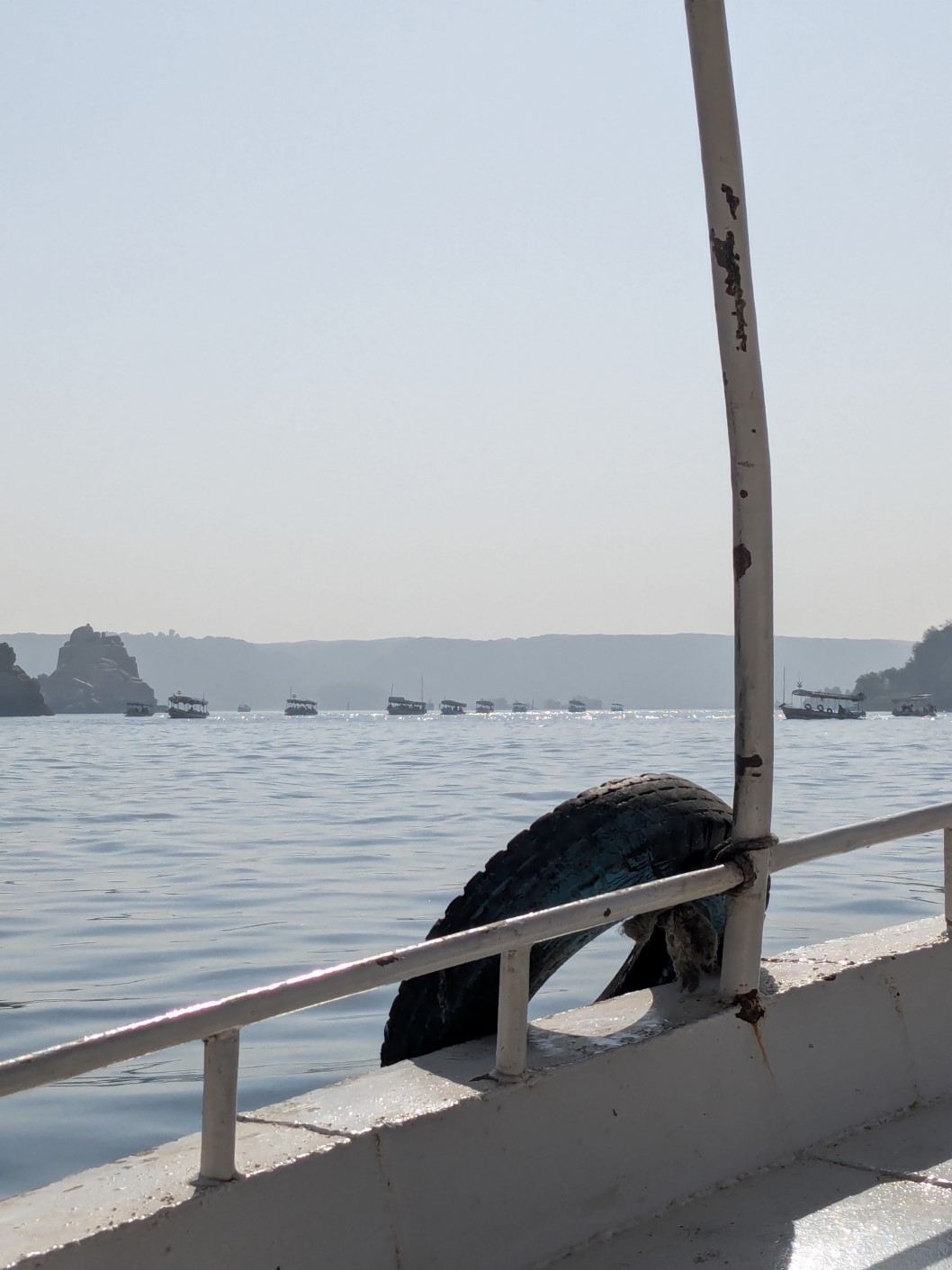
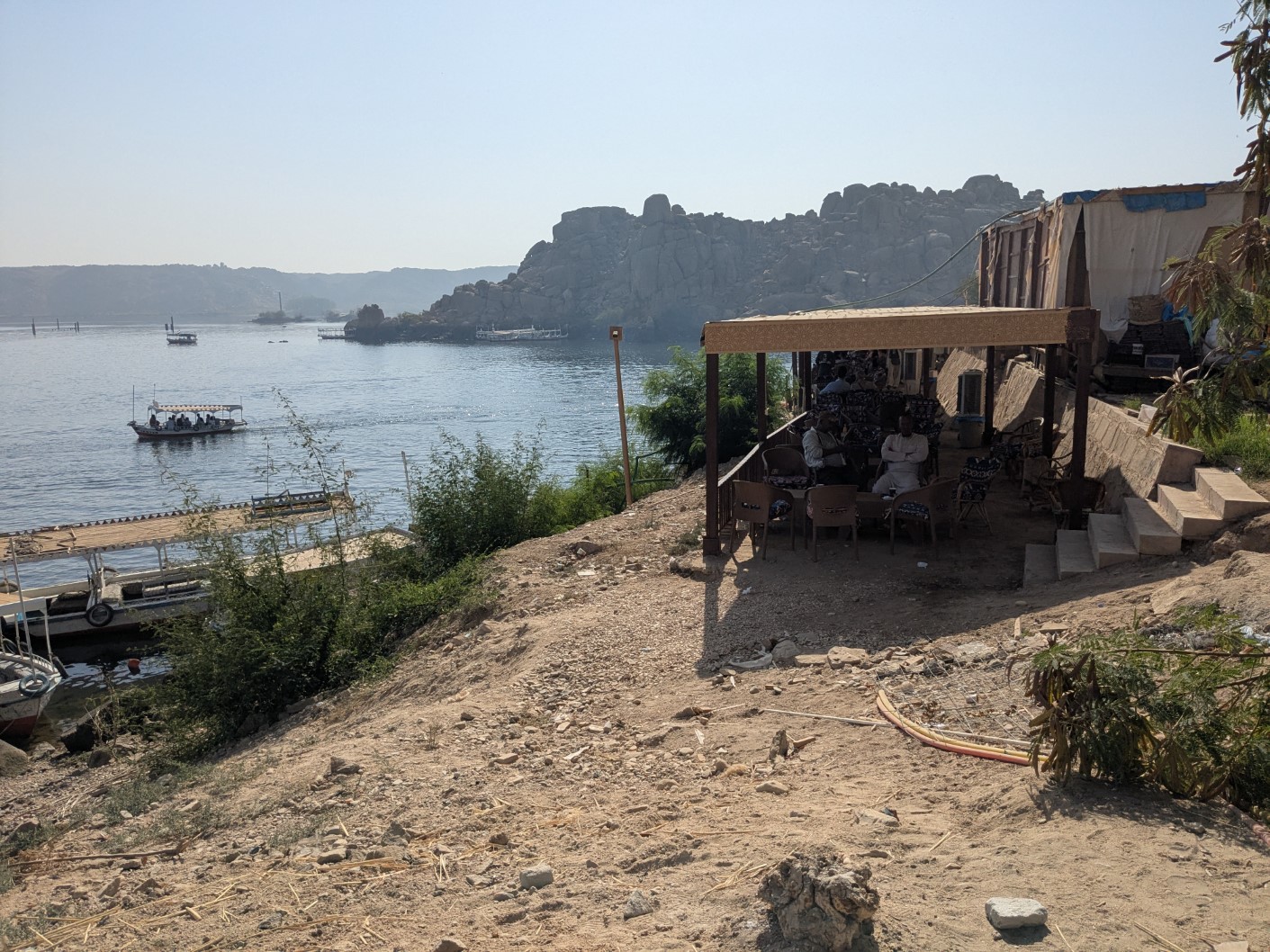
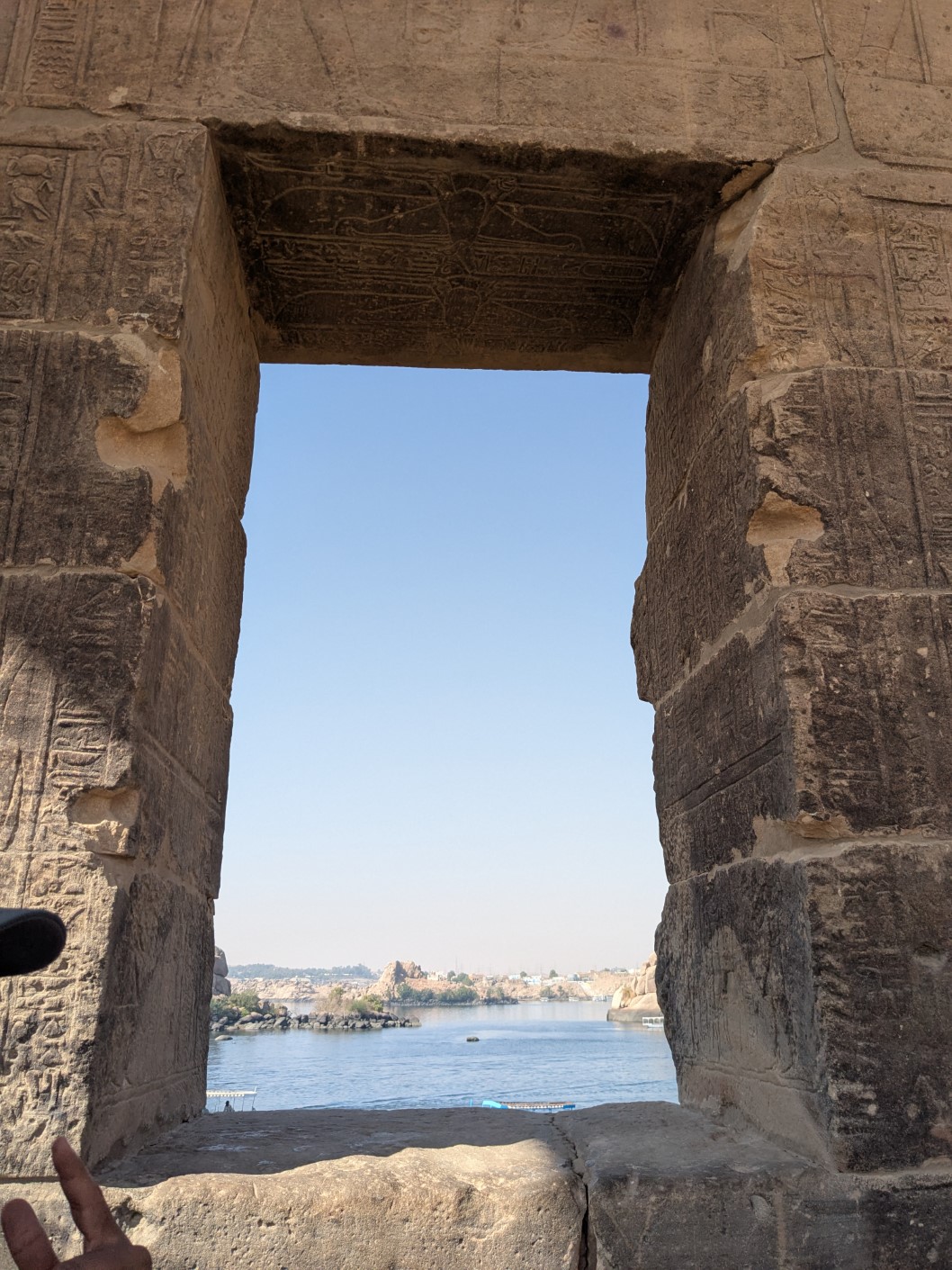
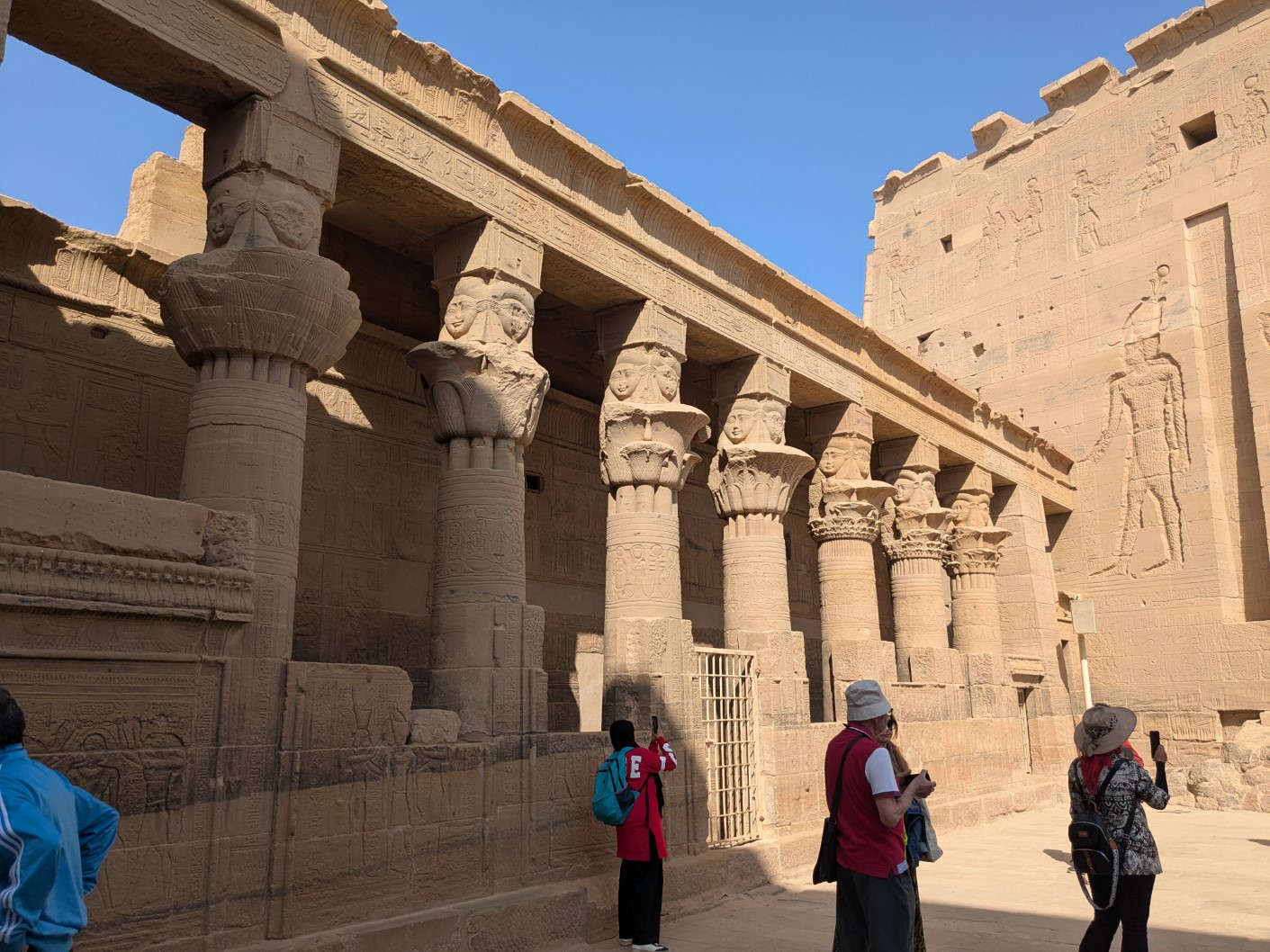
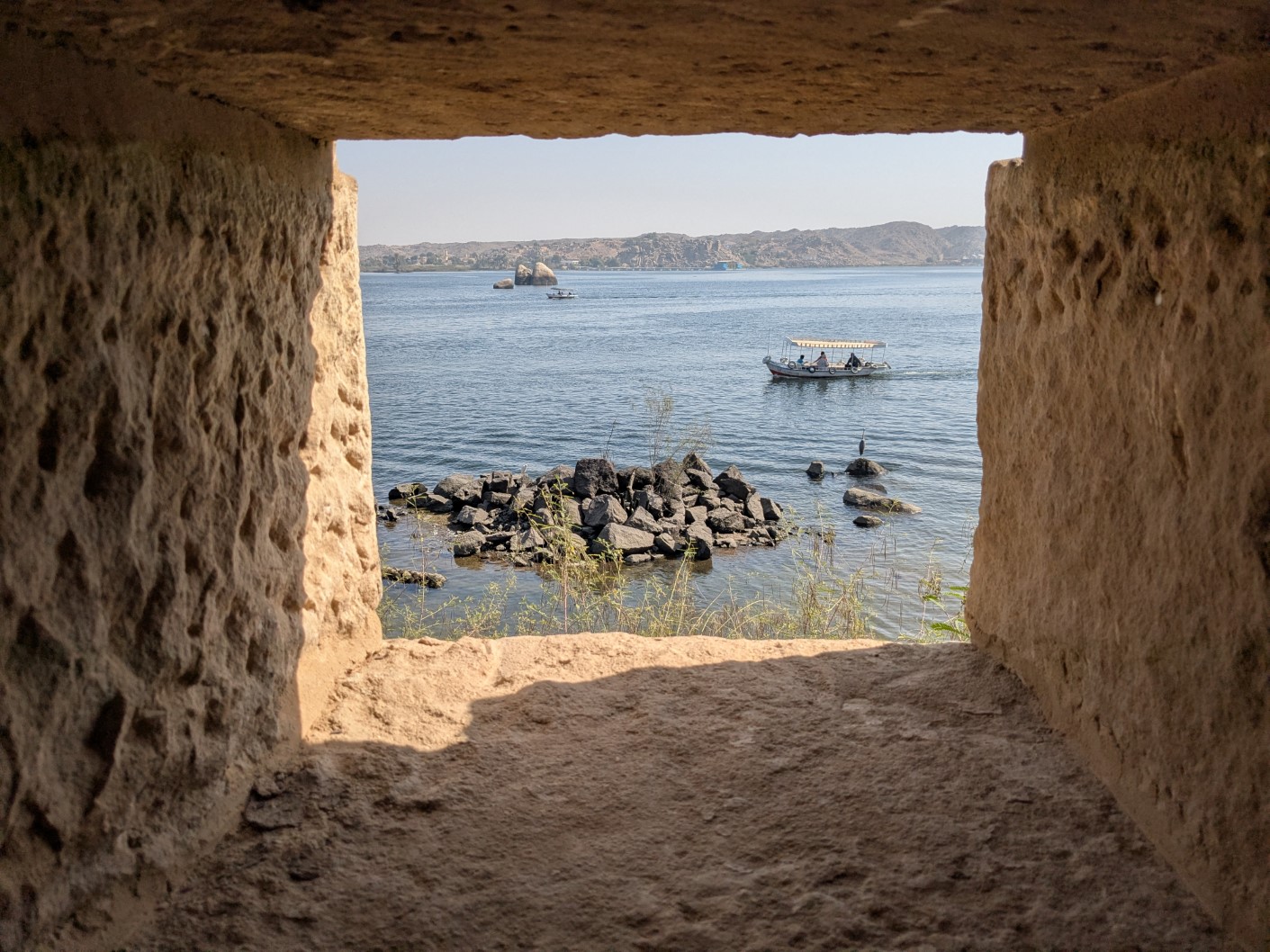
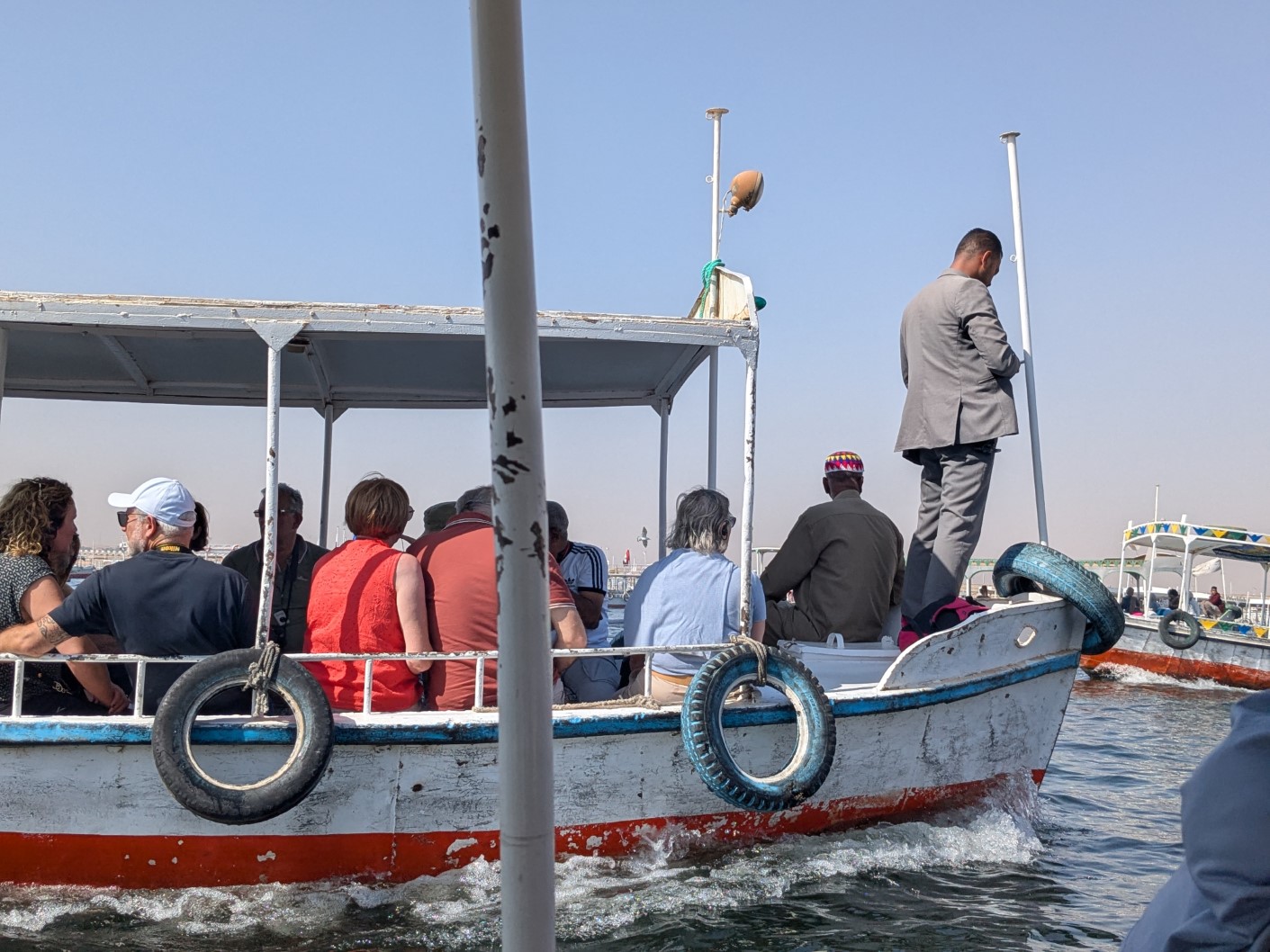
Our last stop was the island-based Temple of Philae, which we travelled to on a short boat ride. It was the first time we got close enough to touch the water of the Nile (at our ports, we were too far to reach, and the water was filthy anyway) – significant because the spiritual origin of the Nile (as well as the Euphrates) is Paradise (read about that here, or watch a video here).
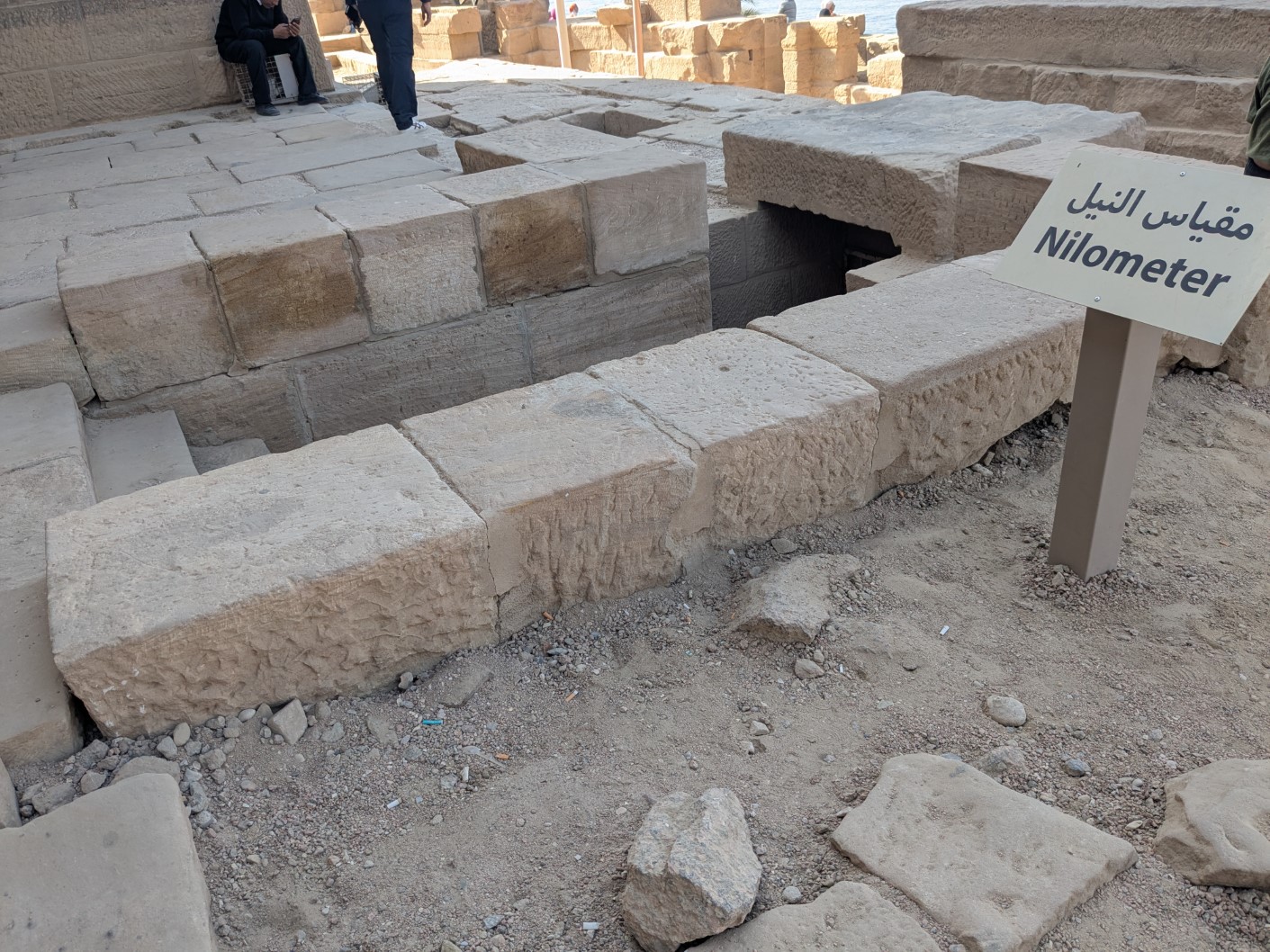
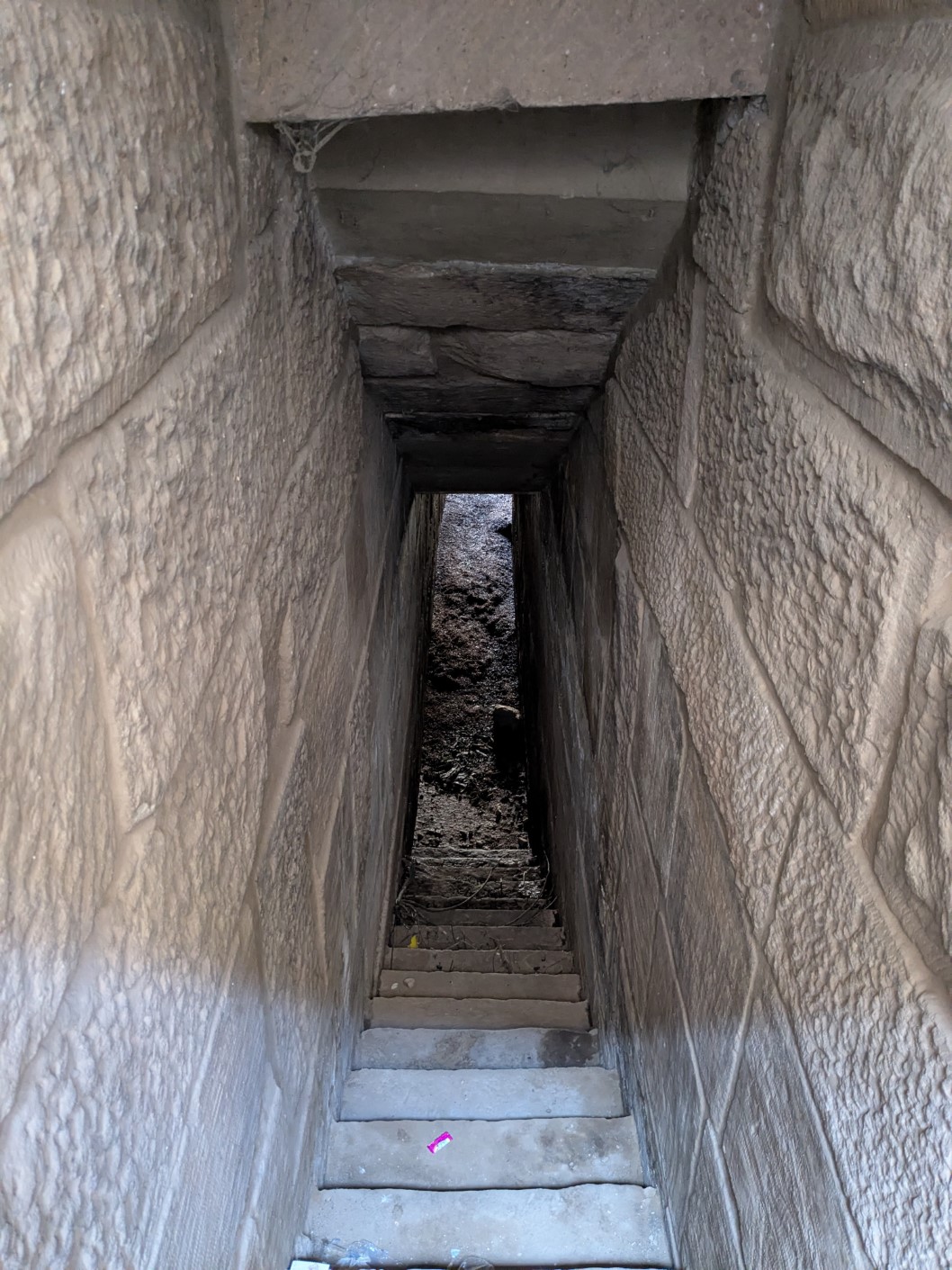
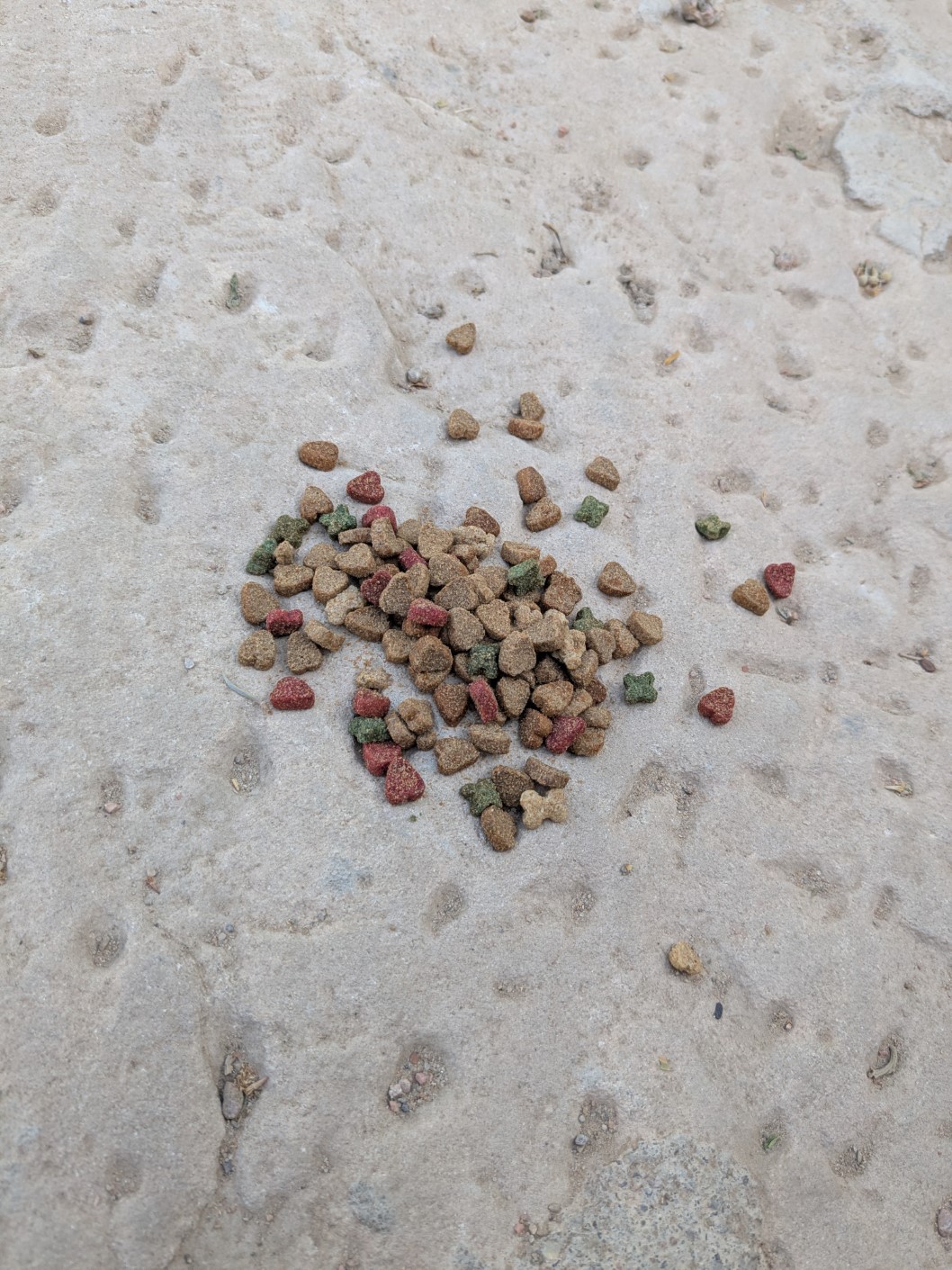
Although it was yet another temple, this one felt much cooler because of the views, a mechanism that measured the level of the Nile, and the unusual number of cats on the island.
So long, Aswan
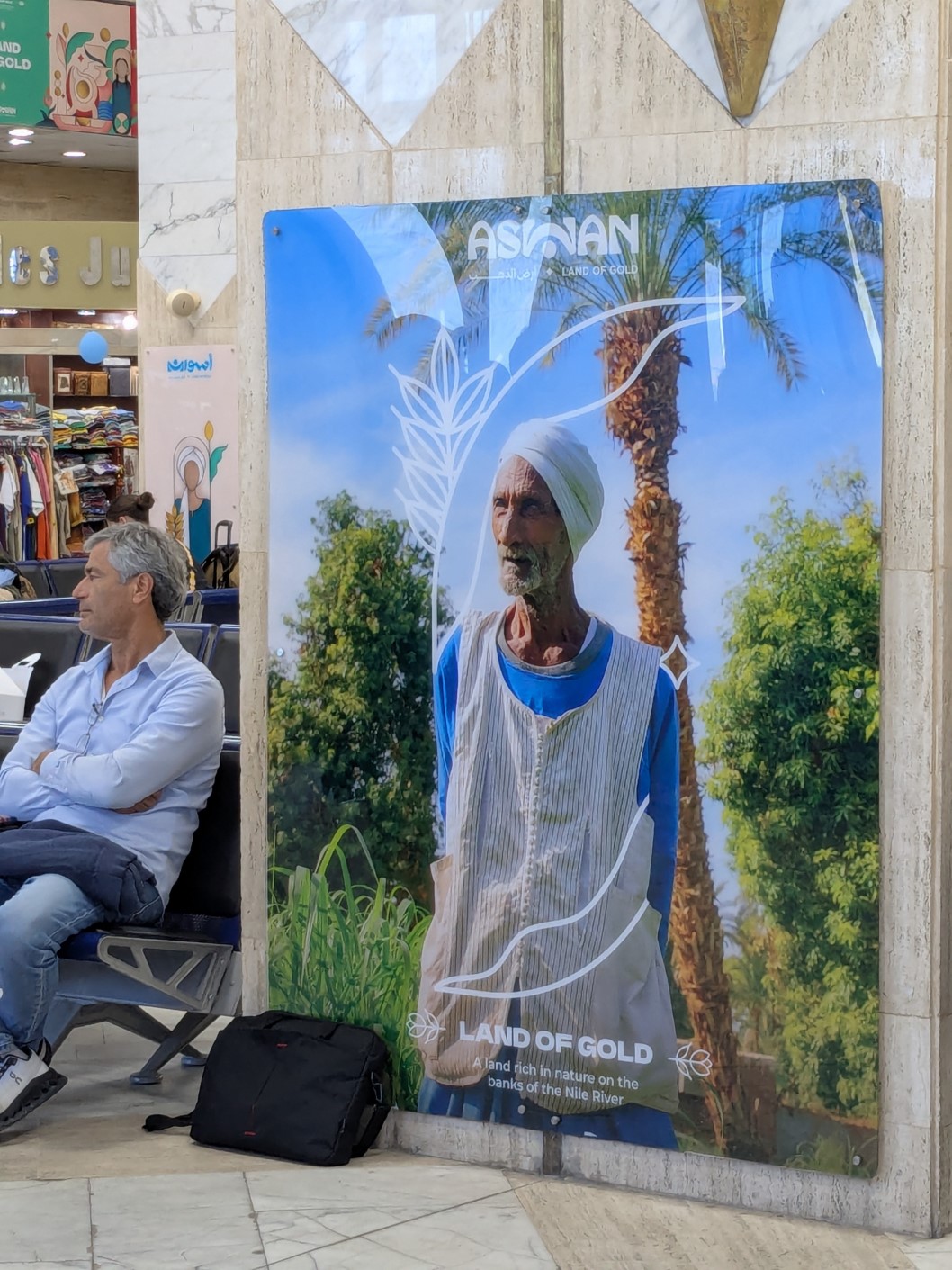
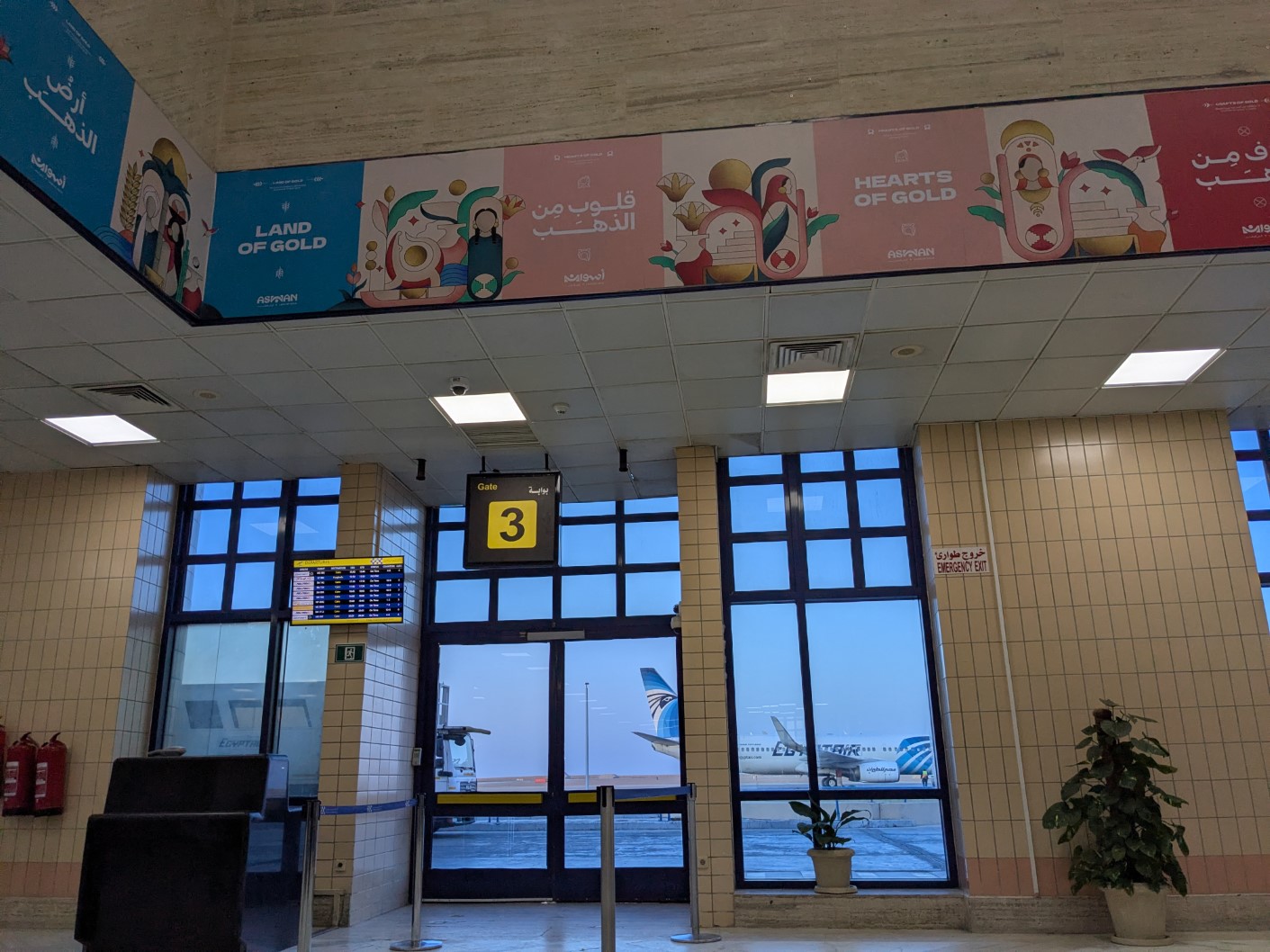
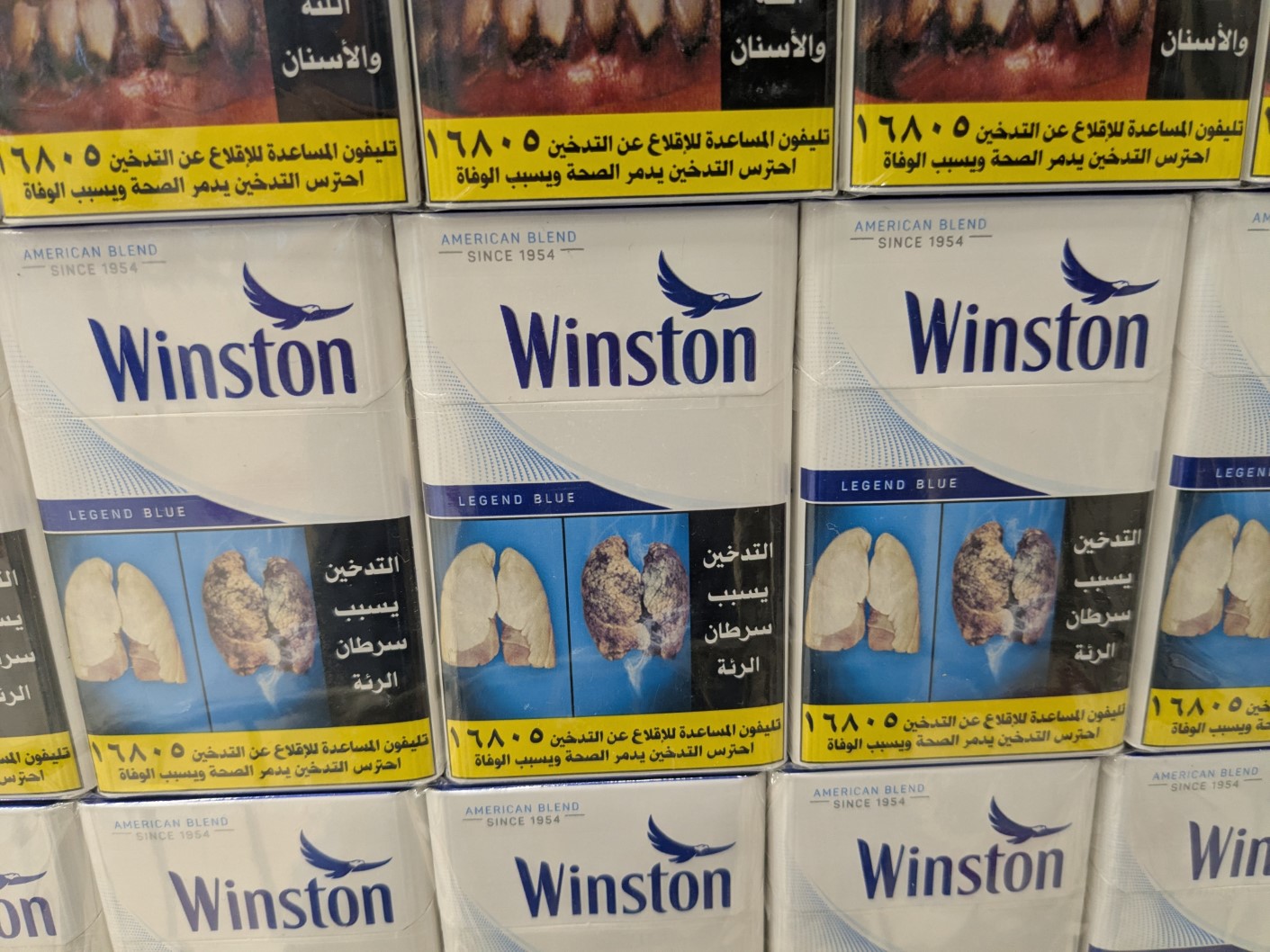
That afternoon, we bade farewell to our gracious guide, who had grown on me by then despite our rocky start. We packed that evening, ahead of another early morning in which we’d fly back to Cairo. What struck me at Aswan’s airport was the contents of the duty-free shop, which held an inordinate volume of cigarettes. And with that, off we headed back to Cairo, for our final day and a bit before the long journey home…
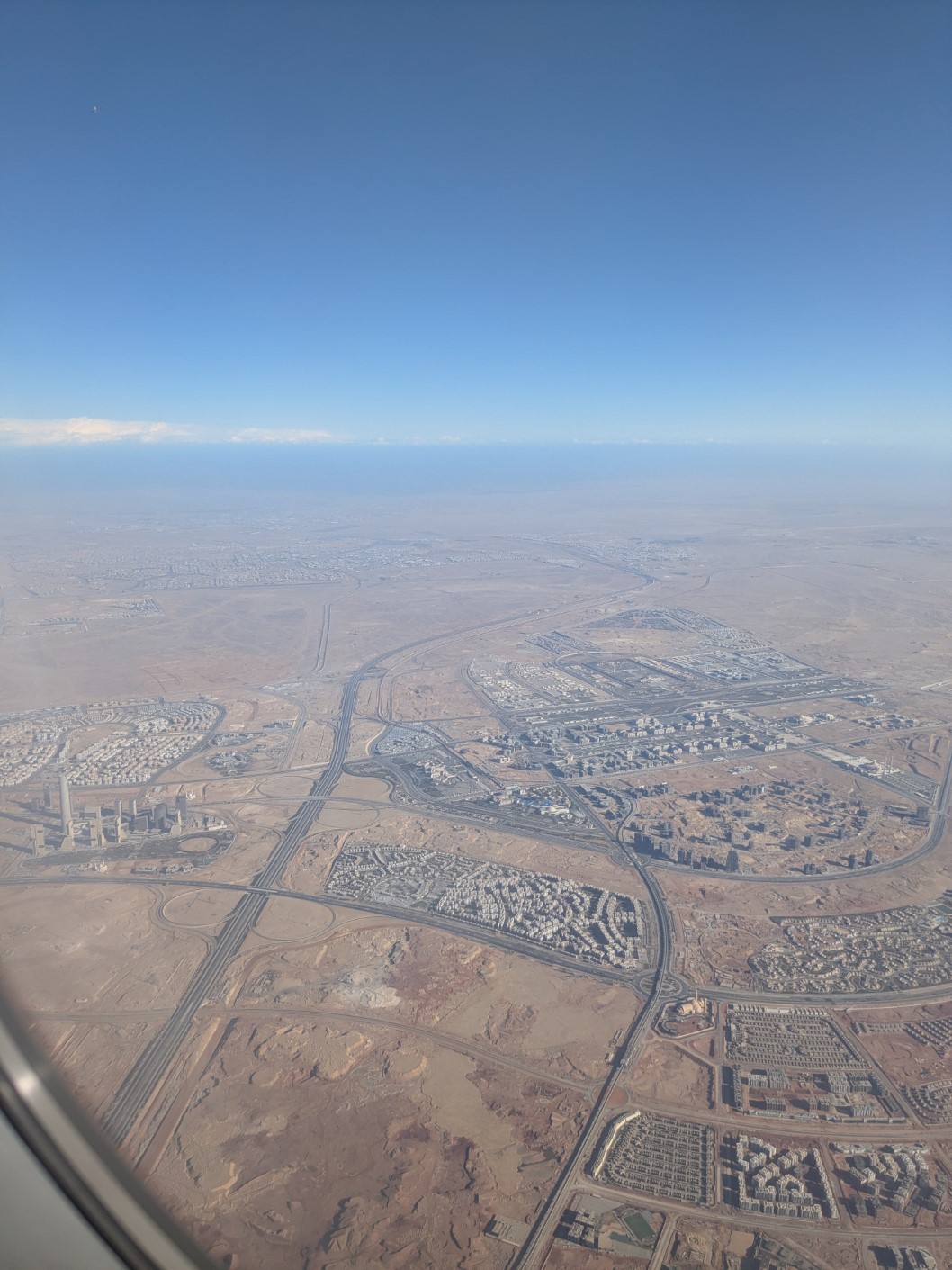
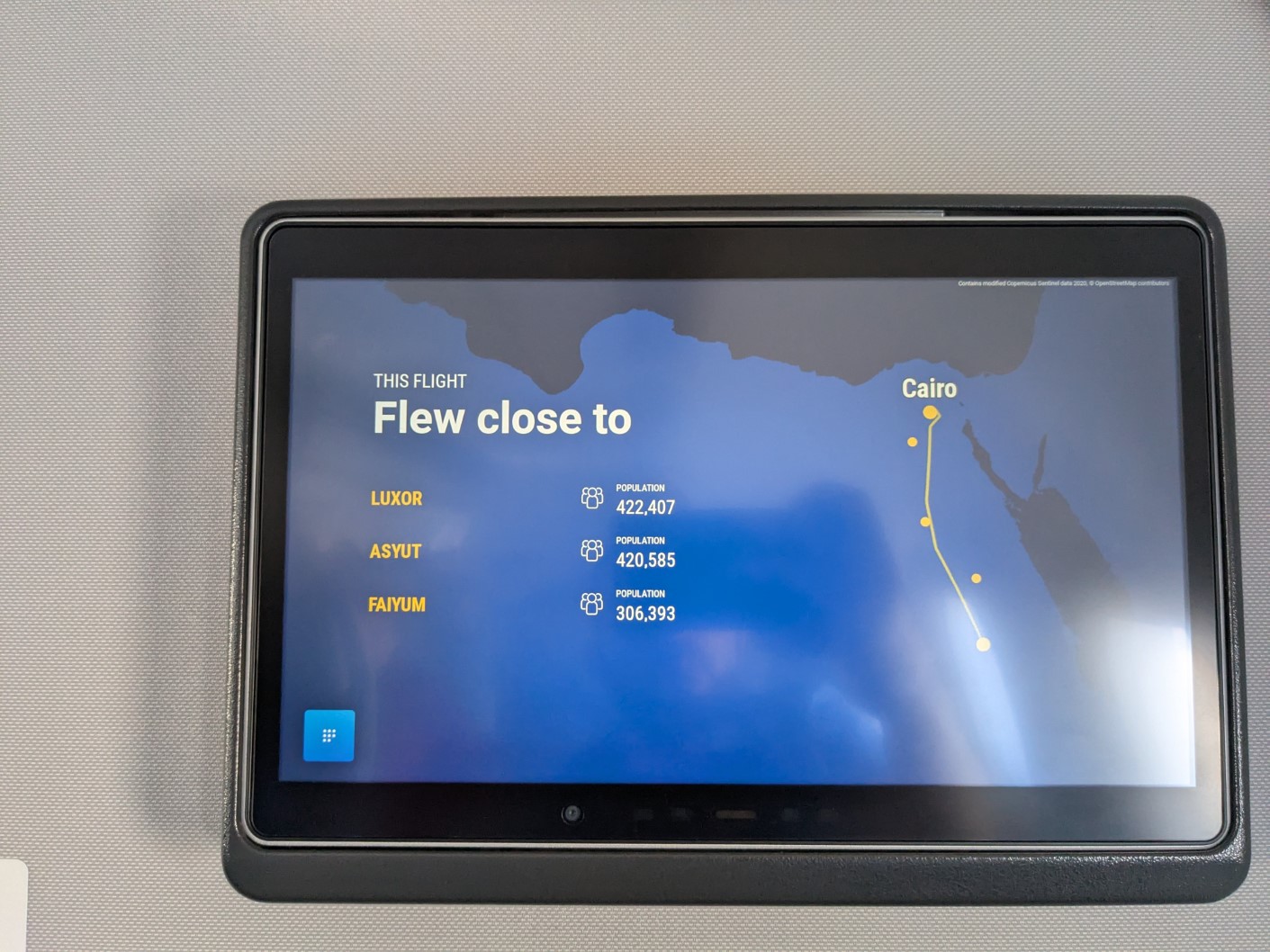
To be concluded in the next part... (and all posts in the series will eventually be available at this link).
 slip-sliding away.....
Wow, Yacoob, what a glorious, jam-packed adventure. Your older daughter will likely have lovely memories of sailing on the Nile and visiting such interesting historical sites.
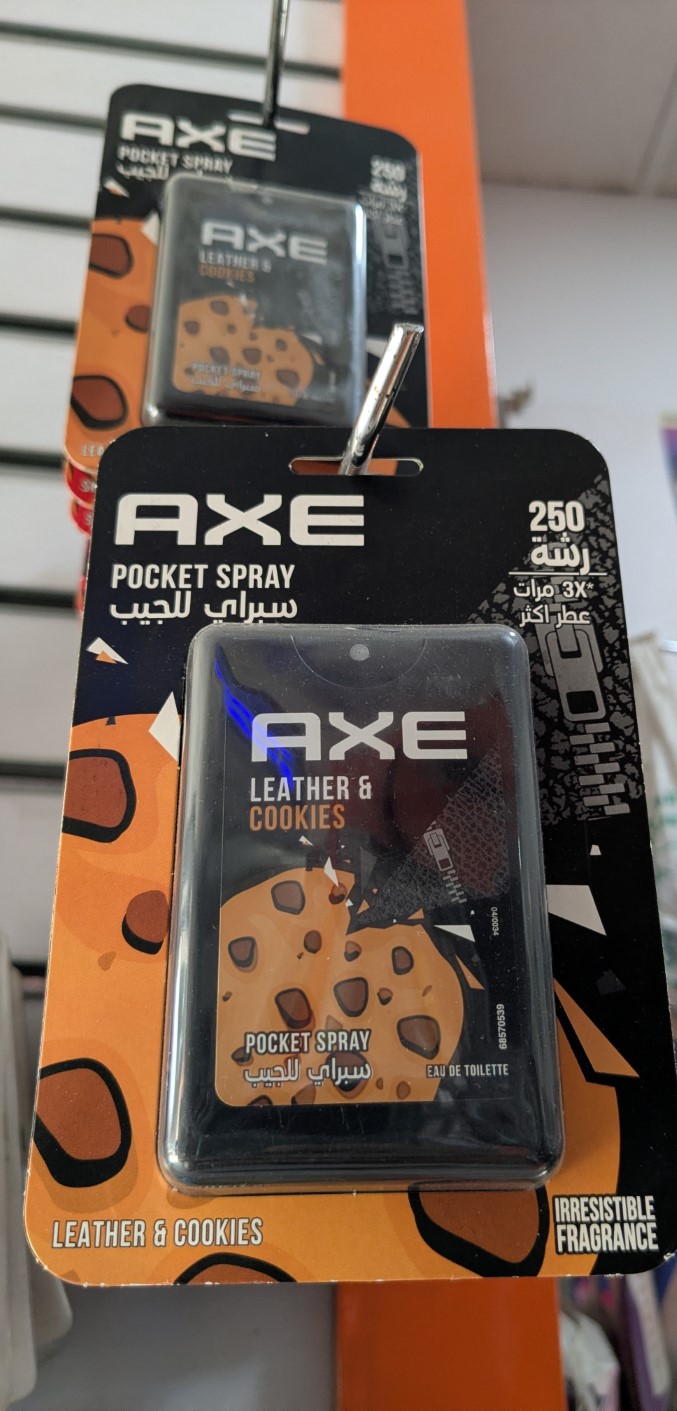
Another interesting writeup, Yacoob. I enjoy the honesty and humor you bring to your travelogues, along with your attention to detail (Leather & Cookies pocket spray? Who knew?). Having written about my travels, I know how hard it is to produce the kind of material that is both informative and entertaining, while also providing the kind of local color that separates the best travel writing from the rest. You really pull this off. I hope you can document more of your travels and even anthologize them in a book. 🙂
Thanks, Vance. I actually never really thought about travel writing, but working on this series has awakened the idea, and I’d certainly like to give it a go if I get to travel again. Not sure if I’d ever have enough to make a book, but your suggestion did push me to pull together my travel-related stuff into a single page (https://dreamlife.page/anywhere-but-here). Mostly, they’re picture posts, with only a few narratives. But if I had a good enough memory (or if I’d been keeping diaries throughout my life – which is a regret nowadays), I could probably have added a lot more stories…
To get more material, you just need to travel more :). Although I know that with families to support, it’s not so easy or cheap.