Previous entries in this series:
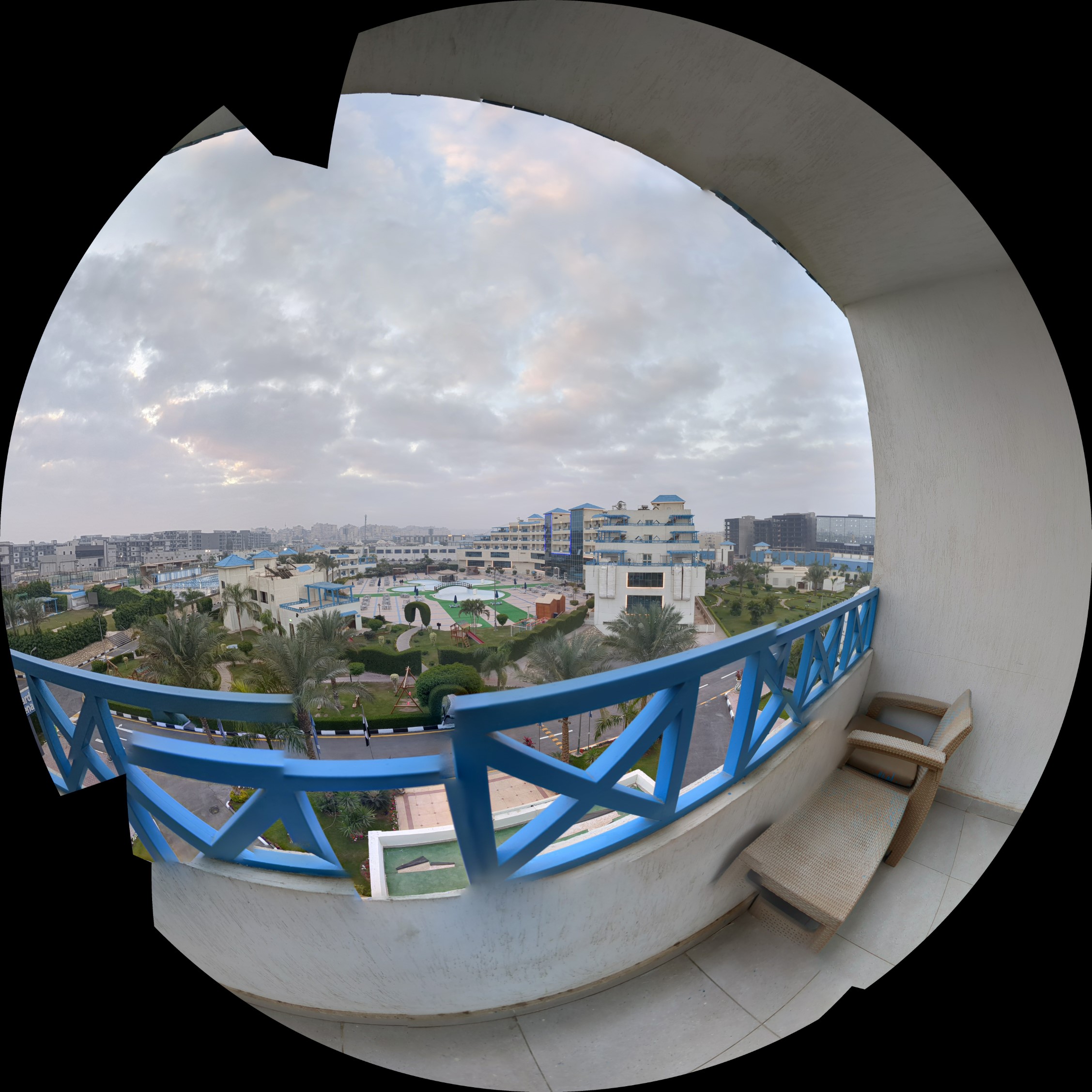
After our 4-day Nile cruise, we flew back to Cairo on a Friday morning, and once we arrived, we checked back into our previous hotel (which felt like home), though we got different rooms this time.
We then planned a busy afternoon where we’d make the most of our remaining time.
Whistlestop tours
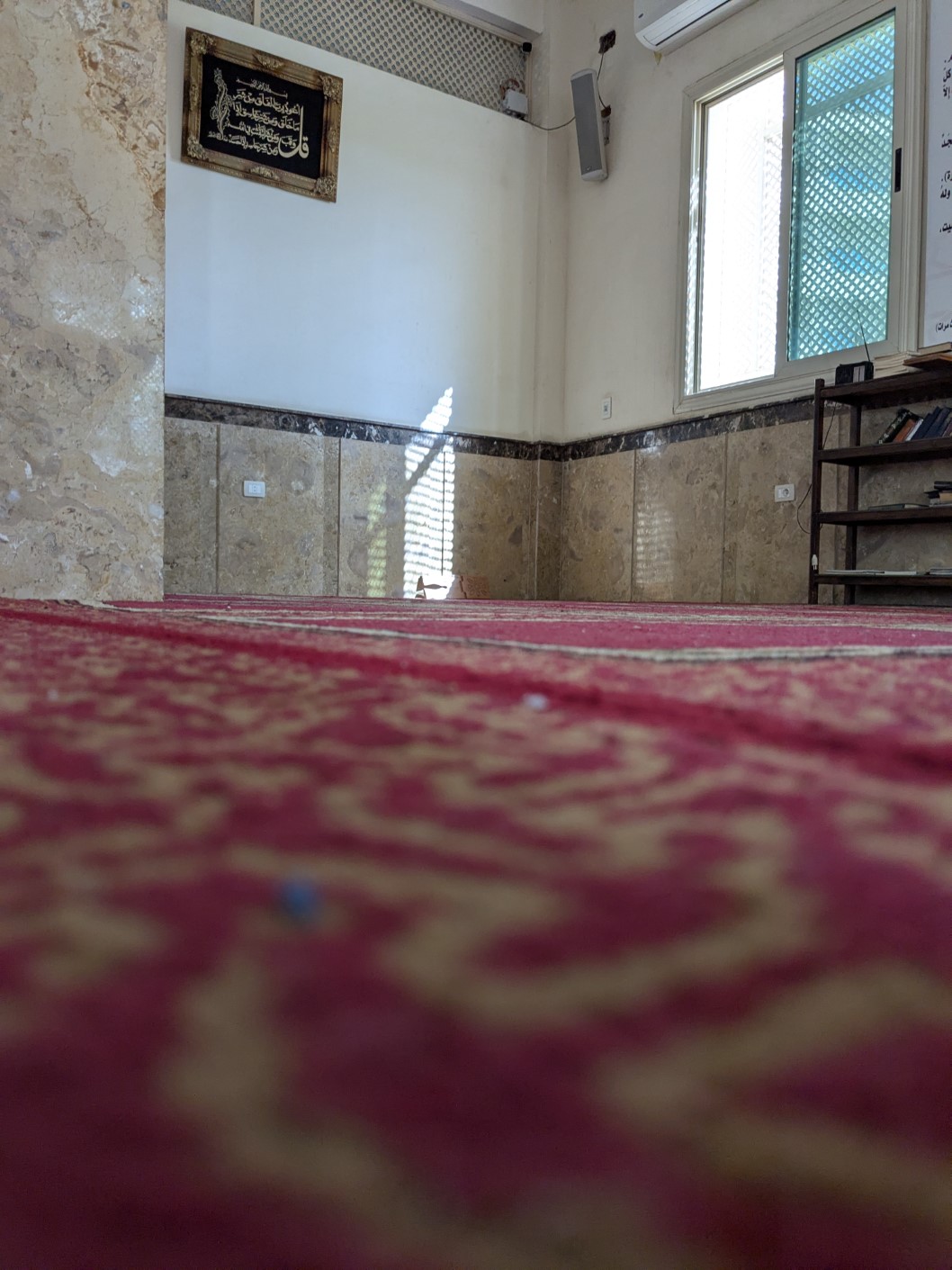
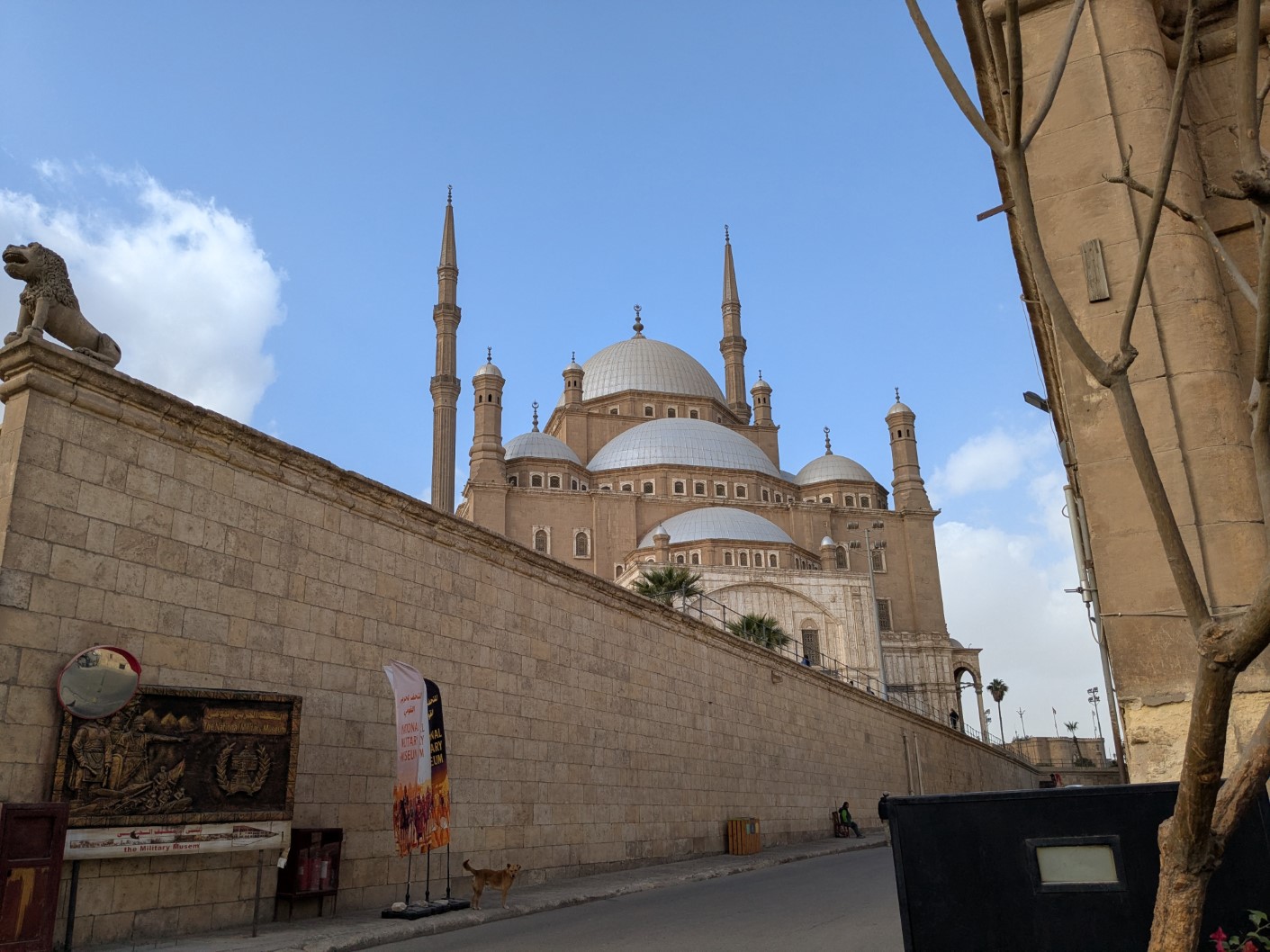
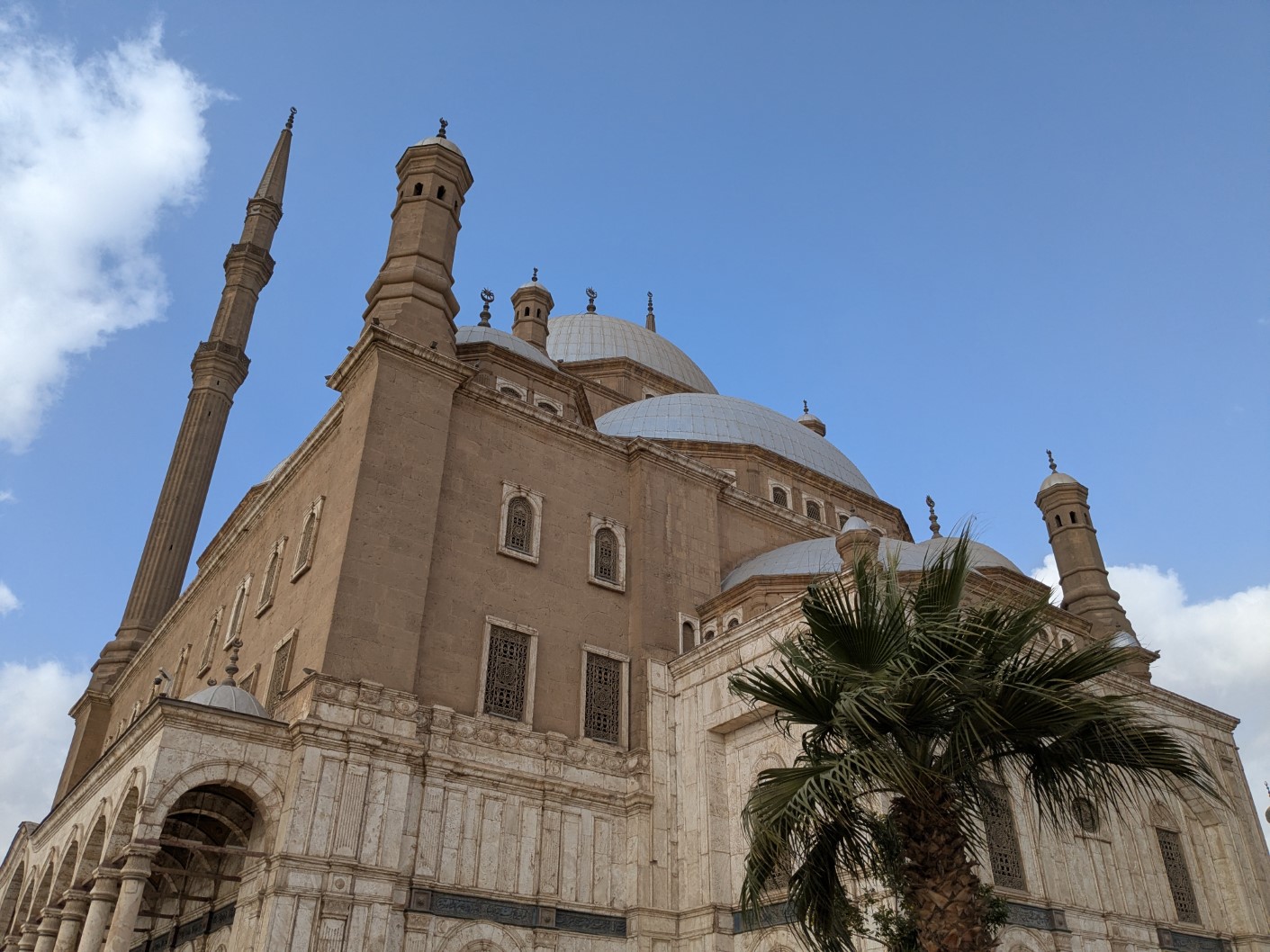
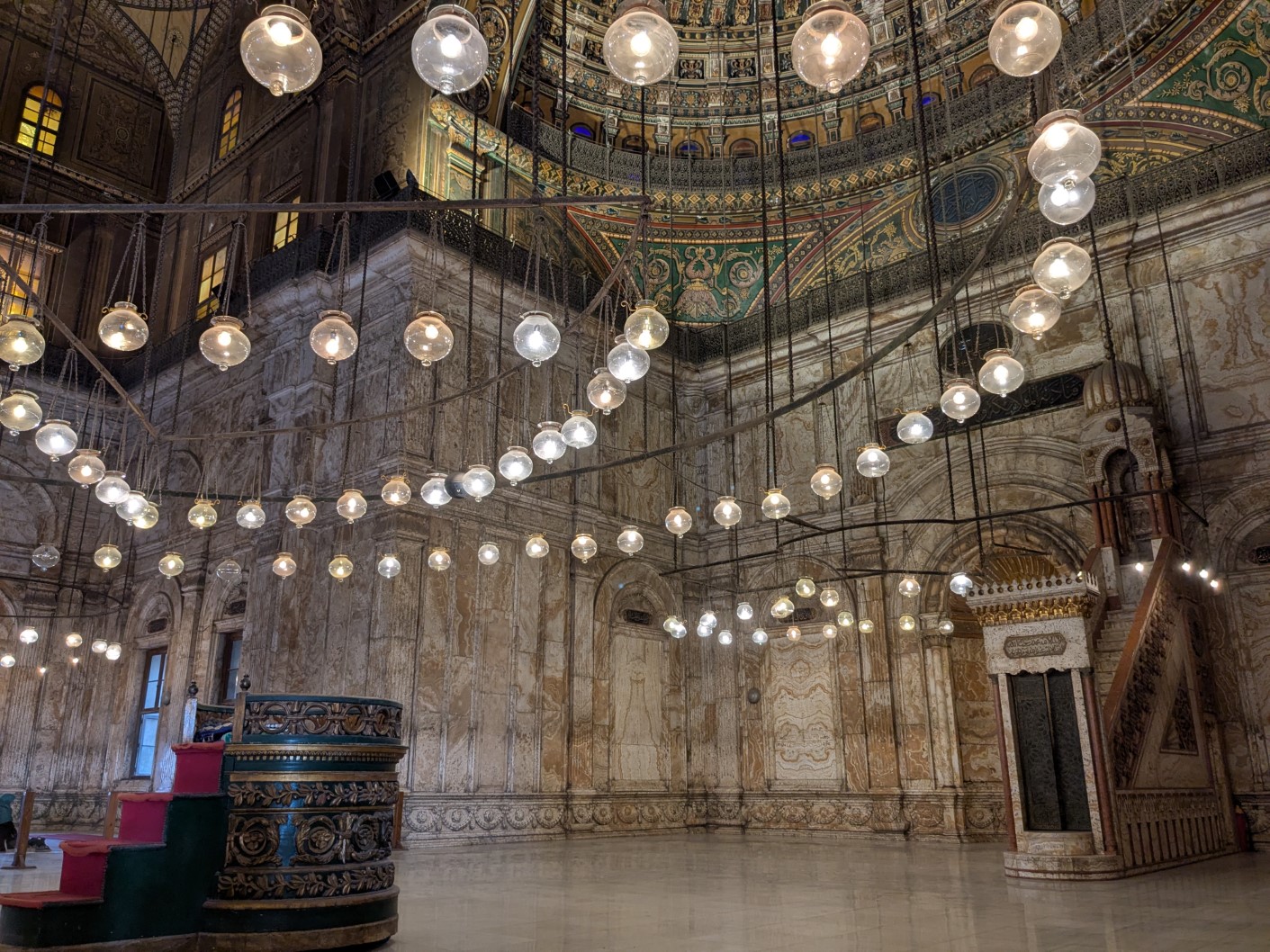
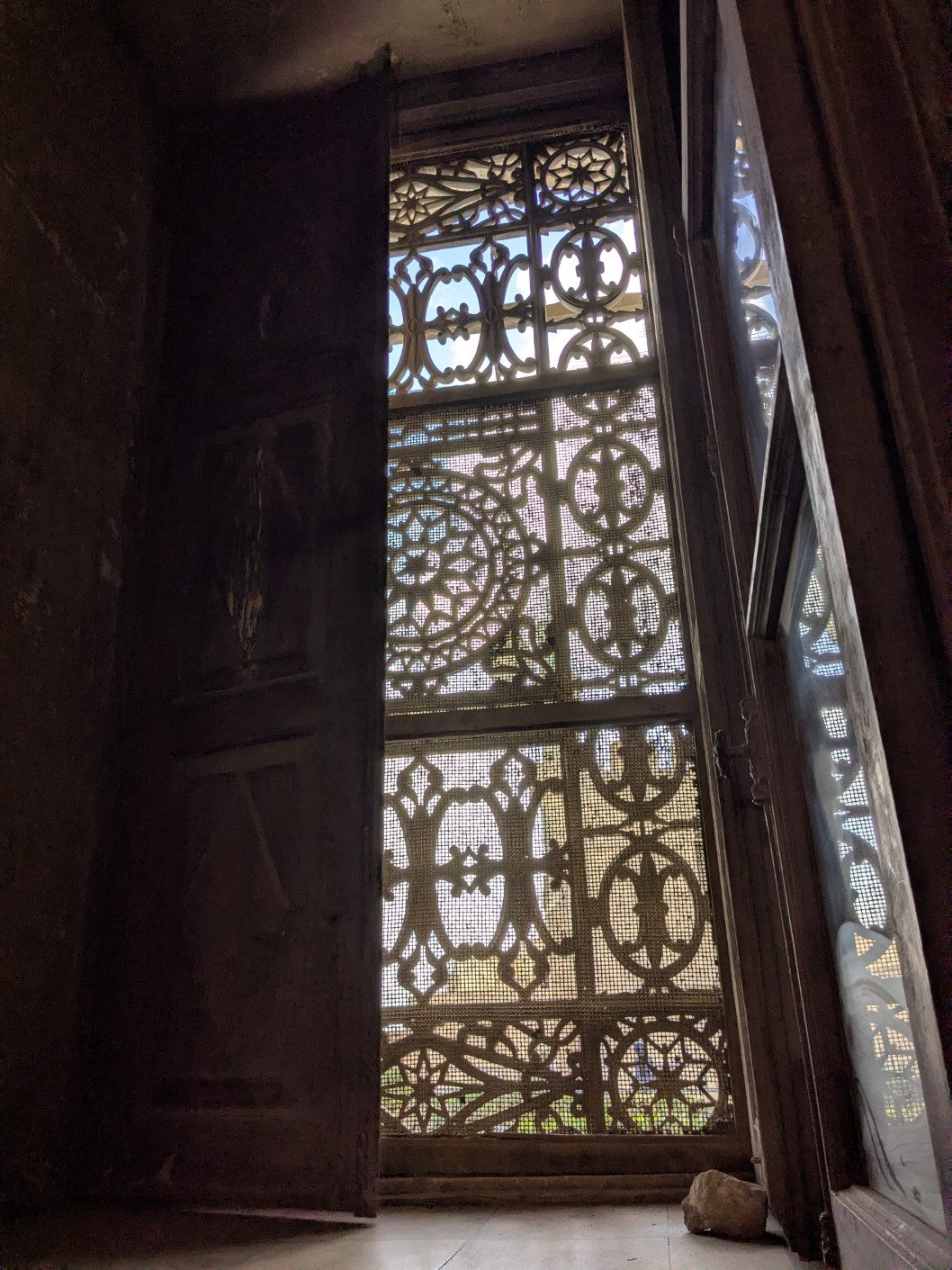
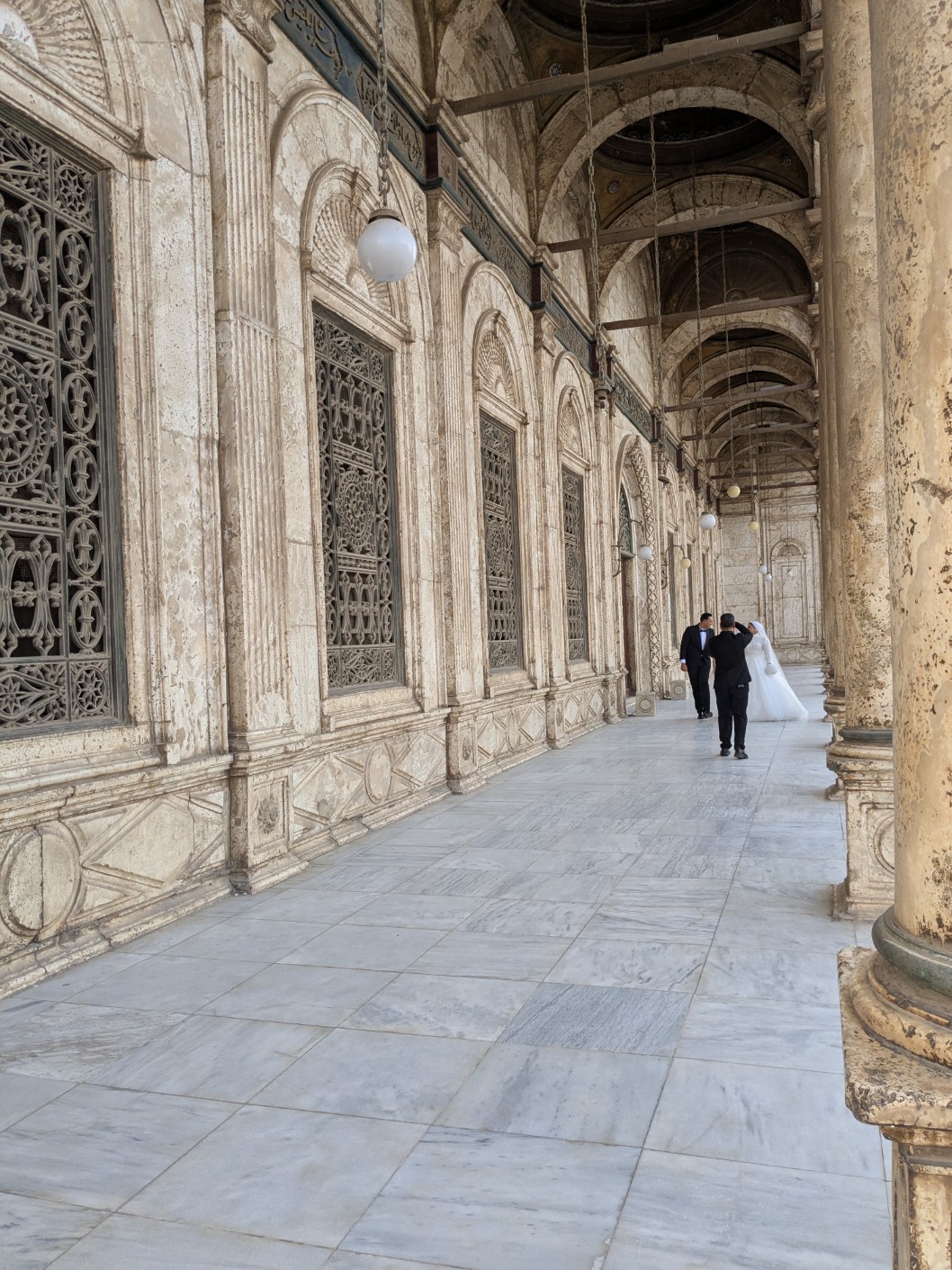
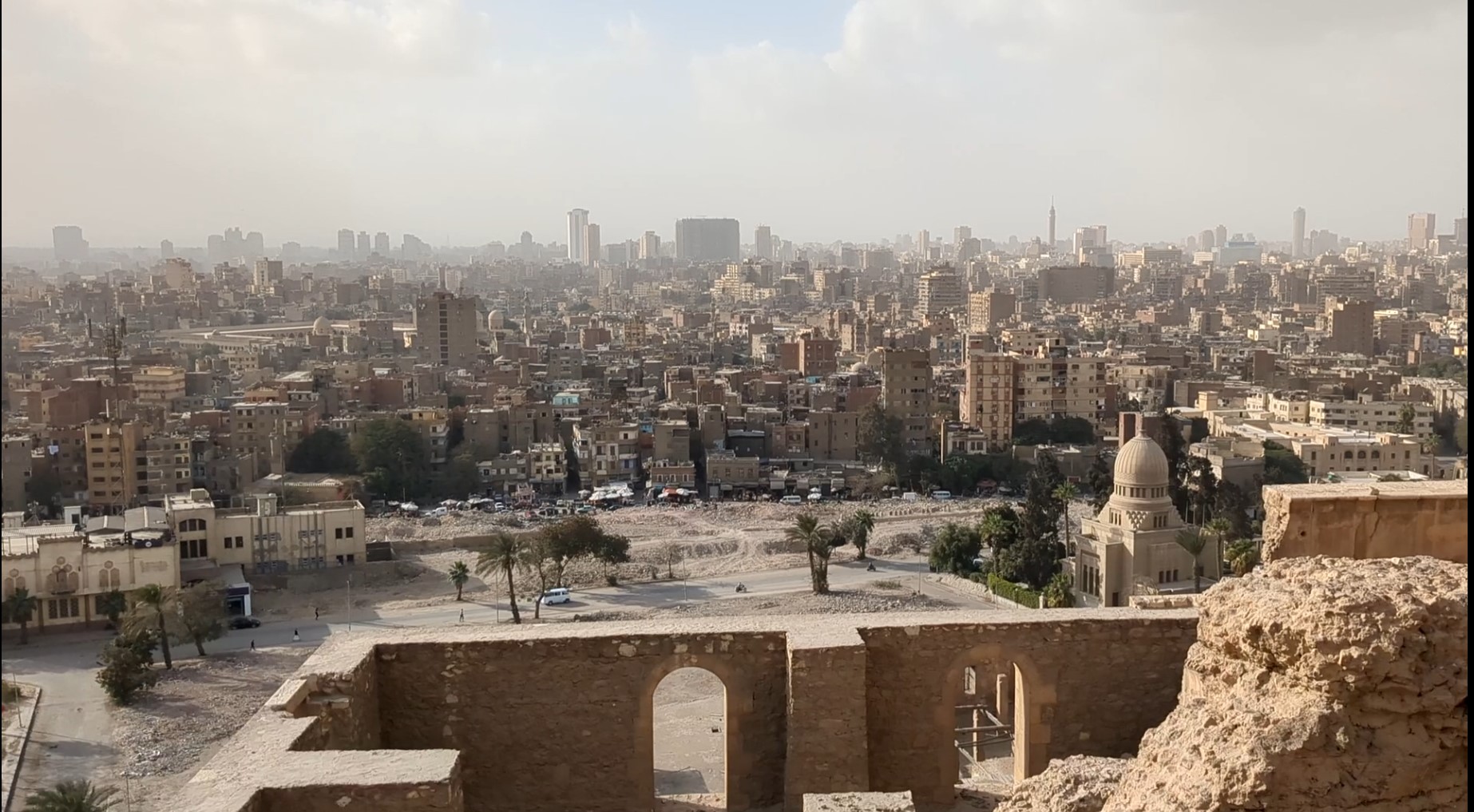
First up was the Citadel of Salahuddin Ayyubi – an important military fortress built in the Middle Ages. A tour guide would have been very useful, but we were on a tight schedule, so perhaps it was for the better that we didn’t have an expert with us. Our focus there was mostly the magnificent Ottoman-styled mosque of Muhammad Ali Pasha – known as the founder of modern Egypt. The place itself is more of a tourist attraction nowadays than a place of worship, so it was sad that the late afternoon prayer in the mosque was restricted to a small, dusty area. The views from outside were incredible, though, which made sense given that it is a popular spot for newly-married couples to take wedding pictures.
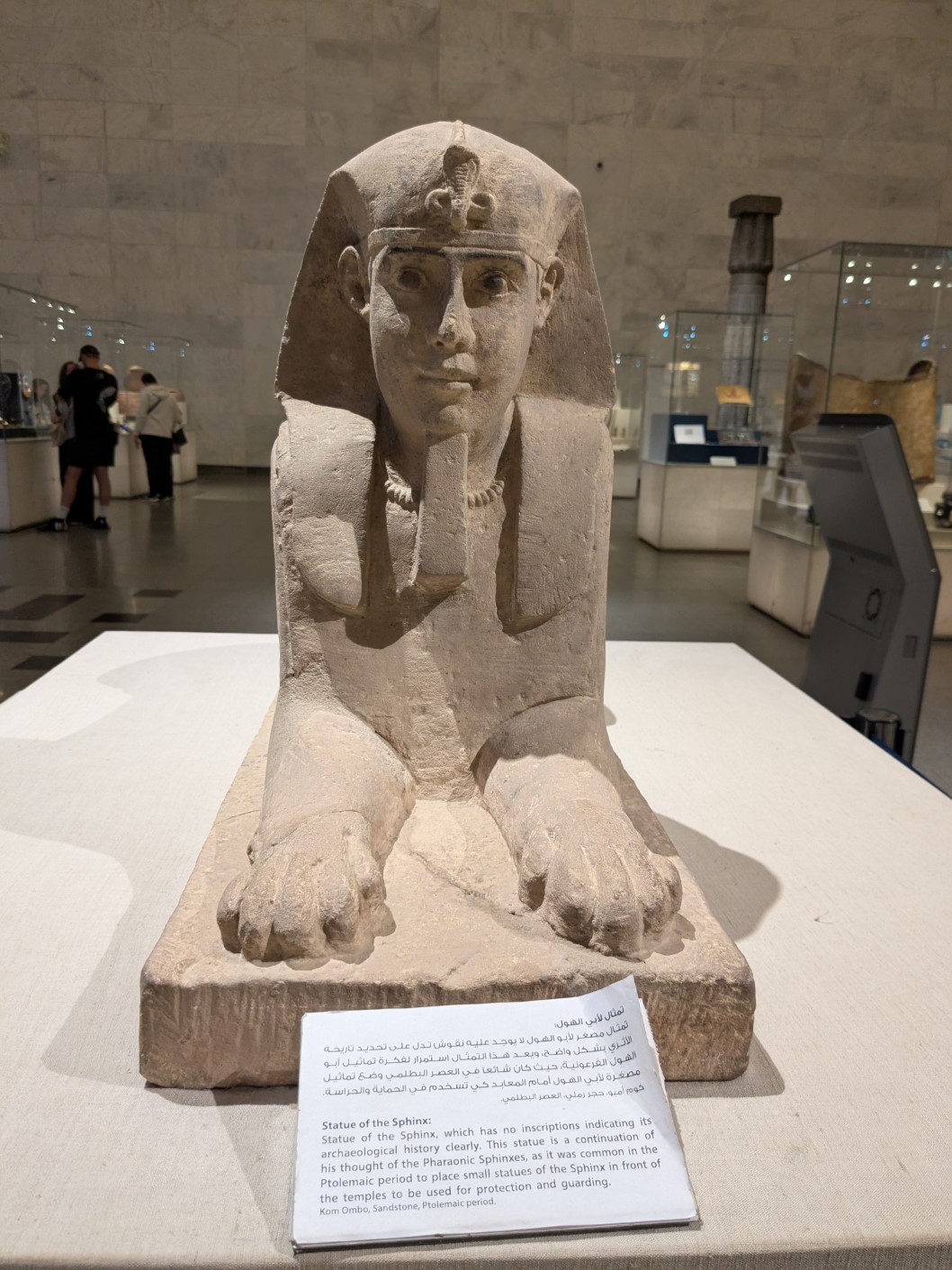
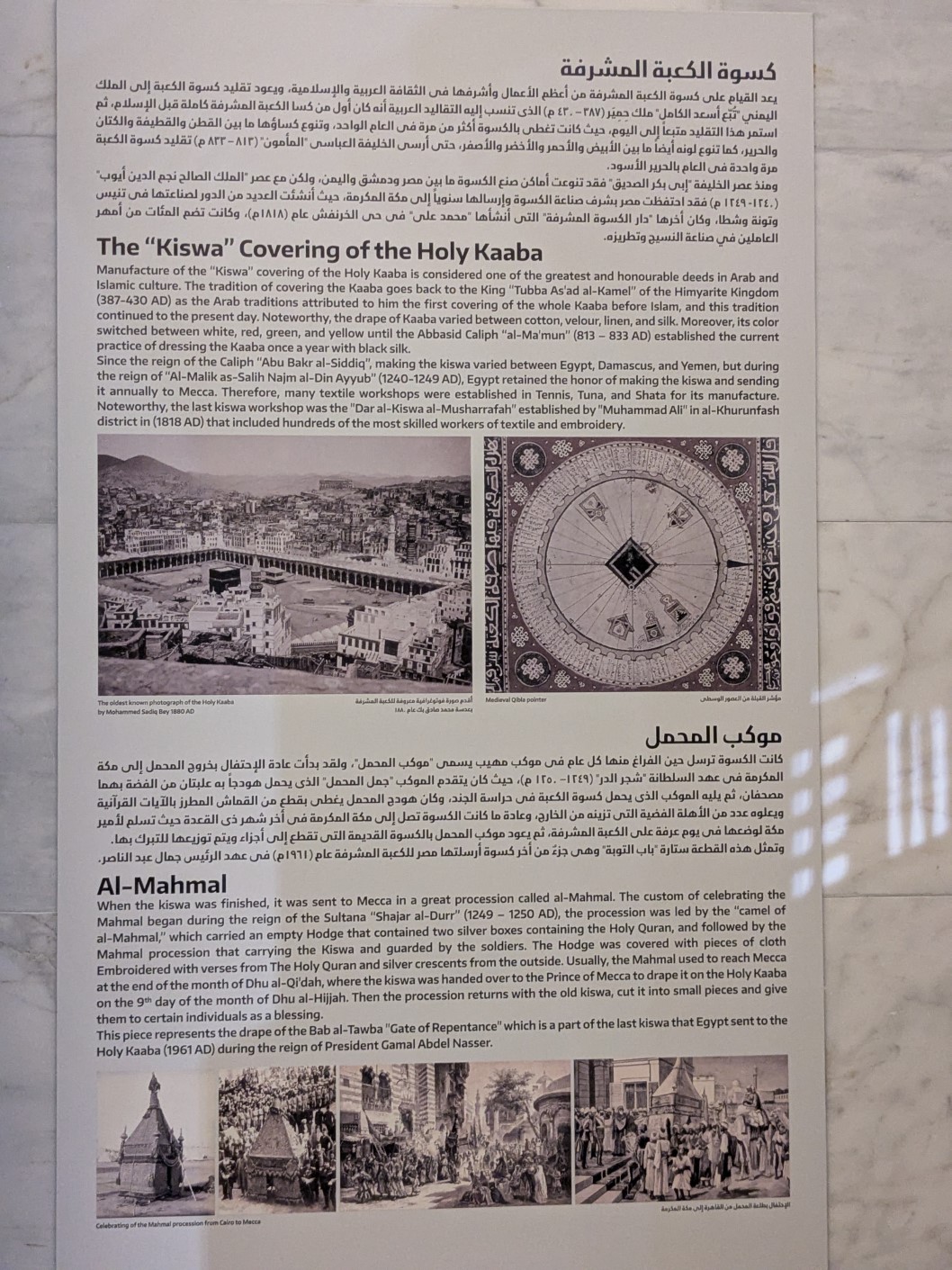
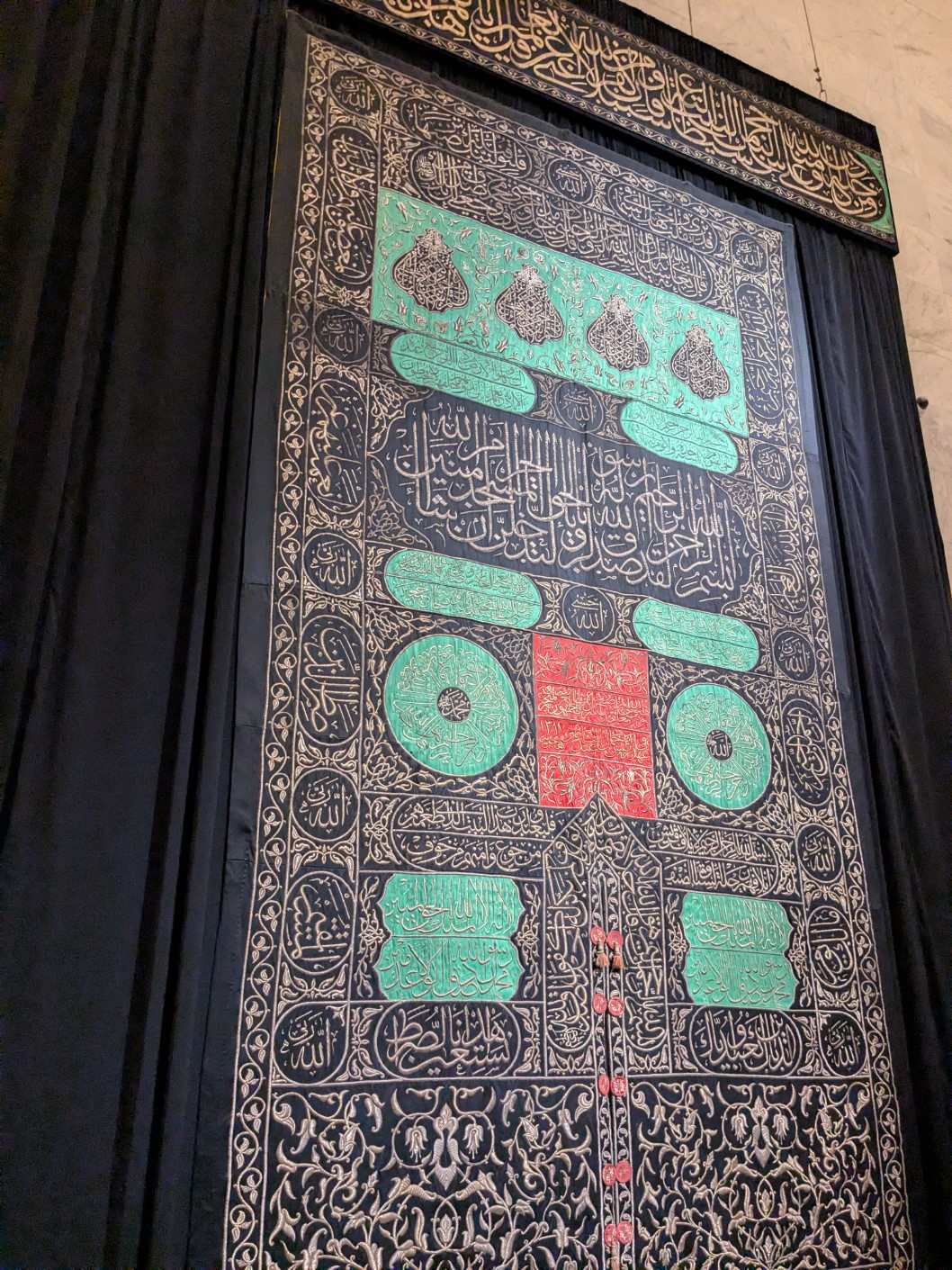
Next up was the National Museum of Egyptian Civilization, where the primary attraction was the Royal Mummies Gallery, which was dimly lit, with no photography allowed, and quietness enforced (so I have no photos to show). The area houses the mummies of 17 Kings and 3 Queens of ancient Egypt, including Ramses II, who some believe (though it hasn’t been 100% proven) was the tyrannical pharaoh at the time of Prophet Moses (peace be upon him). The bodies – however remarkably preserved – were gross, but seeing them like this – these kings and queens who ruled so grandly – should serve as a reminder to today’s tyrants of the fate that awaits them.
The museum did include other interesting exhibits, but we didn’t have enough time to do justice to them.
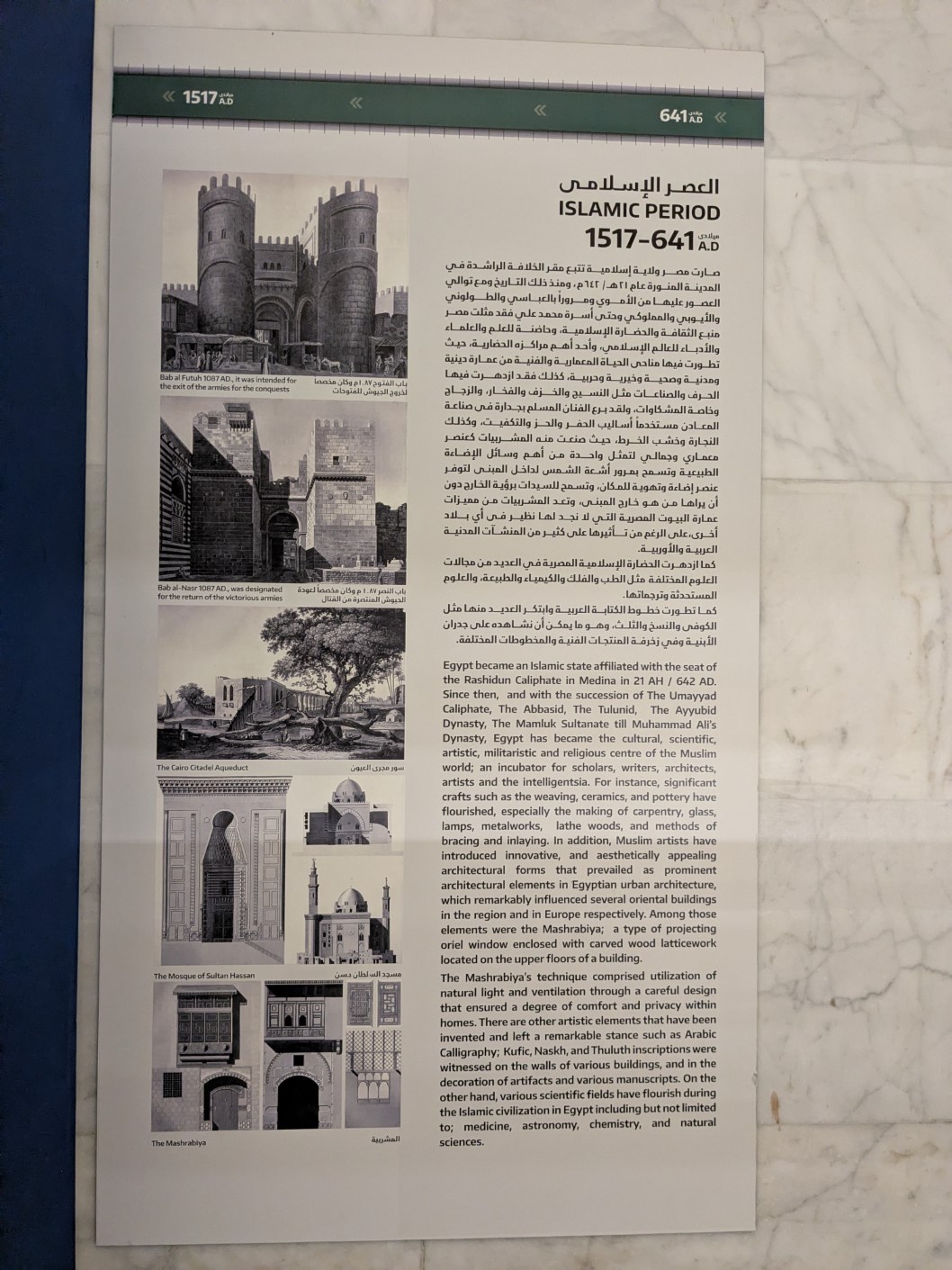
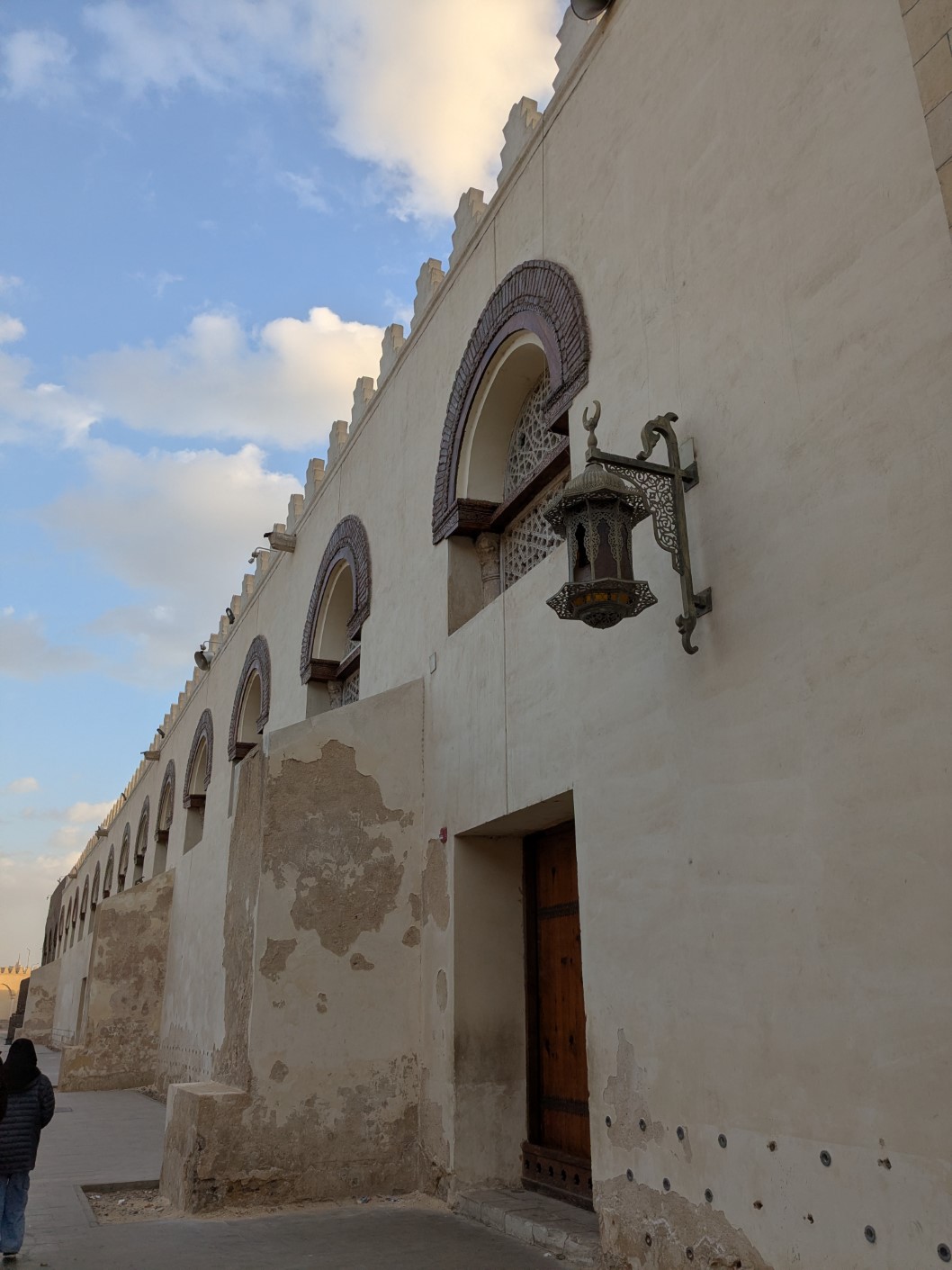
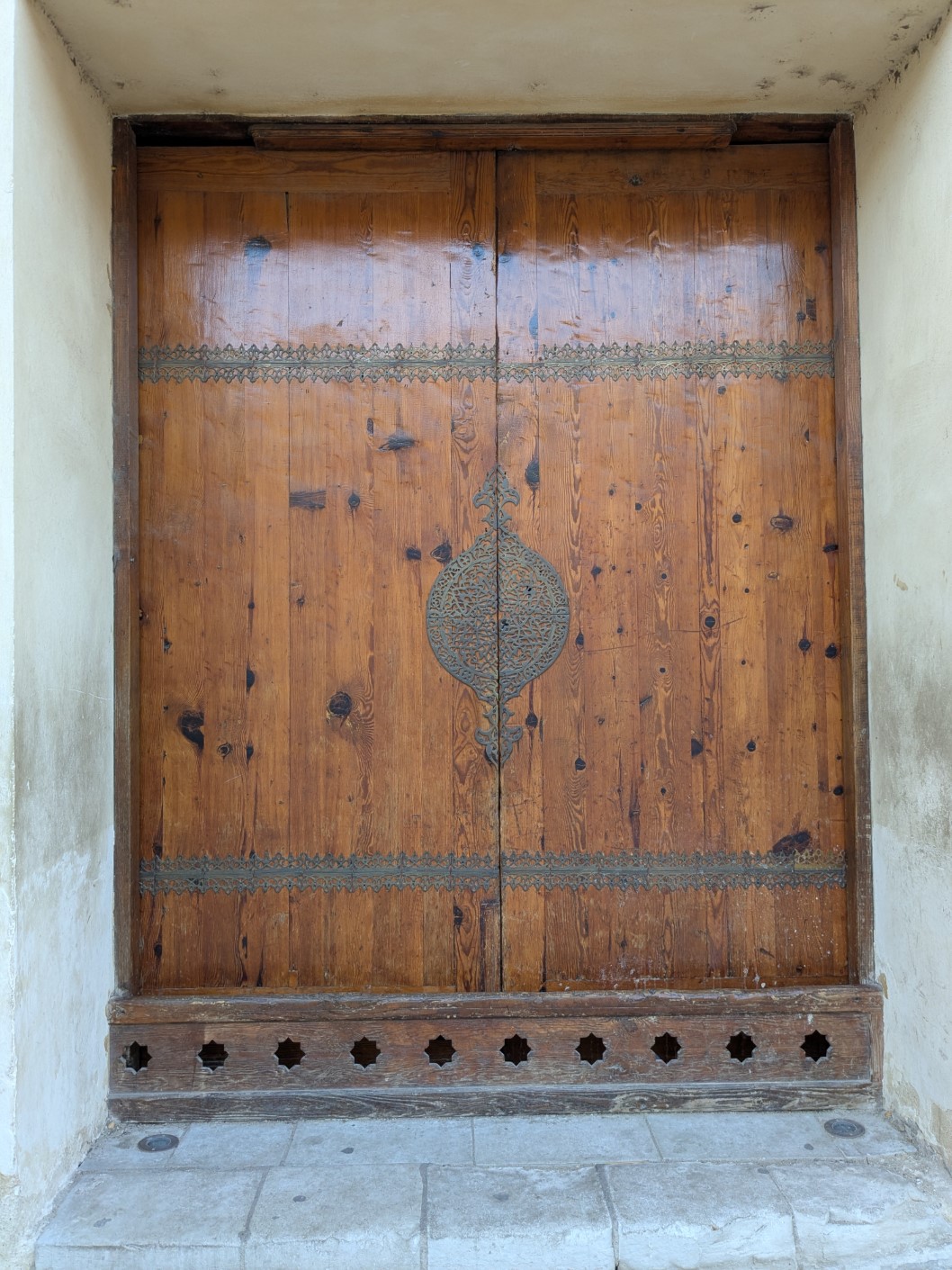
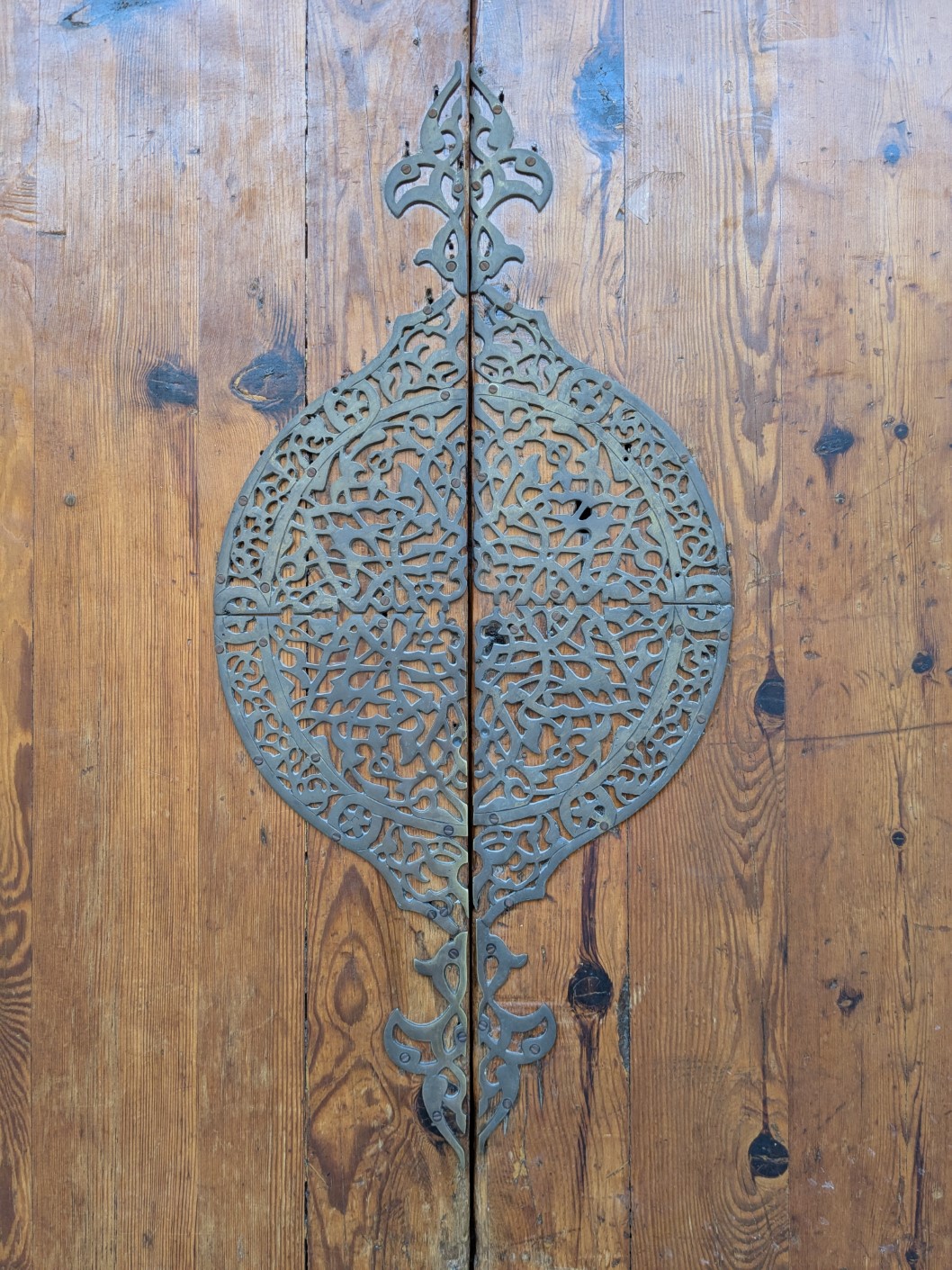
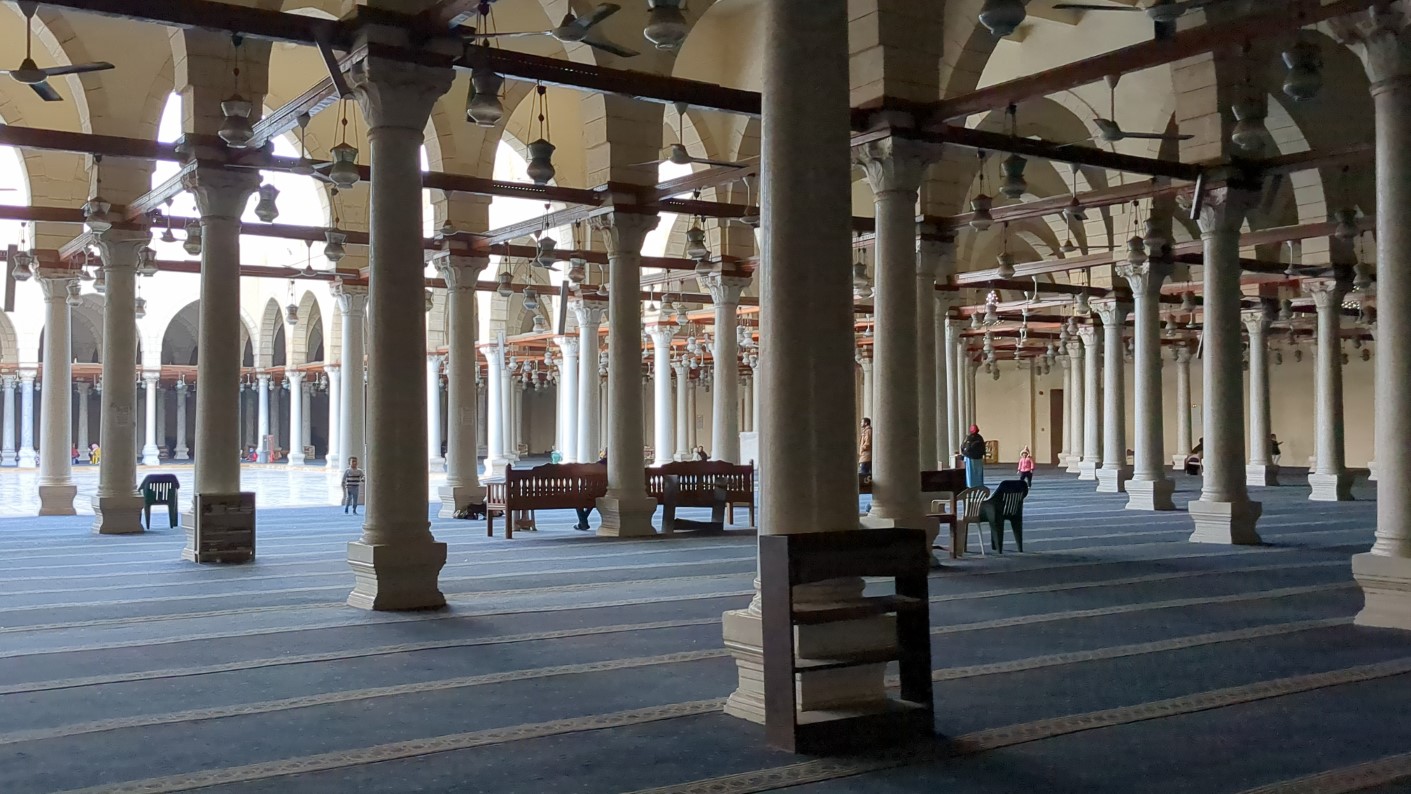
We then moved on to one of the first mosques in Africa (established in 641 CE) – that of Amr bin ‘Aas (Allah be pleased with him) – who served as governor of Egypt, and a companion of the Prophet Muhammad (peace be upon him). Back in November 2011, I’d instantly fallen in love with the place on our very brief visit to it after Hajj. The layout and mood had instantly transported me back to Madinah (my favourite place on earth), and I’d wanted to go back for all the years since. We got to spend a fair amount of time there, including the sunset prayer, and I was even approached by a Tunisian man who believed I was his countryman (another throwback to Hajj, where people of different nationalities often approach you for conversations).
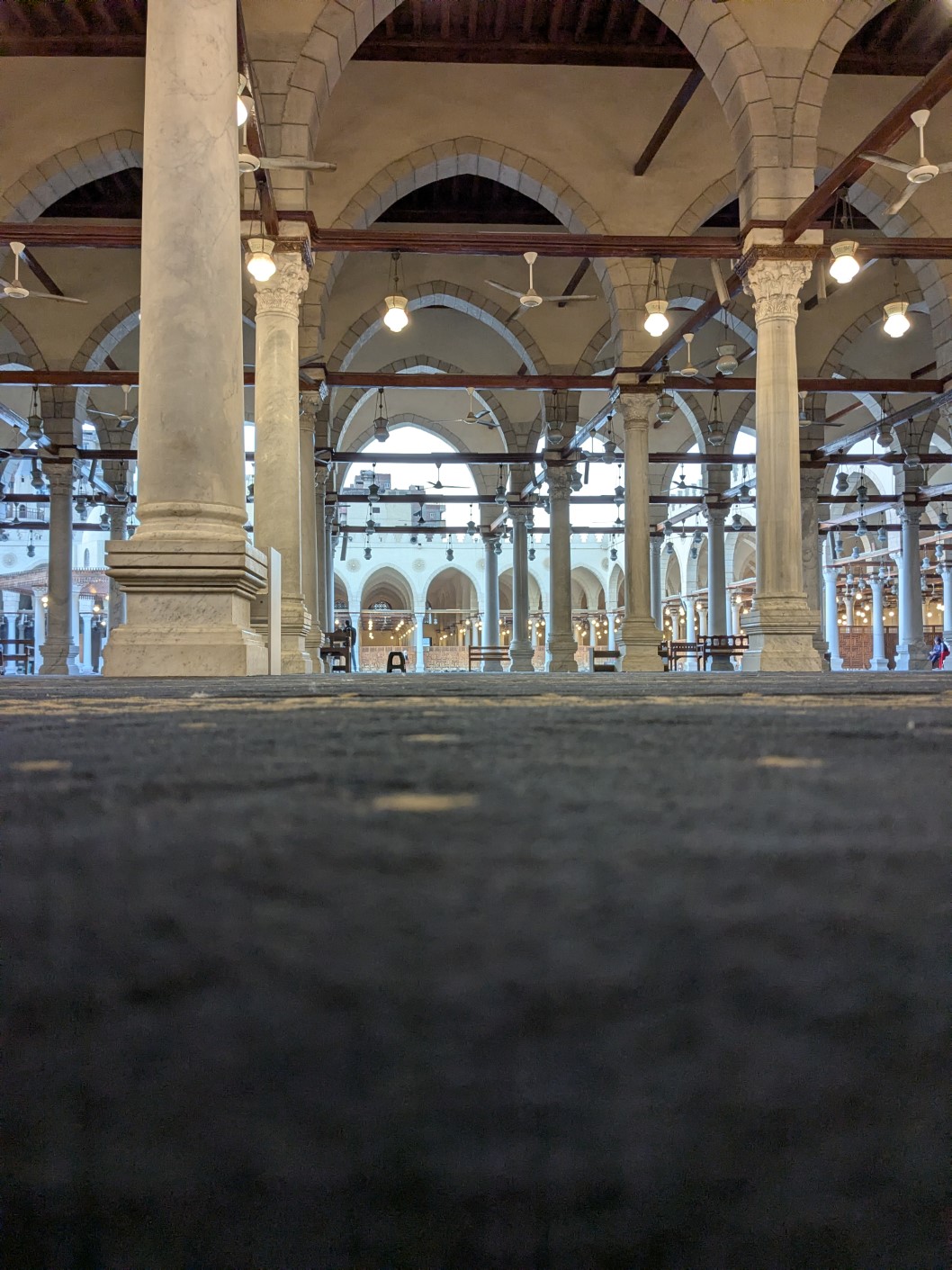
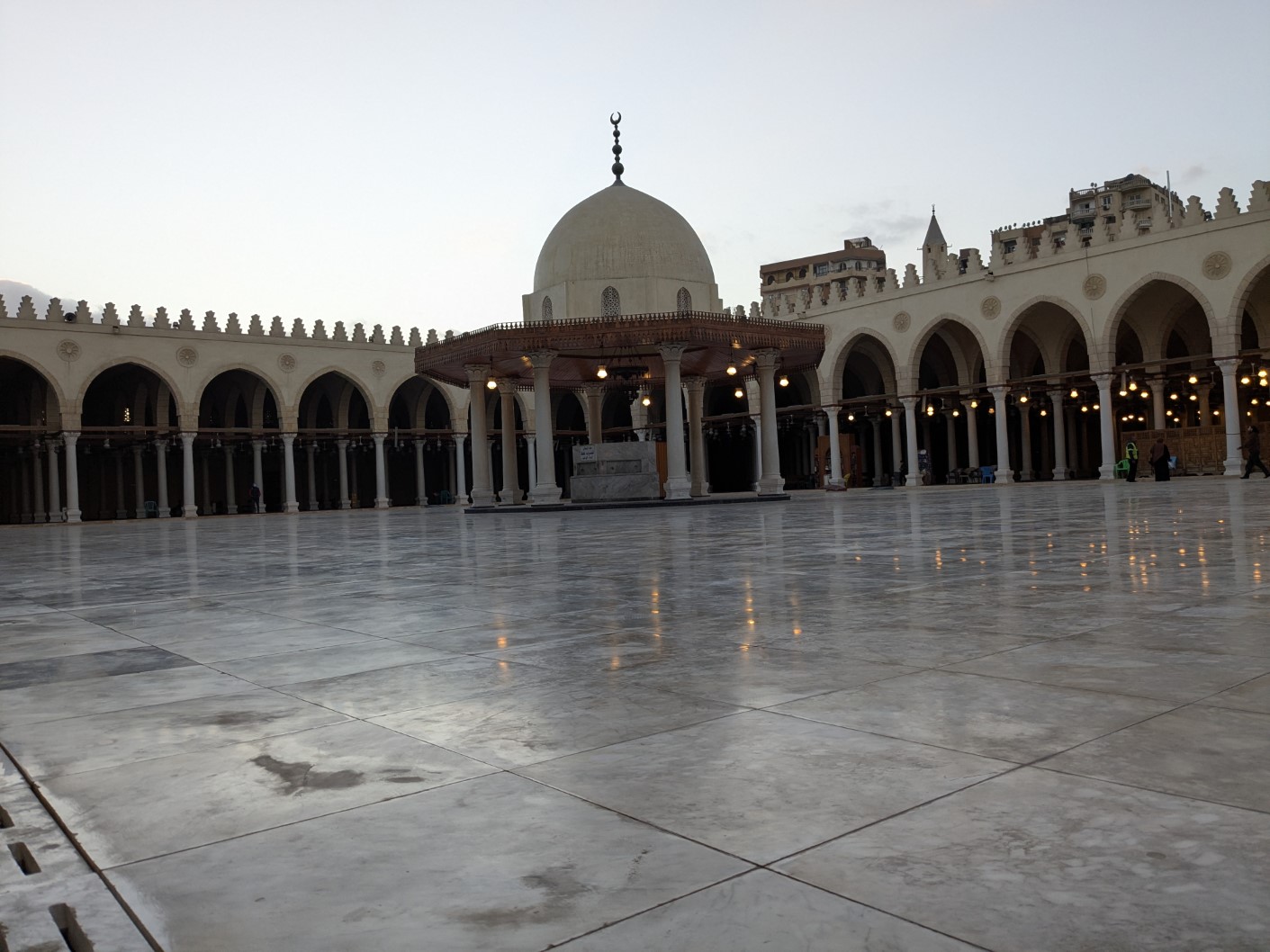
Other sites we drove past (but didn’t visit) that day included the place where Prophet Jesus (peace be upon him – as a child) and his mother lived in Cairo while hiding from the authorities. Our driver / informal tour guide also took us past the president’s luxurious residence, the place where former president Anwar Sadat was assassinated, and the old zoo, which is currently closed for renovations. I’d visited it in 1997 and been shocked to see dogs in the cages. The new version, set to open this year, is supposed to be far better than the one we saw back then (and hopefully without the dogs).
It ends
The following day, we headed to the airport in the early afternoon, and I attempted to change the last of our Egyptian pounds back to US dollars. The attendant in the foreign exchange booth told me to “come back one hour” – the third time I’d heard it in Cairo (none of my attempts were ever successful). Later, I felt sorry as I watched another unfortunate traveller standing at this booth, being ignored as he frantically worked inside without so much as an acknowledgement of the person waiting. (She eventually left, empty handed.)
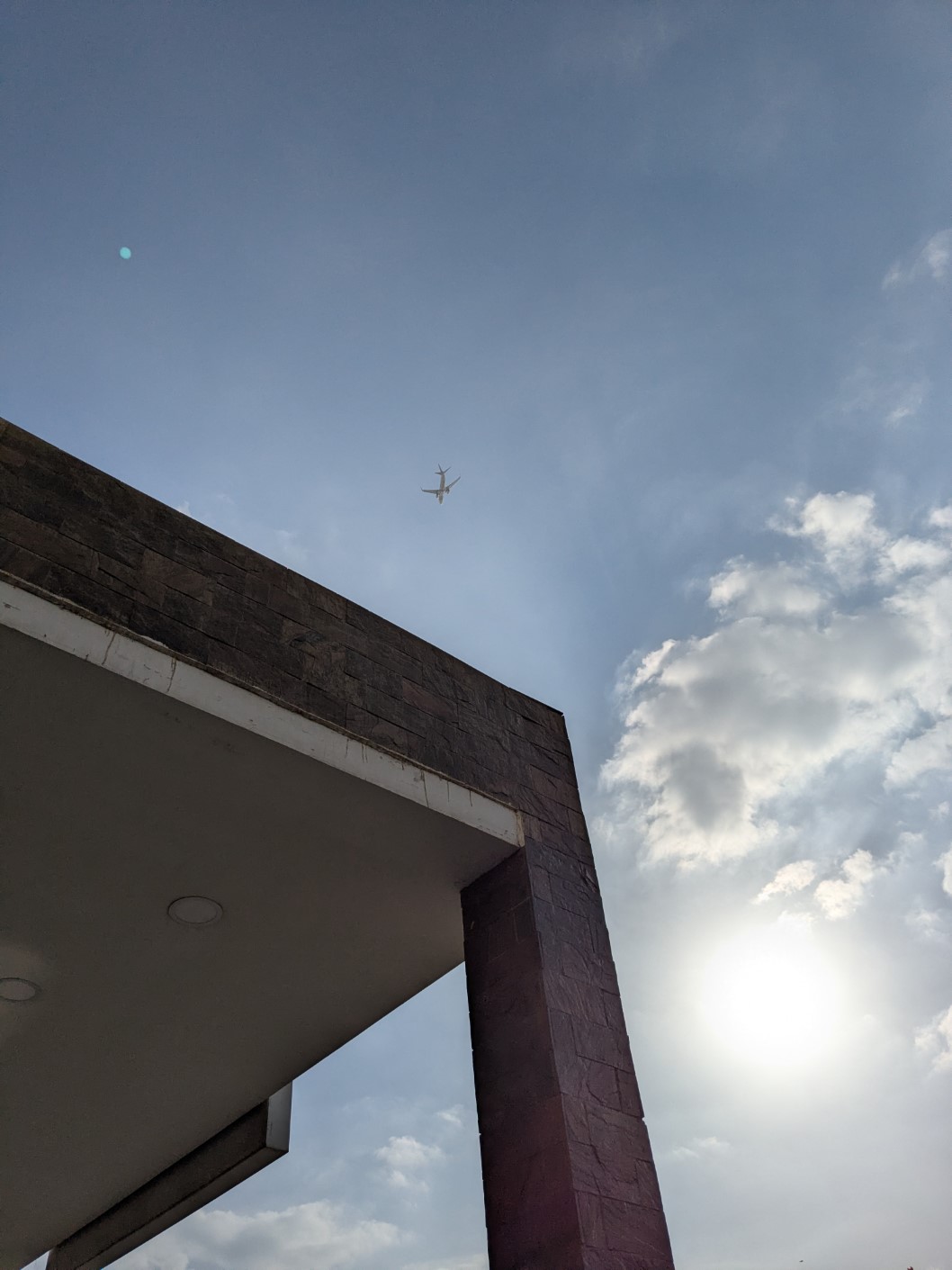
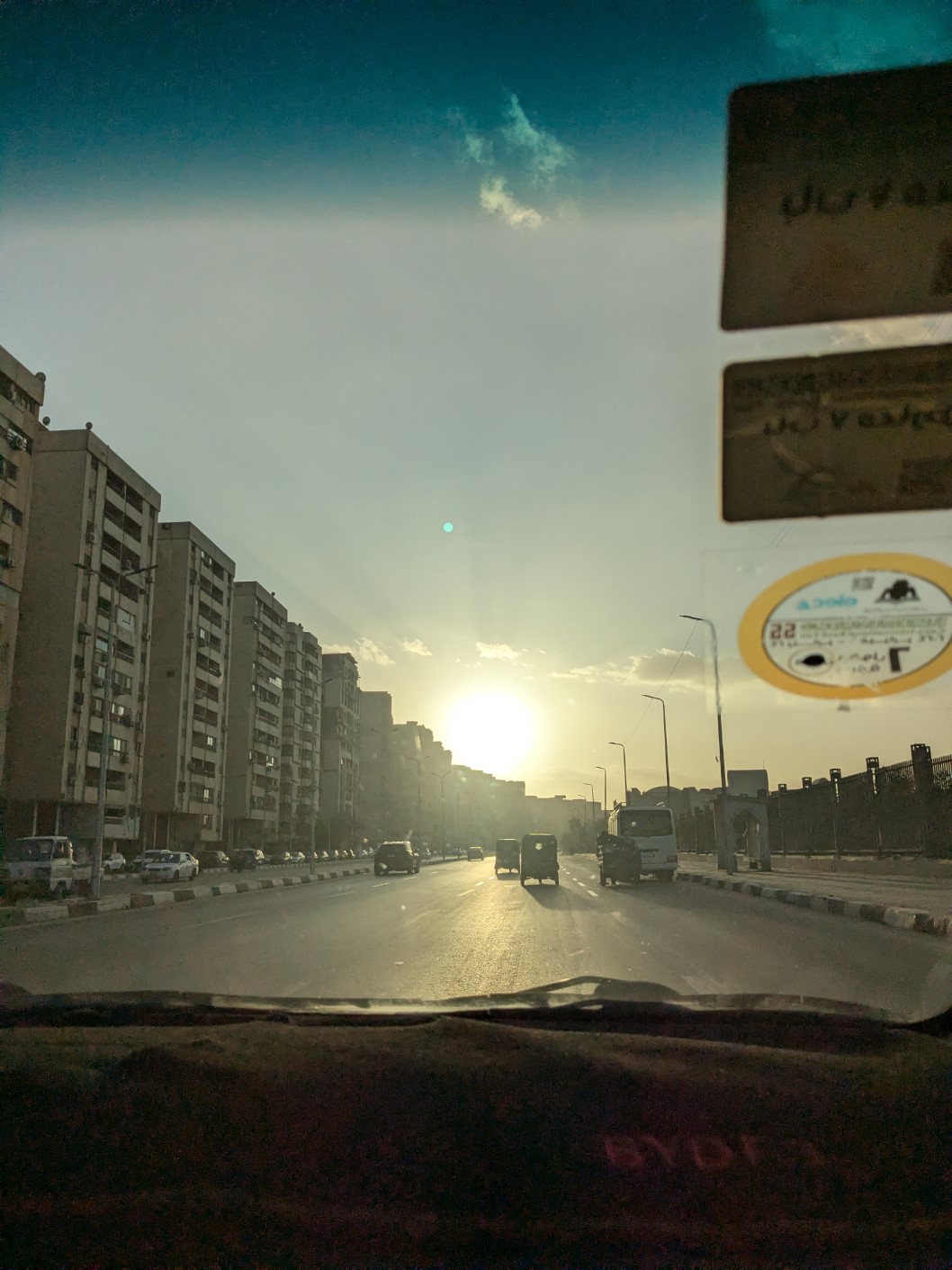
As we moved through immigration, I noticed the gentle glint of the now-descending sun – a fitting final vision of the outside world as we prepared to leave the country, and our holiday, and head back into the cauldron that is the working / school year…another 11-month slog until summer holidays return.
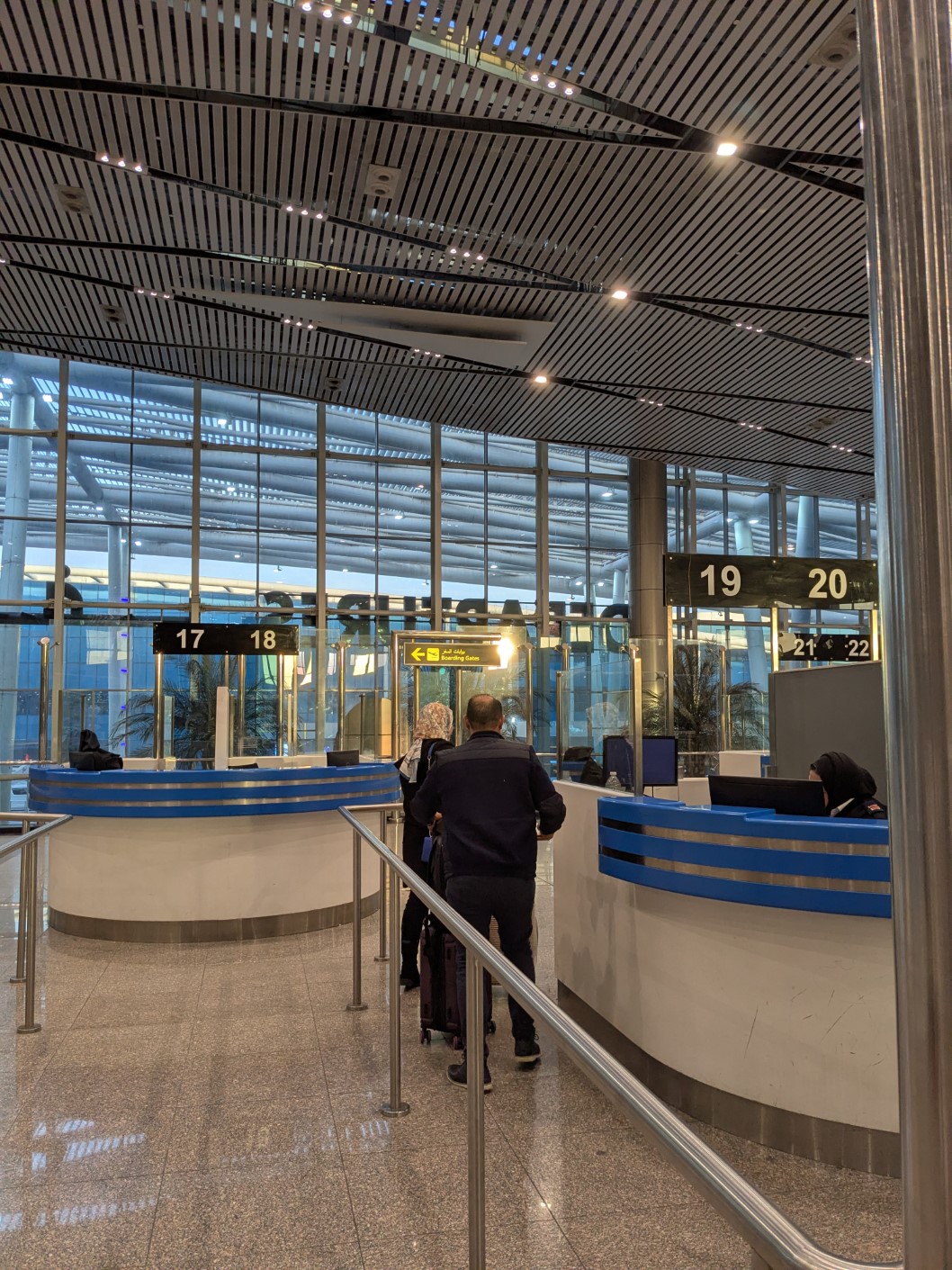
Getting through security checks at airports is always a tense affair, but in Egypt – where officials can be especially scary – the fear is multiplied. My older daughter – who dreams of becoming an archaeologist – had collected various mementos from the sites we’d visited, including stones and sand. Unfortunately, in her zeal, she’d taken much more than necessary, and unwisely decided to pack it all in her hand luggage. As she went through the final security scan, her backpack was picked up as containing suspicious materials. It was searched, with the official even smelling the contents – believing they may be drugs or worse. My wife explained what was in the bag, but he confiscated the materials anyway, saying taking it out of the country was not allowed. The experience devastated my daughter, and it took a long while for her anxiety to descend. Though the experience was unpleasant, it was a valuable lesson for her in the sensitivities of international travel, and hopefully she won’t make that mistake again. (She did manage to bring some Nile water home, though, in small containers in our checked-in luggage, so all was not lost.)
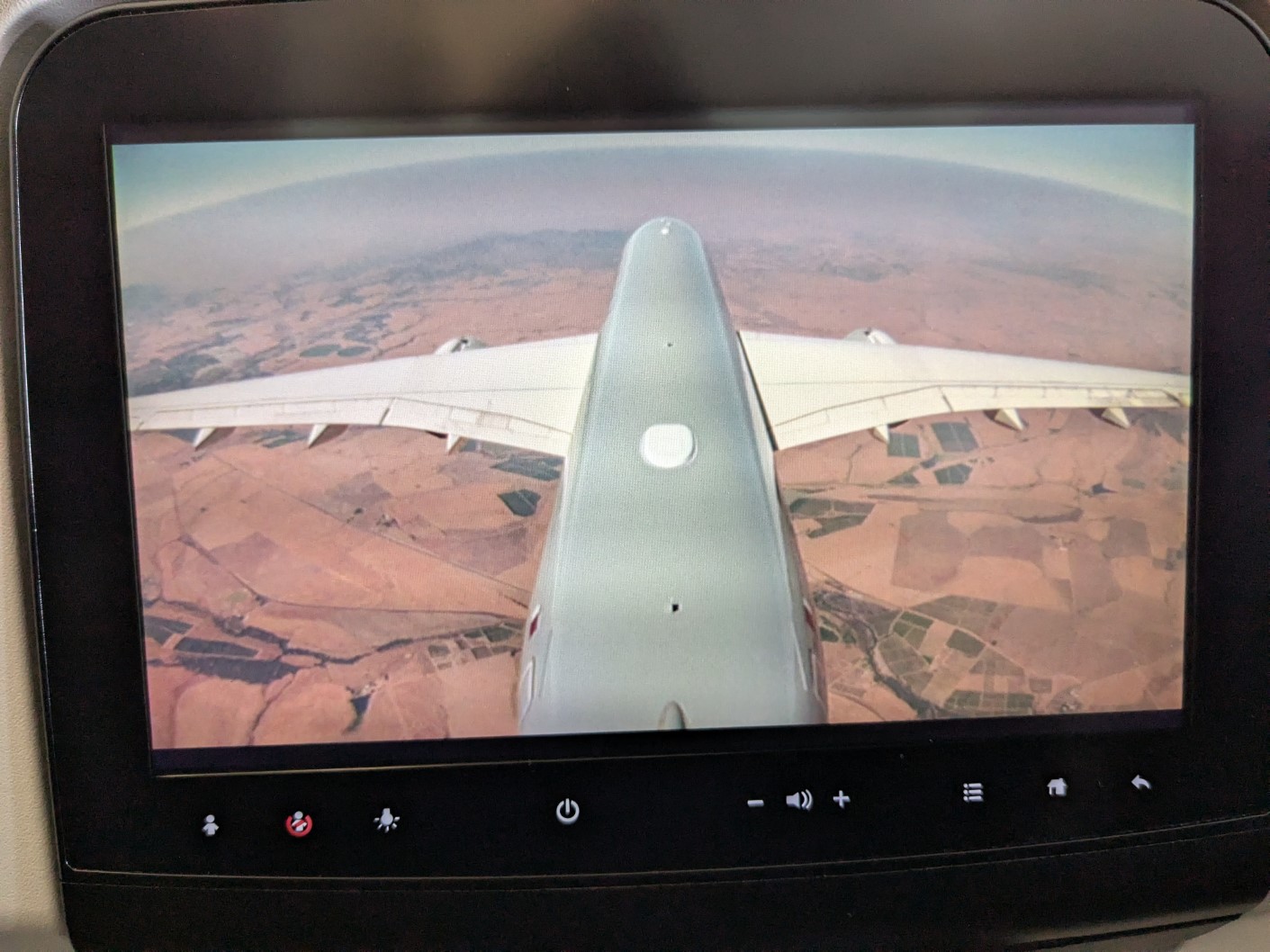
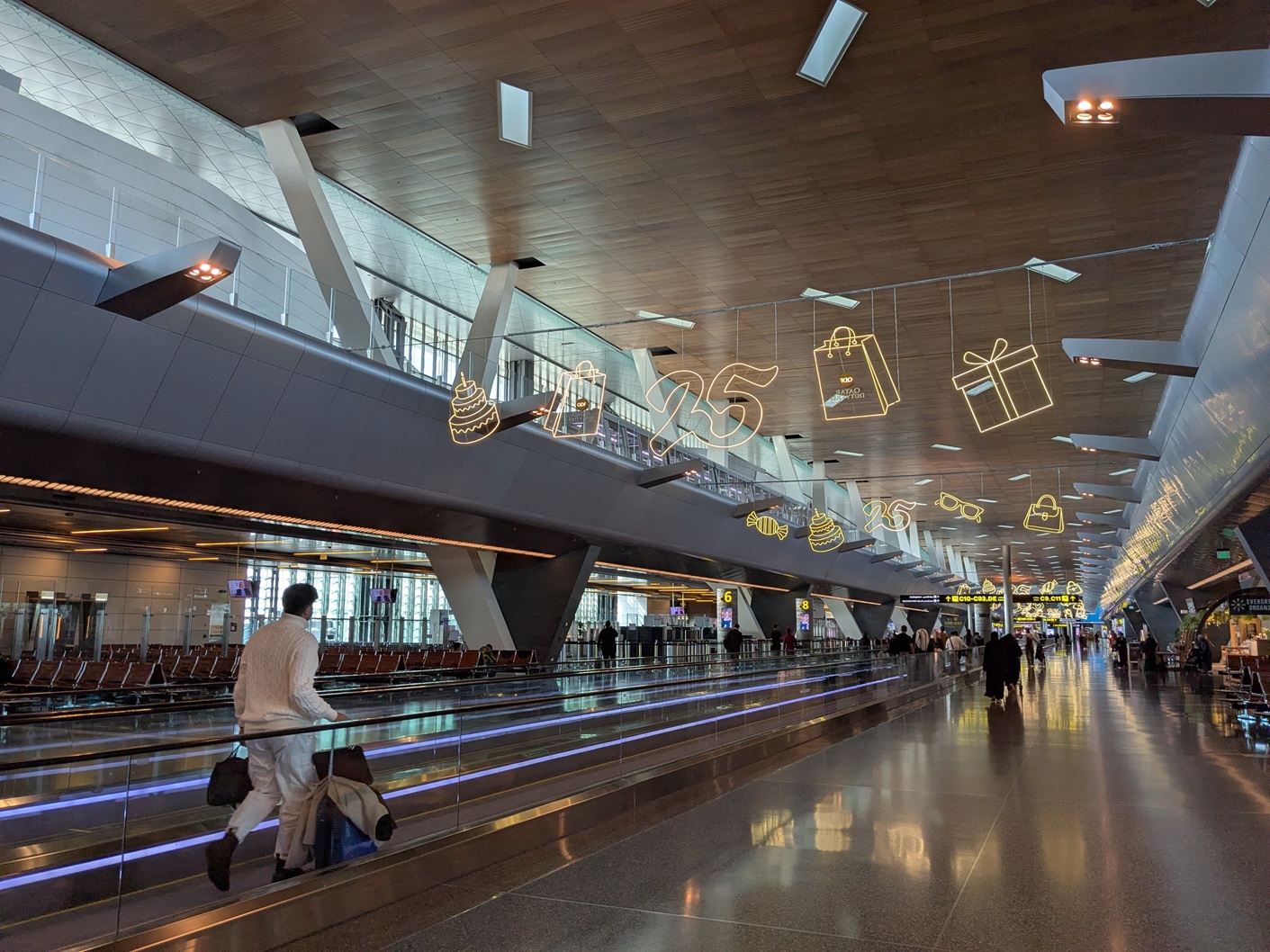
Eventually, we boarded our flight to Doha, before landing there just before midnight. We didn’t have very long to wait at the airport, before boarding our final flight – which departed at 1:40 a.m. Neither flight was comfortable – especially with the air hostess periodically bumping me on the second flight. That flight also included a weirdly-timed 2 a.m. serving of a chicken curry meal, which none of us took. It was frustrating to only get short naps in, but the kids slept well (as they tended to on most flights), and were suitably energised by the time we got home, unlike their exhausted parents.
The good, the bad, and what lies beneath
This trip really was a tale of two very different cities. Doha was a fantastic place to visit: clean, modern, opulent, orderly, and immaculately-maintained. It’s a great experience with a lot to do (well, for a few days, at least), but can feel artificial at times.
Cairo, on the other hand, was dusty and dilapidated, with many deliberately unfinished buildings (as a means of avoiding property tax), and roads that can be described as ‘organised chaos’ – both for drivers and pedestrians. But the city is dripping with history, and the character of the place and people jumped out at me.
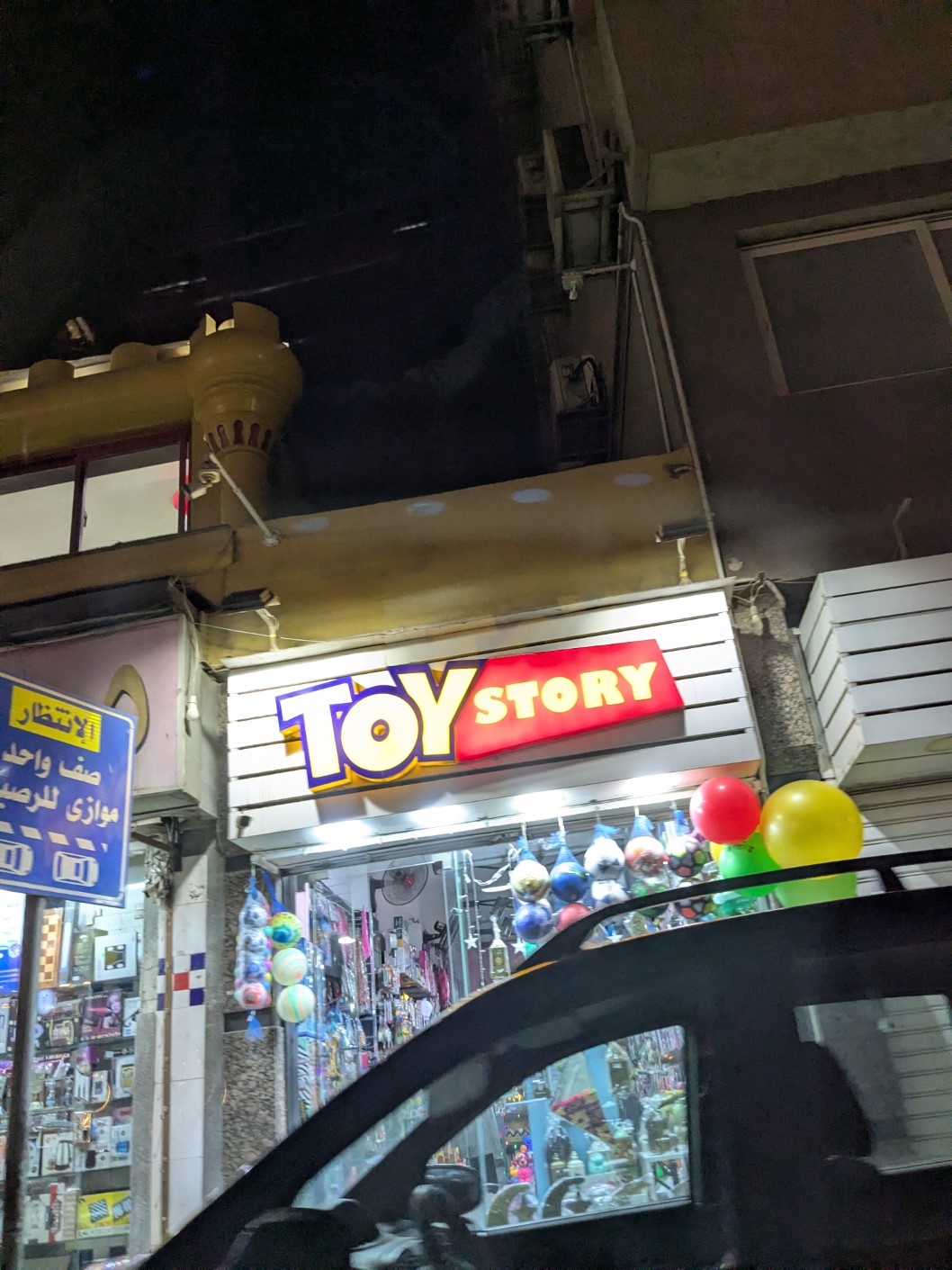
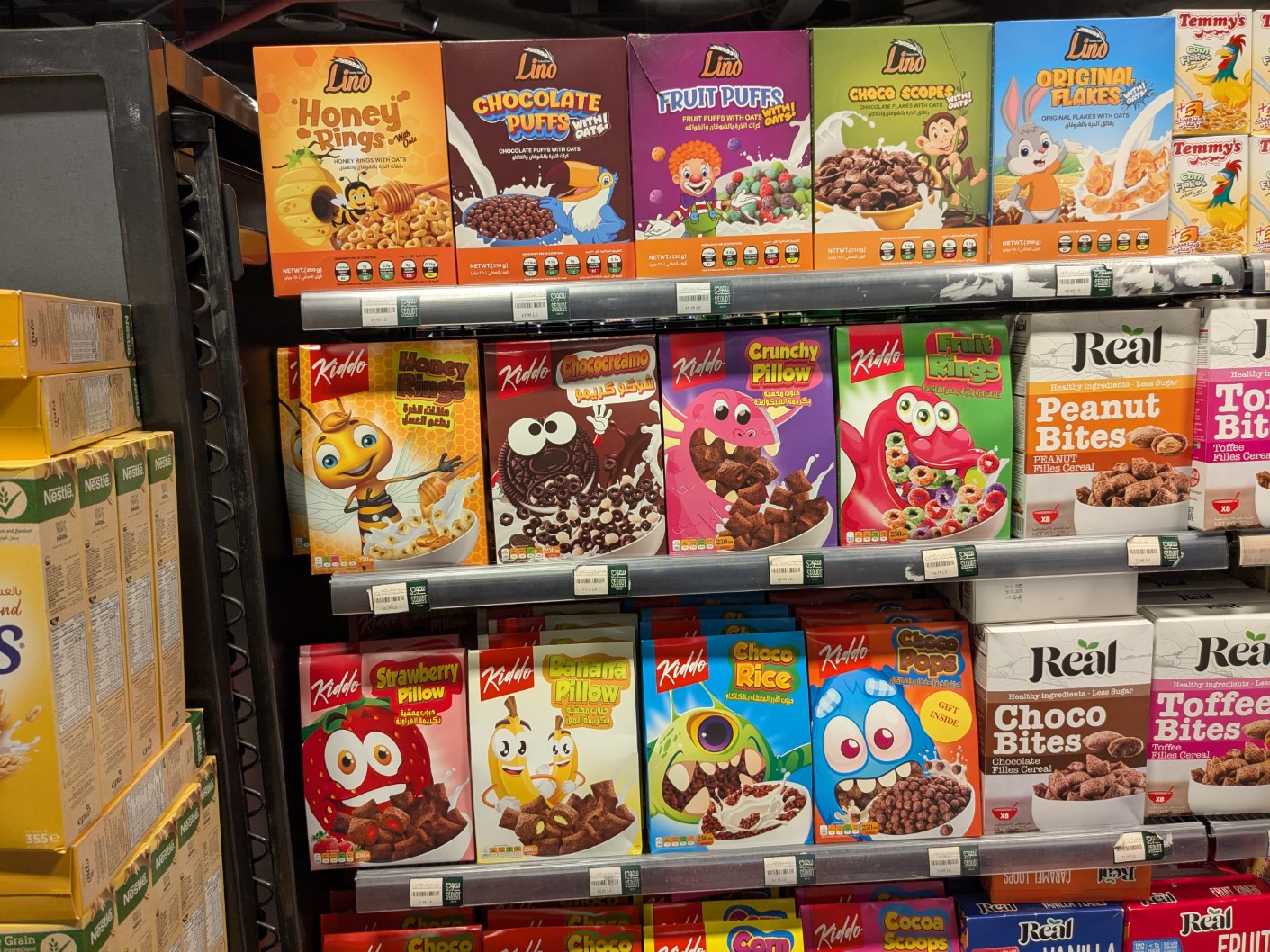
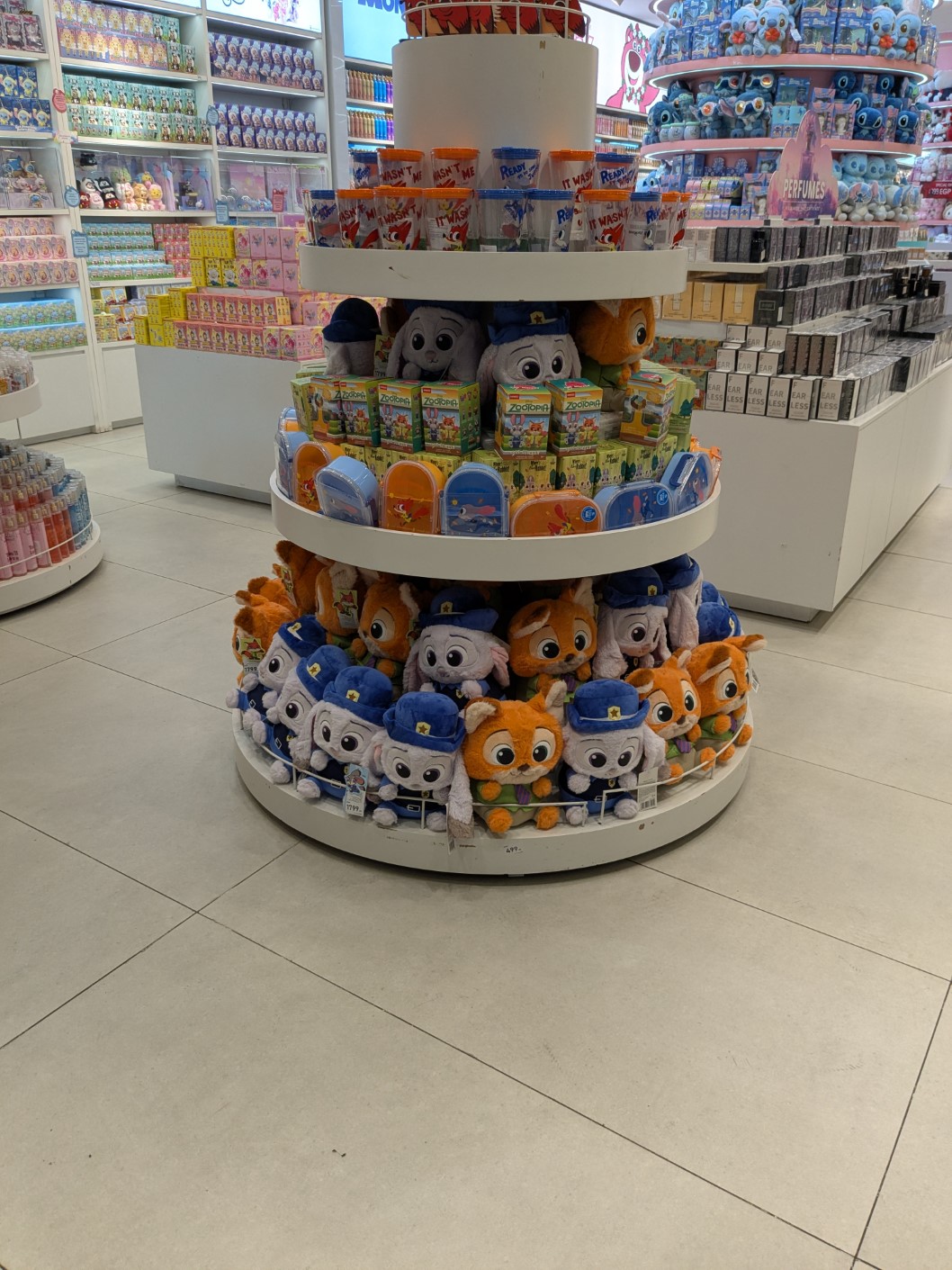
What’s common in both places is the effects of globalisation, with some of the malls and stores looking and feeling exactly like the shops we have back home in South Africa.
Another similarity is the visible nationalism, with flags common, and pictures of the rulers in frequent sight. I suspect much of this is more forced than done freely, because such displays are commonplace in authoritarian regimes, reminding the masses of who to fear.
In Egypt, in particular, the president’s image pops up all over the place – perhaps a modern-day version of the statues that the pharaohs built as tributes to themselves.
And while Doha is a fantastic example of a modern destination, I can’t help but feel sorry for a large portion of the population. Of the 2.5 million people in Qatar, only 12% are locals. The rest are all expats. Many work in white collar industries, but a huge portion of them do the menial jobs like driving and cleaning. Most seem to be from poorer countries – mostly the Indian sub-continent and Africa.
While there’s no personal income tax in the country, for this group, their wages are low, so it feels like they are effectively a servant class looking after the rich and tourists. You get a sense of hierarchy based on ethnicity / racial origin, even though most of these workers are Muslim in an Islamic country. This, of course, is against the teachings of Islam. In Prophet Muhammad (peace be upon him)’s famous last sermon, he told us:
“All mankind is from Adam and Eve. An Arab has no superiority over a non-Arab nor a non-Arab has any superiority over an Arab; also a white has no superiority over black nor does a black have any superiority over a white, except by piety and good action. Learn that every Muslim is a brother to every Muslim and that the Muslims constitute one brotherhood.”
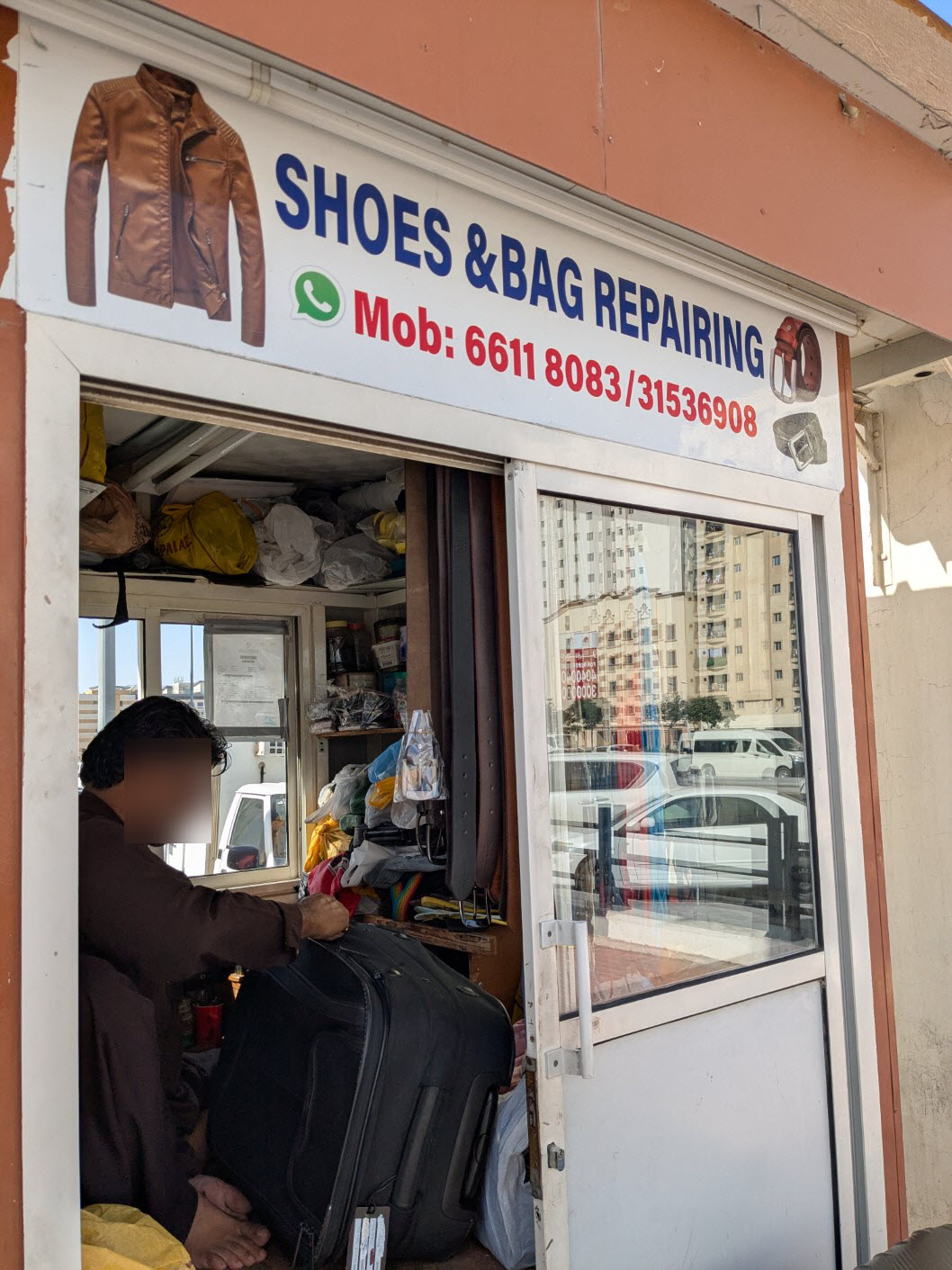
We witnessed the hierarchy first hand one day when we took a suitcase zip to be repaired at a Pakistani man who sits in his booth all day, repairing shoes and luggage. He started on our suitcase, but when an Arab man came to get his sandals polished, he promptly paused our work to do the man’s job, before finishing ours afterwards. No explanation given. But we figured it out.
Travel is a microcosm of life
Before we left, I’d craved a restful, relaxing holiday after what had been a heavy year. I knew this trip wouldn’t have that effect, and I was proven right: this wasn’t a comfortable holiday, given that we moved around so frequently and saw and did so much. But it was a wonderful experience – far better than resting. Especially for our kids, who hadn’t experienced the people, culture, and lifestyle of the places we visited.
We visited Muslim lands – a first for them – and it was beautiful to be immersed in places where we’d hear the Quran wherever we went (even in high-end shops in malls), the athaan rang out five times a day, and there were mosques wherever we looked (in the cities and towns, at least). Coming from a Western country, and having only ever visited other Western countries, it was critical for the kids to be amongst so many fellow Muslims. To feel safe within entire countries where they weren’t the ‘other’.
It was also good for them to be exposed to the poverty of Egypt, seeing a side of life which – back home – is usually limited to townships and rural areas we don’t often see.
I developed a special fondness for the Egyptian people, in particular. The harassment to buy things can be annoying, and the tipping culture can be tiring, but we understood that these are the results of the economic desperation impacting so many of them. They can sometimes come across as rough, but that’s a common characteristic of the Arab world, likely conditioned by their environment and harsh desert history – very different to Western contexts. But Egyptians are warm and kind, and are a proud, friendly, jovial people. Yes, there are some deceptive ones – like those who scam tourists – but there are bad apples in every society.
These are people whose lands were colonised and pillaged. For thousands of years, they’ve lived under the tyranny of pharaohs, kings, and more recently, military rulers, yet still they survive. Their 2011 revolution – which gave hope to so many – was cut brutally short, and their economy was destroyed by both those events and later COVID. But still they carry on with their smiles and laughs – their resilience – through hardship and poverty.
And perhaps most of them will never see material prosperity and comfort in this world, but as Muslims – as people of the Quran – they know that this world is but a temporary stay, and the Hereafter is where real life begins. And, of course, the downtrodden in this world are the VIPs of Paradise.
That bigger picture is something that we always need to bear in mind, even though it can be difficult as we get caught up in the details of our lives.
In the end, no matter where we are – whether the opulence of Doha, or the griminess of Egypt – we have to remember that everything is temporary. Only God remains.
So, just as we travel to other countries and experience different cultures, sights, and sounds for short periods, we must remember that in existential terms, we are also just travellers – only passing through this world on our way to the eternal Hereafter. So, we shouldn’t get too attached to the material world, but should put a higher focus on the only things we can actually take with us into the next realm: our deeds.
All posts in the series are available at this link.
Additional travel-related series are available here.
 slip-sliding away.....
What a powerful adventure, Yacoob, especially for the children, though I’m sorry your daughter’s treasures were confiscated.
I’d be ready for bed to sleep for a couple days after all that!
And I’d love to hear why Madinah is your favorite place on earth.
Thanks, Kitty. I actually only got a proper, long sleep a week later, but it was well worth it 🙂 Madinah was our first stop on our Hajj in 2011, and more than anything, the sheer tranquility of the place was what I fell in love with. It just felt so utterly peaceful – like a natural home for my soul. I explained it earlier in the Hajj series here: https://dreamlife.page/2023/05/26/hajj-chronicles-revisited-part-5-a-little-piece-of-heaven/
You made me long for Amr bin Aas mosque. Its courtyard looks just like the one between Rumi’s mausoleum and Mosque Selimiye. Also, despite being Ottoman in style, the Pasha mosque seems to have a personality of its own. Enjoyed reading your reflections on equality, globalisation – it felt your maxim in this travel was سیرو فی الارض